
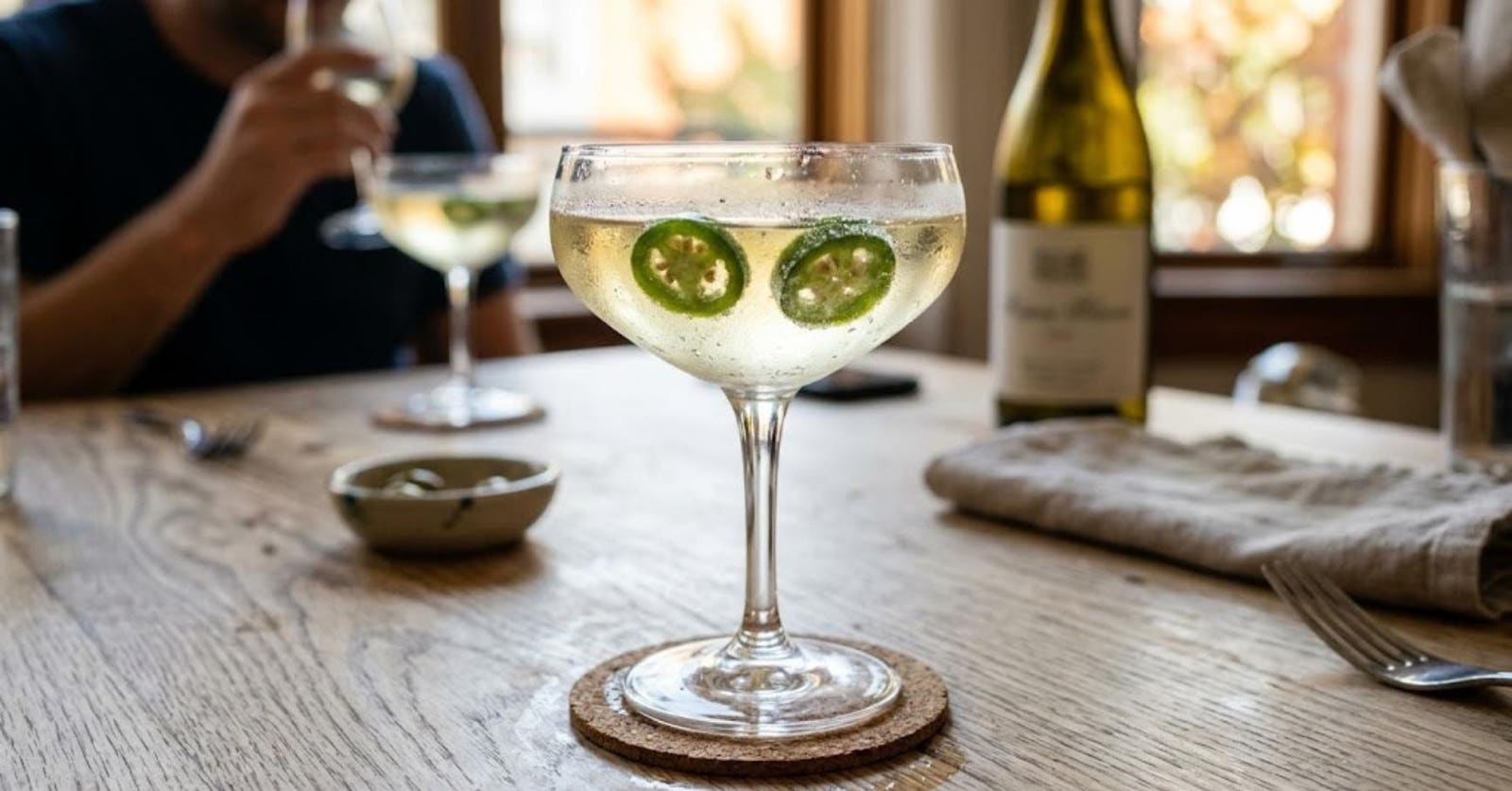
Jalapeño Sauvignon Blanc turns crisp white wine into a spicy, summer-ready drink with almost no effort.
Getty
This summer’s most unlikely wine trend does not involve a rare bottle or a complicated spritz. It is a cold glass of Sauvignon Blanc with frozen jalapeño slices floating in it. The Jalapeño Sauvignon Blanc, often called Spicy Sauvy B, looks like a dare. Pale white wine. Bright green pepper coins. Condensation on the glass.
The recipe is almost too simple. Pour the wine. Drop in two or three frozen jalapeño rounds. Wait a minute. Sip.
Its staying power now looks bigger than the average viral drink stunt. Invivo X, SJP, the wine brand from Sarah Jessica Parker and New Zealand’s Invivo Winery, is launching a Spicy Jalapeño White Wine made from Sauvignon Blanc for summer 2026. The brand says the bottle was inspired by the viral jalapeño and Sauvignon Blanc trend, moving the idea from a DIY garnish into a commercial wine product.
Invivo co-founder and winemaker Rob Cameron makes the internet-to-product connection explicit. “We saw the internet adding jalapeños to Sauvignon Blanc and knew immediately we had to create the real thing,” Cameron says. He describes the wine as bold, refreshing, spicy and made for people who do not want to overthink their wine.
The trend is also showing up in more polished drink formats. Better Homes & Gardens’ 2026 Drink of Summer contenders include a Mango-Jalapeño Sauv Spritz, made with Sauvignon Blanc, mango, jalapeño and sparkling water. The choice fits several drink signals already shaping summer menus, including tropical flavors, bubbly citrus-forward pours, lower-ABV options and ice-heavy refreshment.
Why Jalapeño Sauvignon Blanc Works
Jalapeños in wine may sound unhinged, but Sauvignon Blanc is probably the white wine best built for the experiment.
A good Sauvignon Blanc is already sharp, aromatic and green. Depending on where it is grown, it can taste like grapefruit, lime, passion fruit, fresh herbs, grass, asparagus or green pepper. Maureen Petrosky, author of Wine Club, points to Sauvignon Blanc’s naturally green aroma profile as the reason the pairing works. “Pyrazines are elements naturally found in the skin and seeds of grapes that lend green bell pepper, grassy, and vegetal aromas to wine, especially sauvignon blancs.”
The pepper adds heat, but it also adds freshness. Its green, savory snap plays well against Sauvignon Blanc’s acidity, making the wine feel brighter rather than heavier.
The 2026 Upgrade
The original version is pretty simple. Sauvignon Blanc plus frozen jalapeño. The next wave is more flexible.
A bottled spicy Sauvignon Blanc gives the trend retail potential. A mango-jalapeño spritz gives it a more polished party format. The frozen-jalapeño version remains the easiest entry point, but the idea is expanding. Wine Industry Advisor reported that Invivo X, SJP sales rose 22% over the prior 26 weeks and 44% over the prior four weeks in the U.S., according to Nielsen data cited by the brand.
The drink feels current because it checks several boxes at once. Low effort. Lower alcohol than a spirit-based cocktail. Spicy. Refreshing. Visual. Customizable.
How To Make Jalapeño Sauvignon Blanc
You need chilled Sauvignon Blanc, two or three frozen jalapeño slices and one to three minutes of patience.
Start by slicing one fresh jalapeño into thin rounds. For less heat, remove most of the seeds and white membrane. Freeze the slices on a small tray or plate, then transfer them to a bag or container once solid.
When you are ready to serve, pour a cold glass of Sauvignon Blanc and add two or three frozen jalapeño slices. Let the wine sit for one to three minutes before tasting. Add another slice if you want more spice. Remove the peppers once the heat tastes right.
Do not skip the removal step. Jalapeño keeps infusing as it sits, and the heat can build quickly.
For a brighter version, add lime. For a fruitier version, add frozen pineapple or mango. For a spritz, top the glass with sparkling water.
I Tried It Three Ways
Two frozen jalapeño slices – This is the best entry point. The wine still tastes like Sauvignon Blanc. It stays cold, citrusy and bright, with a faint green aroma and a mild tingle at the finish. Serve this version to guests who are curious but not spice obsessives.
Four frozen jalapeño slices – The drink starts to feel more cocktail-like. The pepper becomes obvious after a few minutes, and the finish turns warmer and more savory. A squeeze of lime works well here because it nudges the drink toward spicy margarita territory.
Six frozen jalapeño slices – This is for people who order spicy margaritas and ask for extra jalapeño. It is fun for a sip or two, but it can overwhelm the wine quickly.
The sweet spot is two or three slices, tasted early and adjusted slowly. The best version should still taste like Sauvignon Blanc.
Why Frozen Jalapeños Work Best
Fresh jalapeño slices work, but frozen slices make the drink easier to control. Think of frozen jalapeños as spicy ice cubes.
They chill the wine slightly, release flavor gradually and look cleaner in the glass. They also turn the drink into something you can prep once and serve all week. Slice a few peppers, freeze them and you have instant spicy wine garnishes ready for any patio dinner or last-minute gathering.
Muddled jalapeño is riskier because it can make the wine taste raw and aggressively hot. Pickled jalapeños bring vinegar and brine, which can be interesting, but they quickly turn the drink into something else entirely.
What Bottle Should You Use?
The best bottle for jalapeño Sauvignon Blanc is crisp, bright and affordable. Look for citrus, tropical fruit or green-herb notes. New Zealand Sauvignon Blanc is an obvious choice because many bottles are aromatic, high-acid and expressive. Chilean Sauvignon Blanc can also work well, especially if it has a green-pepper snap. Loire Sauvignon Blanc can be excellent too, though some bottles are more mineral and restrained, so use a lighter hand with the jalapeño.
Use wine you would already serve in the summer. If it tastes refreshing cold, it can probably handle a little heat.
The Mistakes That Ruin It
The first mistake is adding too much jalapeño too soon. A single pepper can vary wildly in heat, and spice builds as it sits.
The second mistake is leaving the slices in too long. This is not sangria. Remove the jalapeño once the heat tastes right.
The third mistake is using wine that is not cold enough. The colder the wine, the cleaner the spice feels.
The fourth mistake is using a wine that is too precious. This is the wine equivalent of making a mimosa with a $2,000 bottle of Champagne. The jalapeño is going to change the glass, so save the special bottle and use a crisp, affordable Sauvignon Blanc instead.
The fifth mistake is serving without warning people. Spicy wine is fun when guests opt in. It is less fun when someone takes a big sip expecting a normal Sauvignon Blanc and gets ambushed.
Frequently Asked Questions (FAQs)
What does jalapeño Sauvignon Blanc taste like?
It tastes crisp, citrusy and lightly spicy, with a green, savory finish. The best versions still taste like Sauvignon Blanc, just with a peppery edge.
Why does jalapeño work with Sauvignon Blanc?
Sauvignon Blanc often has green, grassy, herbaceous and pepper-like aromas. Jalapeño echoes those notes while adding heat and freshness.
Do you use fresh or frozen jalapeños?
Frozen jalapeño slices work best. They chill the wine, look clean in the glass and infuse more gradually than muddled or room-temperature peppers.
How long should jalapeños sit in wine?
Start with one to three minutes, then taste. Remove the slices once the heat level is pleasant.
The Bottom Line On Jalapeño Sauvignon Blanc
Jalapeño Sauvignon Blanc started as a viral wine hack, but its 2026 upgrade makes the trend more interesting. It is no longer just a weird glass of wine built for TikTok. It is consumer interest in drinks that are spicy, savory, low-effort, customizable and easy to serve at home. It has flavor logic, too. Sauvignon Blanc already leans green, citrusy and aromatic, while jalapeño adds the spicy, savory edge people love in modern cocktails. It is not trying to improve fine wine. It is trying to make a casual glass of summer white more fun with frozen jalapeños.
Dining and Cooking