

Cheese is usually associated with comfort food, whether it’s a slice of pizza, a grilled sandwich or a rich pasta dish. But there is one cheese that has earned a reputation unlike any other in the world. It is banned in many places, and is often described as the world’s most dangerous cheese. (Image: Pexels)

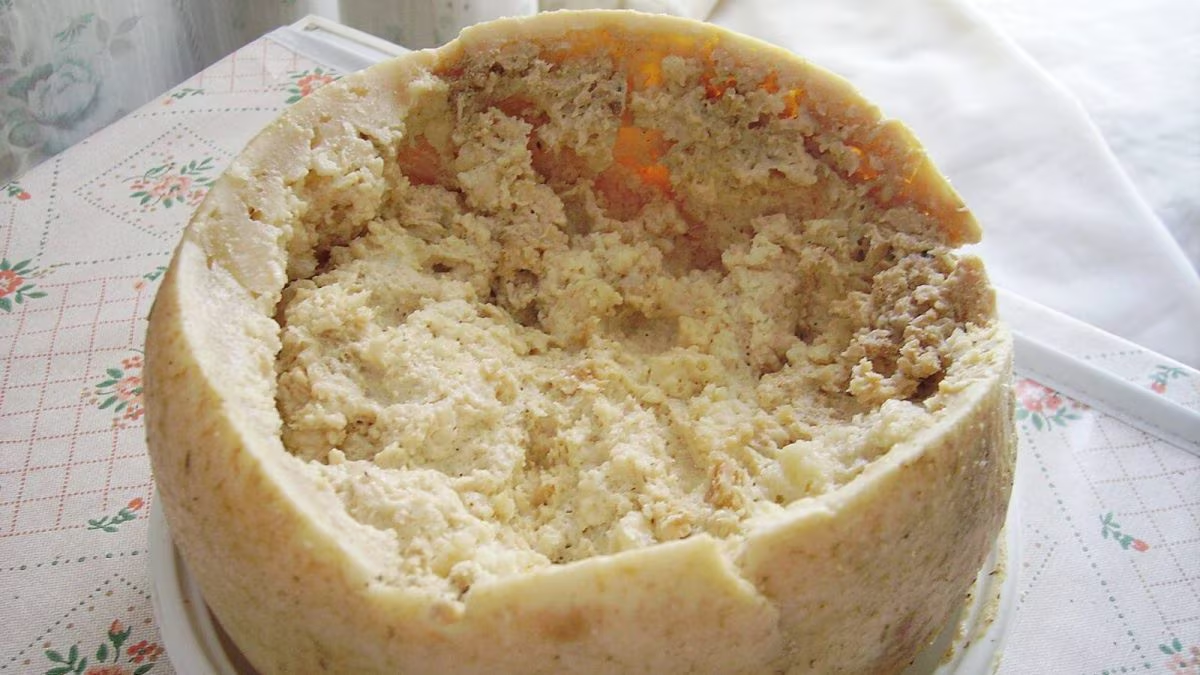
The cheese is called Casu Marzu, a traditional delicacy from the Italian island of Sardinia. To some, it is a treasured part of local culinary heritage. To others, it is one of the most shocking foods ever made. Casu Marzu is a Sardinian sheep’s milk cheese made by allowing maggots to break down the cheese. Its name literally means “rotten cheese” in the Sardinian language. The larvae digest the fats in the cheese, transforming it into a soft, creamy product with a very strong flavour and aroma. (Image: Wikimedia Commons)

Casu Marzu contains live maggots when it is served. These larvae can jump several inches when disturbed, and consuming food containing live insects may pose health risks if the cheese is improperly handled. In 2009, Guinness World Record labelled it as the world’s most dangerous cheese. (Image: Facebook/@Cook & Eat Like An Italian)

The process of making the world’s most dangerous cheese begins with Pecorino cheese. Cheesemakers cut open the rind and leave the cheese exposed so that the cheese fly, Piophila casei, can lay eggs inside. Once the eggs hatch, the larvae feed on the cheese for weeks, creating its distinctive texture. (Image: Wikimedia Commons)

People who have tried Casu Marzu describe it as intensely pungent, spicy and tangy. The texture is soft and creamy, with a liquid centre known as lagrima, meaning “tears.” Its flavour can linger for hours. (Image: CNN)

The main concern is hygiene and the possibility of digestive issues if the larvae survive after consumption. For this reason, food safety authorities in the European Union have restricted its commercial sale. However, locals who make and consume it traditionally consider it safe when prepared correctly. Casu Marzu is not typically sold in regular markets because it does not comply with modern food safety standards. Despite this, it continues to be produced on a small scale in Sardinia and is considered an important part of local culture. (Image: Facebook/@Archaeology & Civilizations)

For many Sardinians, Casu Marzu is a symbol of tradition and identity. It is often served during special occasions and celebrations. The maggot-infested cheese is usually eaten with flatbread such as pane carasau and paired with strong red wine. Some people remove the larvae before eating, while others consume the cheese as it is. Would you dare to try it? (Image: Shutterstock)
Dining and Cooking