
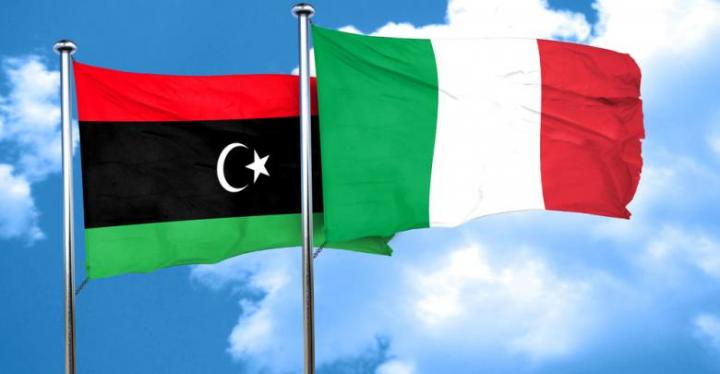
Cooperation between Italy and Libya in the fisheries and agribusiness sectors could represent an opportunity for both Italian businesses and the development of Libyan production chains, provided shared standards and balanced relations are established between the two shores of the Mediterranean. This was stated by the Undersecretary of the Ministry of Agriculture to “Agenzia Nova.” Patrick La Pietra, on the sidelines of a Senate meeting dedicated to the “Medita Hub” project, an economic platform promoted by the Italian-Libyan Chamber of Commerce together with the Libyan Export Development Authority (LEDA). “If we can find the right combinations between Italian navies, especially Sicilian ones, and Libyan navies, we can better exploit the fish resources of the same sea we share,” explained La Pietra. According to the undersecretary, the collaboration should allow “added value to the catch,” allowing “Libyan fishermen to earn more” while at the same time avoiding competitive imbalances with Italian operators. “Collaboration is also essential because the Libyan sea is a very rich sea of fish, where we can certainly collaborate and do good work together,” added La Pietra, emphasizing the need to ensure “both the growth of Libyan fishermen and the protection of Italian fishermen.”
For the Undersecretary, the Libyan fishing sector can become complementary to the Italian one, given Italy’s heavy dependence on fish imports. “We import between 70 and 85 percent of the fish we consume in Italy, so we need collaboration,” La Pietra stated. However, he specified, cooperation must be built “on the same evaluation parameters,” ensuring that “the value of the catch comes as close as possible to the standards used by Italian fishermen.” In addition to fishing, the Undersecretary identified the olive oil sector as one of the most promising areas of economic cooperation with Libya. Italy is the world’s second-largest exporter of olive oil, yet continues to import it. In this context, according to La Pietra, Libya can represent “an opportunity,” provided that the quality standards of local production are raised. “We must ensure that the new crops they want to develop in Libya are as close as possible to Italian quality, because we need high-quality extra virgin olive oil,” declared the undersecretary.
According to the undersecretary, Italian expertise will play a central role in developing potential agricultural and industrial partnerships with Tripoli. “I believe that not only technological expertise is crucial, but also the experience and work culture we have in Italy, especially in olive oil production, which has a thousand-year-old tradition here,” he explained. “Our technology, knowledge, and experience are essential to raising quality standards in the countries we collaborate with,” La Pietra concluded.
Read also other news on Nova News
Click here and receive updates on WhatsApp
Follow us on the social channels of Nova News on Twitter, LinkedIn, Instagram, Telegram
Dining and Cooking