
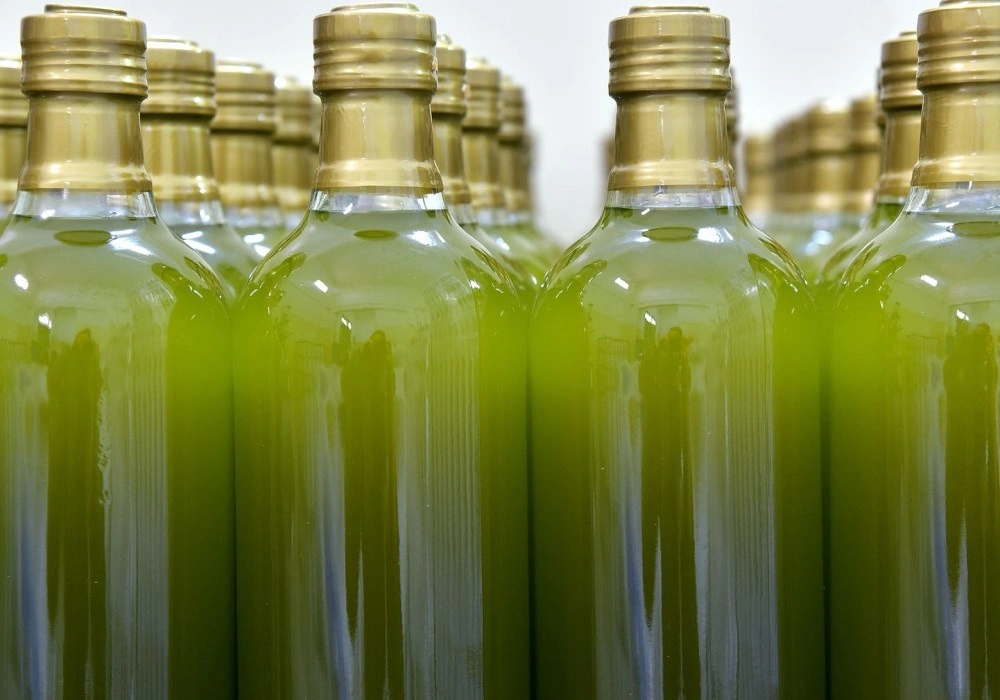
Greater shared responsibility along the entire supply chain, effective and integrated controls, promotion of Italian extra virgin olive oil, rebalancing the sector’s value, and timely tools to address market crises. These are the proposals put forward today by Cia-Agricoltori Italiani at the olive oil roundtable convened at the Masaf (Italian Agricultural Federation), attended by Undersecretary Patrizio Giacomo La Pietra, to support a sector grappling with growing challenges, caught between sharply declining prices, rising costs, and increasingly aggressive foreign competition.
 Christian Fini
“Italian olive growing is experiencing a period of strong pressure that risks compromising the sustainability of thousands of agricultural businesses -he said the national president of Cia, Cristiano Fini-. The prices at the origin of extra virgin olive oil have fallen below 6,5 euros/kg in many production areas, with a down 33% from a year ago, while production costs continue to rise, with increases exceeding 7% on an annual basisA dynamic that is compressing companies’ profitability and requires rapid and structural interventions.”
For Cia, what’s needed first is a change in approach to controls along the supply chain. The current system cannot be limited to mere formalities; it must involve all stakeholders, including large-scale retailers, in safeguarding the quality, fair trade practices, and recognized value of Italian products. When offers incompatible with the true cost of raw materials arrive on the market, it’s necessary to strengthen checks and ensure shared responsibilities along the entire chain. “It is no longer acceptable that the burden of market distortions falls almost exclusively on farmers – Fini explained -We need real supply chain responsibility, which engages all operators, including large-scale retail trade, to combat unfair practices and safeguard businesses’ jobs.”
Another central point is the strengthening supervision, through greater integration between electronic registers, traceability, and risk analysis tools, thus more effectively combating illegal activities and market anomalies and improving the transparency of trade flows. Within this framework, the SIAN can represent a strategic infrastructure not only for administrative management, but also for monitoring and protecting the national supply chain. “We need to move from a model that relies primarily on producer complaints to a model based on more effective preventative controls, capable of intercepting distortions and unfair practices before they cause economic damage to agricultural businesses.” Fini underlined.
 Among the priorities indicated by CIA, also the rebalancing of value along the supply chain, through greater valorisation of Producer Organisations (POs) and their aggregations and with the strengthening of supply chain agreements between agriculture, processing, and bottling, in addition to the need to make European crisis management tools more timely, including the use of private storage.
Finally, for Cia, the relaunch of the sector depends on a strategy strong promotion and positioning of Made in Italy extra virgin olive oil, enhancing distinctive characteristics such as varietal biodiversity and DOP and IGP certifications, investing in the culture of the product as an identifying food of the Mediterranean diet and in clearer, more accessible and effective communication towards consumers, schools, restaurants and distributors. “If we want to increase competitiveness and production we must clarify where we want to place Italian oil in the markets – concluded Fini -. The challenge can’t be played out solely on volumes. Italy’s strength lies in its quality, distinctiveness, and ability to transform our olive oil heritage into economic value for businesses.
Dining and Cooking