
For the Best New Bartenders of 2026, inspiration comes from everywhere: seasonal ingredients in their own restaurants’ gardens, sense memories from where they grew up, even nostalgic flavors like Mountain Dew Baja Blast. They pair high and low, the natural with the playfully manipulated, and their drinks all tell a story of how they got here and what they bring to the bar. If you’re lucky enough to visit them while they’re behind the stick, you should absolutely do so. But the next best thing is to get to know them through their signature drinks. Here are a few of their excellent recipes.
Jakob McCabe-Johnston | Atlanta, Georgia
Locality and seasonality are central to Jakob McCabe-Johnson’s work. For the Blueberry Bijou, a seasonal riff on the classic, he maintained the original’s gin and green Chartreuse but swapped in his own ingredients, like wormwood extract and a blueberry cordial made with local, in-season fruit, acid powders and crème de mûre. With the leftover pulp from the cordial, he also makes a vinegar to accent the drink. The finishing touch to the recipe is a flower garnish from the restaurant’s garden.
Siddalee Lewis | Denver, Colorado
“I wanted to make a version of a Piña Colada that drinks like an Old-Fashioned. Why? For fun,” says Siddalee Lewis. “It was one of those drinks that takes shape in your mind before you ever write it.” Searching for something sweet, nutty and clear—but not clarified—Lewis turned to a toasted-coconut-infused bourbon and acid-adjusted pineapple cordial to channel those classics. Saline solution and chai-spiced bitters accent the drink. Creative, thoughtful, playful, and balanced, the drink is, in Lewis’ words, “quintessentially my style.”

Steel Drum
A Piña Colada that drinks like an Old-Fashioned.
Laury Lopez Melon | New York City
Laury Lopez Melon draws on nostalgic flavors from her childhood in Puerto Rico. This tequila-based drink calls on Malta India, a nonalcoholic malt beverage. “When I was little, I wanted it with pretty much every meal,” she says. The rich malt flavor “pairs naturally” with espresso, she says, while tropical flavors from coconut water and tamarind nectar brighten things up. “This drink is, in a way, supposed to feel like what I thought my coffee would taste like when I wasn’t even allowed to have coffee and would watch my aunts and grandma drinking it in the morning,” she says.

Desayunito
Puerto Rico’s Malta India meets espresso and tamarind.
Nikki Irvine | Eugene, Oregon
“I was lucky enough to come up in, and eventually manage, a bar in a restaurant whose chef and owner was at the forefront of the farm-to-table movement,” says Nikki Irvine. “Having acquired a deep appreciation for nature from living in Oregon my whole life, it was both eye-opening and familiar to witness how to translate what was happening outside onto a plate or into a glass.” Walking to work one day after it rained, they got the idea to translate the “wet-earth smell” (aka petrichor) into a cocktail, which they did by combining a woodsy gin, herbal génépy and amaro, rosemary and a finishing mist of absinthe. Guests loved the drink. “It was one of the first times I truly felt validated as a bartender and really felt myself become familiar with ingredients and how to balance them,” they say.
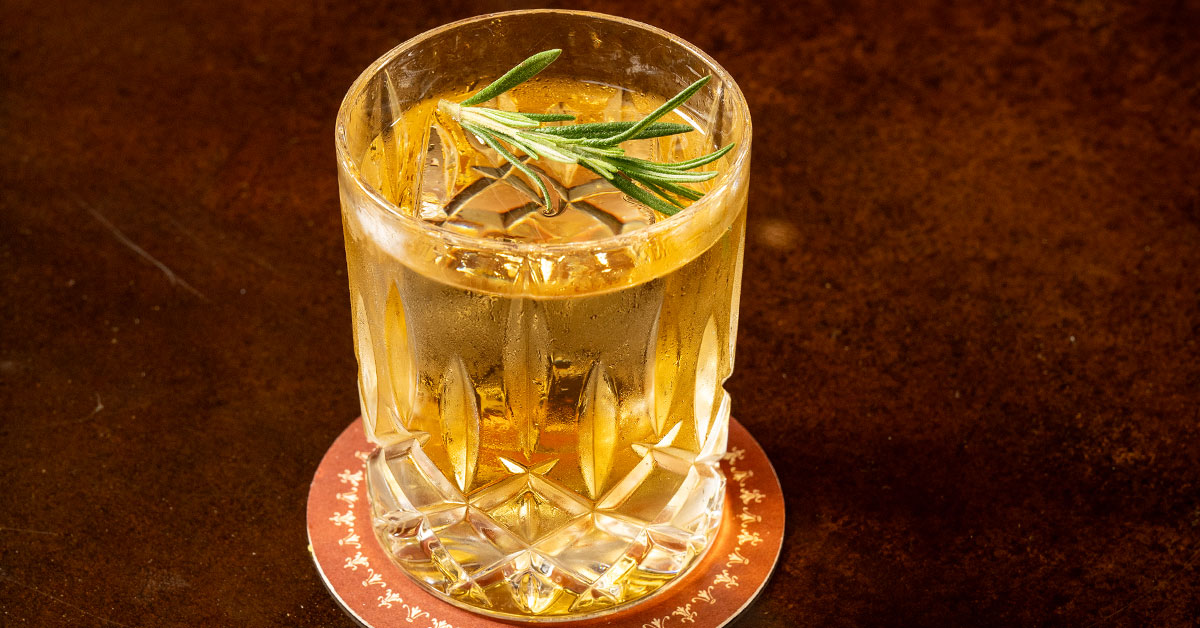
Petrichor
Woodsy gin, herbal génépy and a mist of absinthe channel the smell of rain.
Miley Aryucharoen | Los Angeles
At Tomat, Miley Aryucharoen built a cocktail program to match the kitchen’s nose-to-tail (or “seed-to-stalk”) ethos. When the restaurant was serving stilton and crackers, some pieces of the cheese were too small or crumbly to make it onto the plate, which meant they’d otherwise go to waste. Aryucharoen decided to soak them in vodka, use them to make blue-cheese-stuffed olives and give them the starring role in a Martini. “We always joke that I love my drink swampy, filthy, disgusting,” she says. This Martini, finished with drops of basil oil and Sichuan pepper oil, reflects that preference.

Stiltontini
Stilton-infused vodka makes this dirty Martini extra dirty.
Dominique Muñoz | San Diego
As a trained archeologist, Dominique Muñoz takes an excavator’s approach to cocktails, breaking down familiar dishes or cultural histories and translating them into drinks. “When I’m developing a cocktail, especially for a competition, I think of it almost like curating an exhibit,” she says. “Every ingredient, technique and garnish is chosen with intention to help tell a larger story.” This drink was inspired by a summer salad and “the classic pairing of melon and anise flavored spirits found throughout Mediterranean and Middle Eastern culture.”
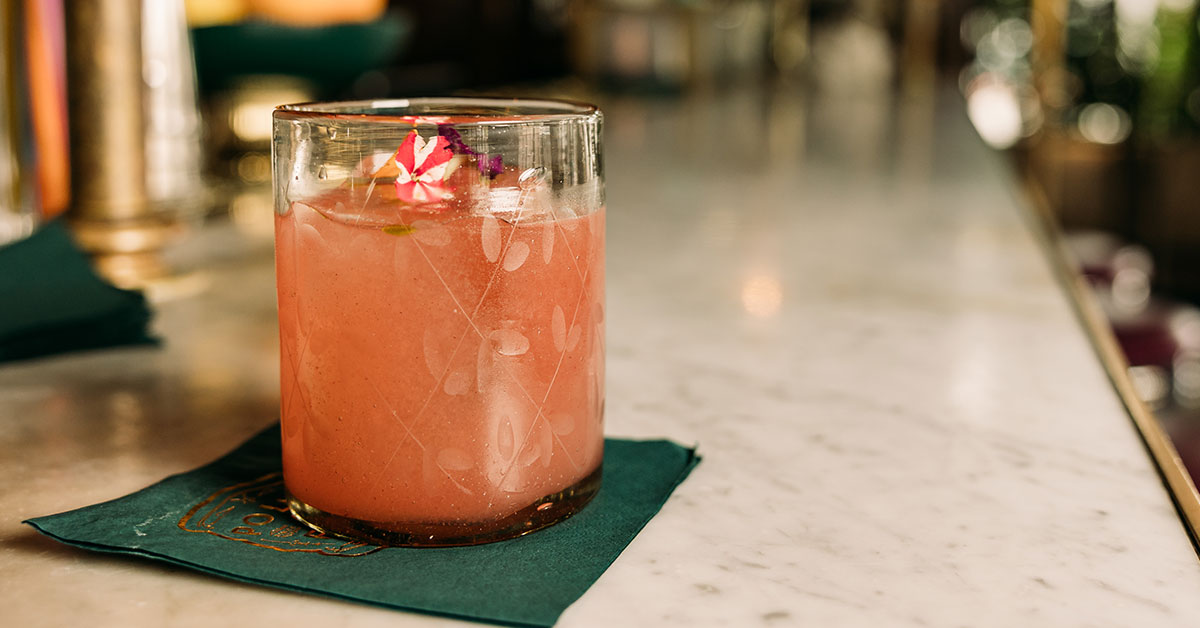
Wicked Game
A crowd-pleasing mix of watermelon, tequila and arak.
Sean Teague | Charlotte, North Carolina
Sean Teague’s cocktails merge a technical mastery, deep understanding of ingredients and playfulness. The Karai, which he created while consulting for the Japanese American restaurant DŌZO, is part of a menu he conceived with the prompt to put ingredients like ramune, sake and lychee in classic cocktail templates. The latter ingredient shines here, paired with doubanjiang—spicy, fermented bean paste—to add an extra dimension of savoriness.
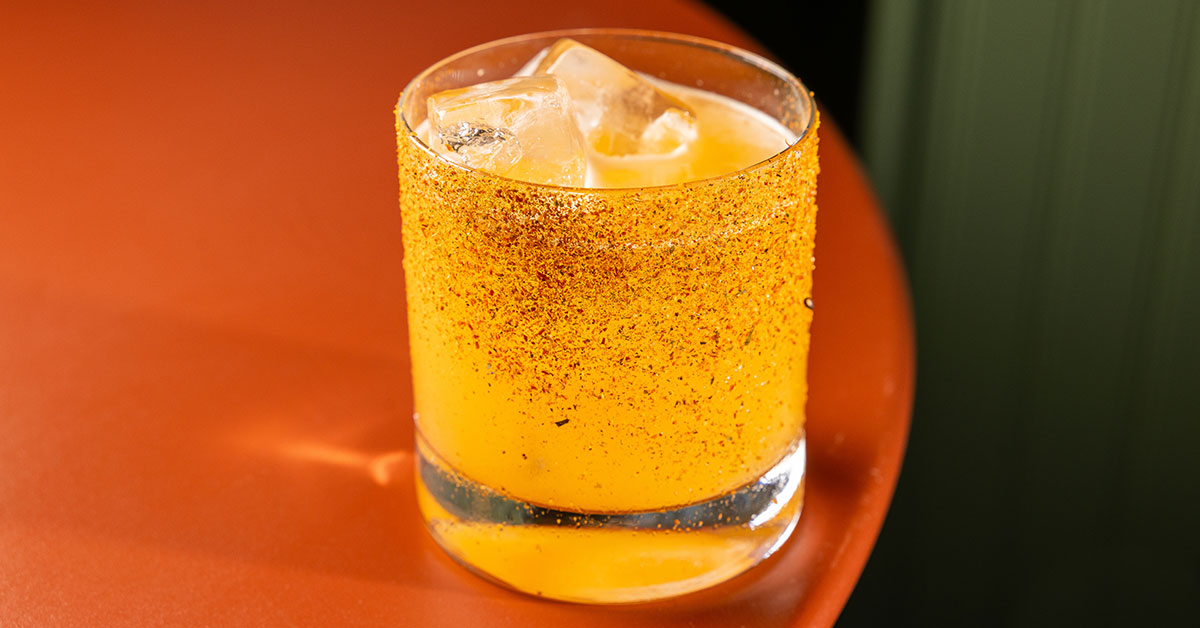
Karai
A spicy lychee Margarita.
Matt Huntley’s cocktails lean savory. “I love when I hear the phrase ‘eat your cocktails and drink your food,’” he says, and he values the cross-utilization of prep ingredients between kitchens and bars. This recipe takes inspiration from the Hot and Iced Tea—a magic trick of a drink where both temperatures are present in the same glass—created at The Fat Duck in the U.K. For his cocktail, Huntley uses cacao-butter-washed rum and corn bourbon in the cold base and tops it with a warm, spiced cornbread-flavored foam. The Manhattan-like drink is balanced and surprising. “I like merging weird flavor combinations,” he says.
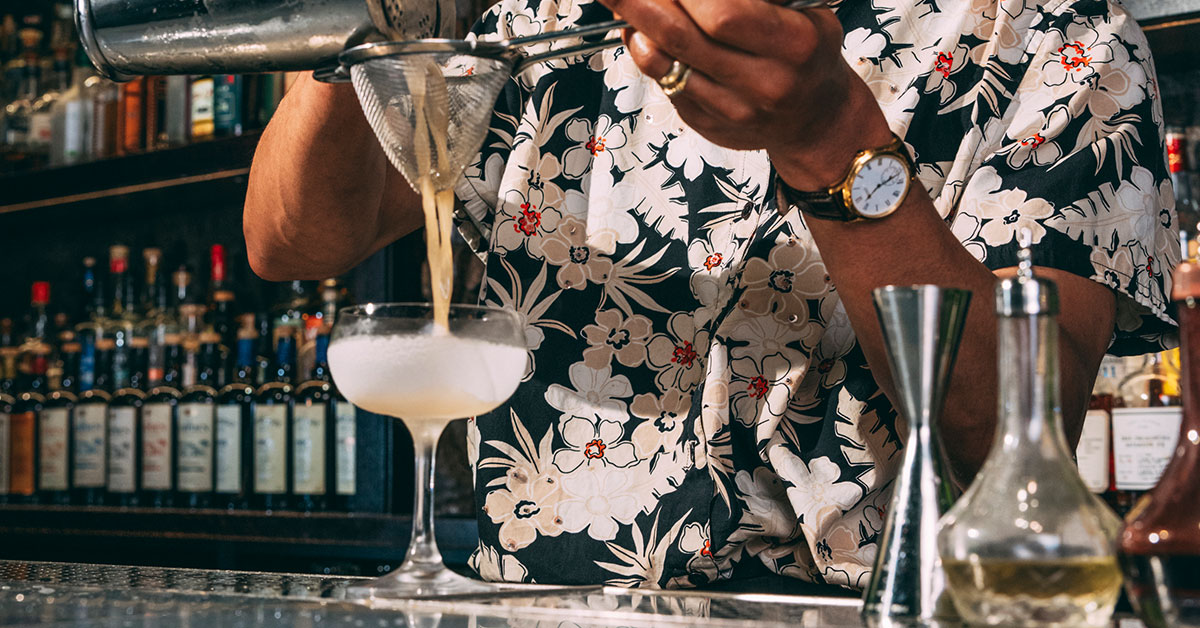
Corn on Corn
A cold cocktail base meets a warm spiced foam in this experimental drink.
Dillon Raaz | Seattle
“I have used my extensive travels as a way to expand my palate,” says Dillon Raaz. During a trip to Lima, Peru, Raaz says he “drank more Pisco Sours than I can remember.” But he’ll never forget the nights he spent at the restaurants and bars in the city’s Miraflores neighborhood and the way that local produce made its way into the cocktails. At Atoma, where Raaz is bar manager, the menu is designed to use as many Pacific Northwest ingredients as possible, so this drink, made with brandy from an Oregon-based distiller and plums grown in Seattle, is an ode to both the memories of his vacation and local, seasonal flavors.
Get our freshest features and recipes weekly.
Related Articles
More Stories you may like
Dining and Cooking