

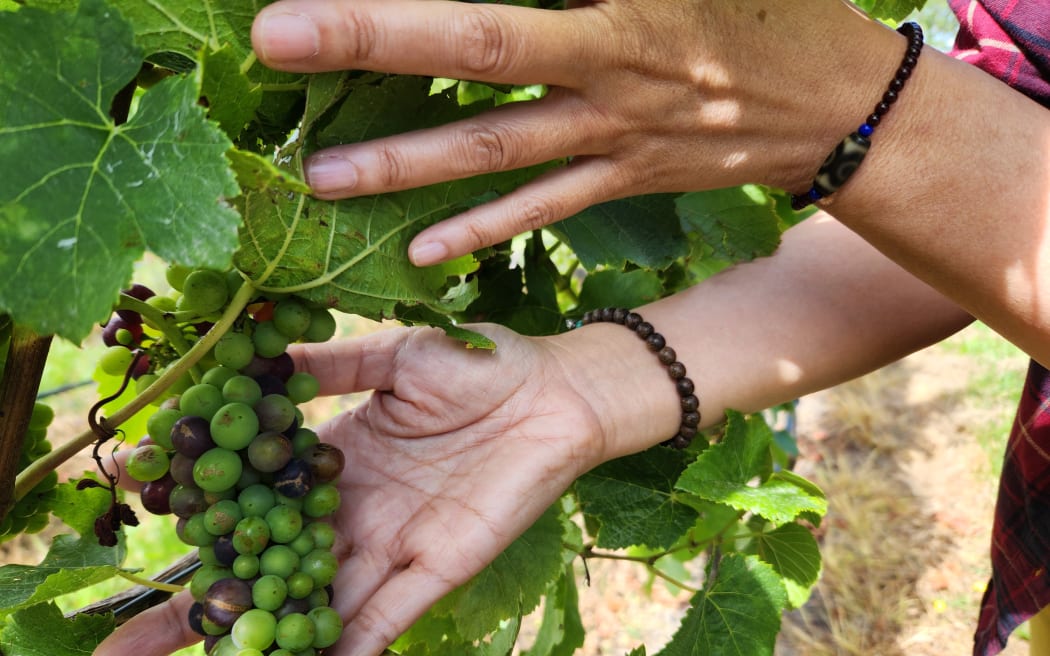
Wine exports are not exempt from the proposed tariffs.
Photo: RNZ/Sally Round
New Zealand’s primary sector exporters say they are not surprised the United States is trying to increase and maintain import tariffs on foreign goods.
Most New Zealand exports, except a few, already faced a 10 percent import tariff to the multi-billion-dollar market.
But with that section 122 tariff set to expire next month, a 12.5 percent tariff was being proposed to take its place.
With New Zealand among dozens of countries affected, American officials said it was targeting countries that were not doing enough to prevent forced labour in the supply chain.
Kiwifruit will continue to be exempt from the new tariff, Zespri confirmed on Thursday, as well as beef, timber and offal.
But not wine exports into their top export market, the US.
New Zealand Winegrowers chief executive Philip Gregan said changing tariffs made it very difficult for wine exporters to plan their shipments and market investment.
“We’re not entirely surprised that the US is looking to find another way to impose blanket tariffs across products,” he said.
“According to the all reports, we’re looking at a 12.5 percent tariff on New Zealand wine going into the US, but we don’t know the timeframe for implementation, or in fact truly if it’s going to be implemented.
“But we presume it will be.”
Gregan said the US tariffs created a lot of uncertainty for the sector.
“There’s been this review going on. We all knew that in all likelihood it was going to lead to more permanent tariffs.”
Dairy, lamb to face new tariff

A new tariff was not unexpected by the dairy sector.
Photo: RNZ / Rebekah Parsons-King
A new tariff was not unexpected by the dairy sector, already facing the 10 percent and likely to be subject to 12.5 percent.
Kimberly Crewther of the Dairy Companies Association of New Zealand said tariffs were never welcome.
“DCANZ agrees with the New Zealand Trade Minister’s [Todd McClay] assessment that this investigation has been aimed at maintaining tariffs in the US, and there has been no finding that forced labour is a feature of New Zealand dairy supply chains,” she said.
She said it was concerned the new tariff proposal would again disadvantage New Zealand exporters over others sending product to the US.
“In particular, the tariffs will not apply to Canadian dairy products exported to the US under the USMCA agreement, meaning our unsubsidised exports are at a significant tariff disadvantage compared with unfairly priced Canadian dairy exports.”
New Zealand beef exports will continue to dodge the US import tariffs, but not lamb.
Beef and Lamb New Zealand chair, Kate Acland said lamb was expected to rise to 12.5 percent from the current 10 percent, though it was not likely to be immediate.
“Certainly we don’t think that this tariff is justified,” she said.
“We’re disappointed at the increase to 12.5 percent, but to be honest we were expecting it could have been worse.”
Acland said many countries were caught up in the situation, but it had nothing to do with New Zealand’s farming practices.
“This is not about New Zealand, this is part of a broader US trade strategy to put tariffs on imports.”
She assured there was no evidence of forced labour in the sector in New Zealand.
The United States spent nearly $7 billion on New Zealand’s food and fibre exports in the year to June, according to Government data.
Sign up for Ngā Pitopito Kōrero, a daily newsletter curated by our editors and delivered straight to your inbox every weekday.
Dining and Cooking