
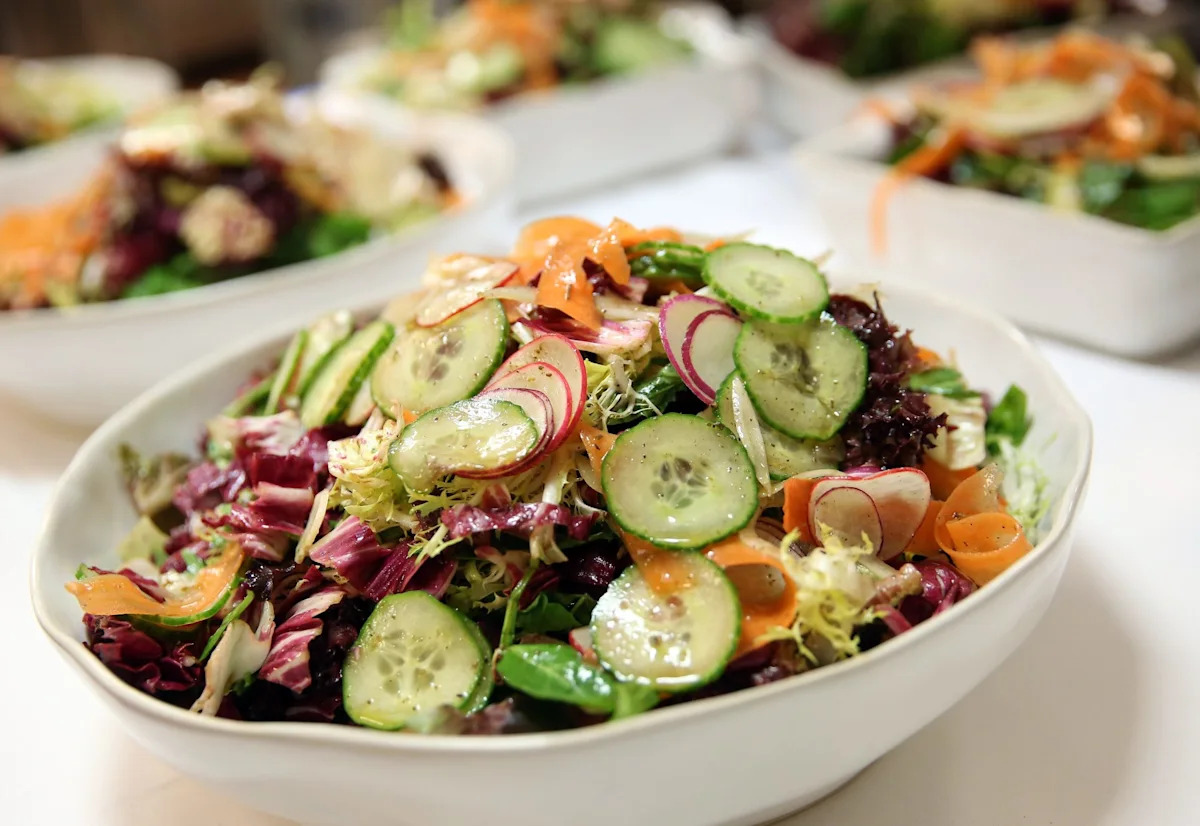
Fiber is one of the most important, and most overlooked, nutrients in the modern diet.
“We’ve known this forever, and it has to get rediscovered all the time,” Joanne Slavin, professor of food science and nutrition at the University of Minnesota, told the American Heart Association. “Fiber is really good medicine. It’s the one thing we want people to eat more of.”
The problem is that most Americans fall well short of the recommended daily intake, not because it’s hard to find, but because the foods that deliver fiber have largely disappeared from our plates.
The Mediterranean diet quietly fixes that without a tracking app, meal plan or a single gram counted.
What is the Mediterranean diet?
The Mediterranean diet is the traditional way of eating practiced by people living in countries along the Mediterranean Sea, such as southern Italy, Greece and Spain—in their mid-20th-century form.
Best High Fiber Foods for Digestion, Plus 10 Recipes: See the Video
It’s less a strict diet plan and more a pattern of eating where healthy choices are the default. The most prominent characteristics include:
Minimally processed whole grains and legumes form the foundation of every meal
A wide variety of fresh vegetables eaten in generous amounts every day
Fresh fruit serves as the go-to daily dessert, with nut-, olive oil- and honey-based sweets reserved for special occasions
Cold-pressed extra-virgin olive oil is the primary cooking and dressing fat, supplemented by nuts and seeds
Fish eaten in moderate amounts
Small amounts of dairy, mostly in the form of local cheese and yogurt
Red and processed meat eaten infrequently—no more than once or twice a week, and in small portions
Wine enjoyed in modest amounts, and only alongside food
Taken together, these characteristics lead to high-fiber meals built on whole, minimally processed foods, one where the most fiber-rich options are also the most common ones.
Fiber is abundant in the Mediterranean diet
Americans are scrambling to hit their daily fiber targets, but the Mediterranean diet makes it effortless.
A traditional Mediterranean diet rich in whole grains, legumes and dried fruits delivers at least 14 grams of fiber per 1,000 calories, more than double what Americans consume daily, per a 2017 analysis.
The foods driving that number are the same ones at the heart of every Mediterranean meal:
Legumes, such as lentils, chickpeas, black beans, fava beans and white beans
Whole grains, such as oats, barley, whole wheat bread, whole wheat pasta and farro
Fruits, such as figs, pears, apples, dried apricots and dates
Nuts, such as almonds, walnuts, hazelnuts and pine nuts
Vegetables, such as artichokes, broccoli, carrots and eggplant
The Mediterranean diet’s fiber advantage isn’t just about what’s on the plate, it’s also about what isn’t.
Highly processed foods and refined carbohydrates, the staples of the modern Western diet, have their fiber stripped away almost entirely. When those foods dominate your diet, fiber intake suffers by default.
Slash Your Risk of Dementia, Diabetes and More With This Popular Diet
The Mediterranean diet sidesteps that problem naturally: you’re not just adding more of the good stuff, you’re automatically eating less of what was working against you all along.
Most Americans are not getting enough fiber
According to OSF HealthCare, women should aim for at least 25 grams of fiber per day, while men should aim for around 38 grams daily.
But as Slavin points out, the average American only eats about 14 grams of fiber per day.
A 2021 study cited by the American Society for Nutrition (ASN) doubled down on that sentiment by finding that only 5% of men and 9% of women are getting the recommended daily amount of dietary fiber.
Fiber does a lot for the body
The case for eating more fiber goes well beyond digestion. Here’s what adequate fiber intake does:
Keeps your gut healthy by feeding the beneficial bacteria in your microbiome and helping them thrive
Helps you feel full by slowing digestion and triggering hormones that signal satisfaction to your brain
Lowers your cholesterol by binding to cholesterol and bile acids in the digestive tract and flushing them out of the body
Reduces your risk of colon cancer by prompting gut bacteria to produce butyrate, a compound that helps destroy colon cancer cells
Keeps bowel movements regular by adding bulk to stool and speeding up how quickly it moves through your system
Helps protect against type 2 diabetes by slowing sugar absorption and keeping insulin levels more stable
Insufficient fiber intake is associated with a higher risk of cardiovascular disease and type 2 diabetes, two of the most common diseases in the United States, per the ASN.
The Mediterranean Diet: A 7-Day Meal Plan for a Healthier You
It should come as no surprise that those diseases were traditionally very low in the Mediterranean region.
Starting the Mediterranean diet is simpler than it sounds
Adopting a high-fiber Mediterranean diet plan doesn’t require a complete kitchen overhaul. Small, consistent changes add up quickly—and fiber intake tends to follow without much extra effort.
Swap white bread, pasta and rice for whole grain versions
Add a legume to one meal a day—chickpeas, lentils or white beans are easy starting points
Snack on nuts and fresh or dried fruit instead of packaged foods
Use olive oil instead of butter or other cooking oils
Build your plate around vegetables, grains and legumes—and treat meat as the side, not the centerpiece
Eat fresh fruit for dessert instead of processed sweets
Try one new Mediterranean staple per week—farro, barley or artichokes are good places to start
None of these changes require perfection or a full commitment from day one.
Most Mediterranean diet high-fiber recipes are flexible by nature, and even partial shifts toward its core principles tend to move the needle on fiber intake fairly quickly.
Do Fiber Gummies Actually Work? Dietitians Reveal What Trader Joe’s Gummy Worms Really Do
Fibermaxxing Snacks Make Weight Loss Easy—Your Hunger Doesn’t Stand a Chance
Fast Foods That Are Actually Good for You: 7 Healthy Picks Dietitians Swear By
Dining and Cooking