

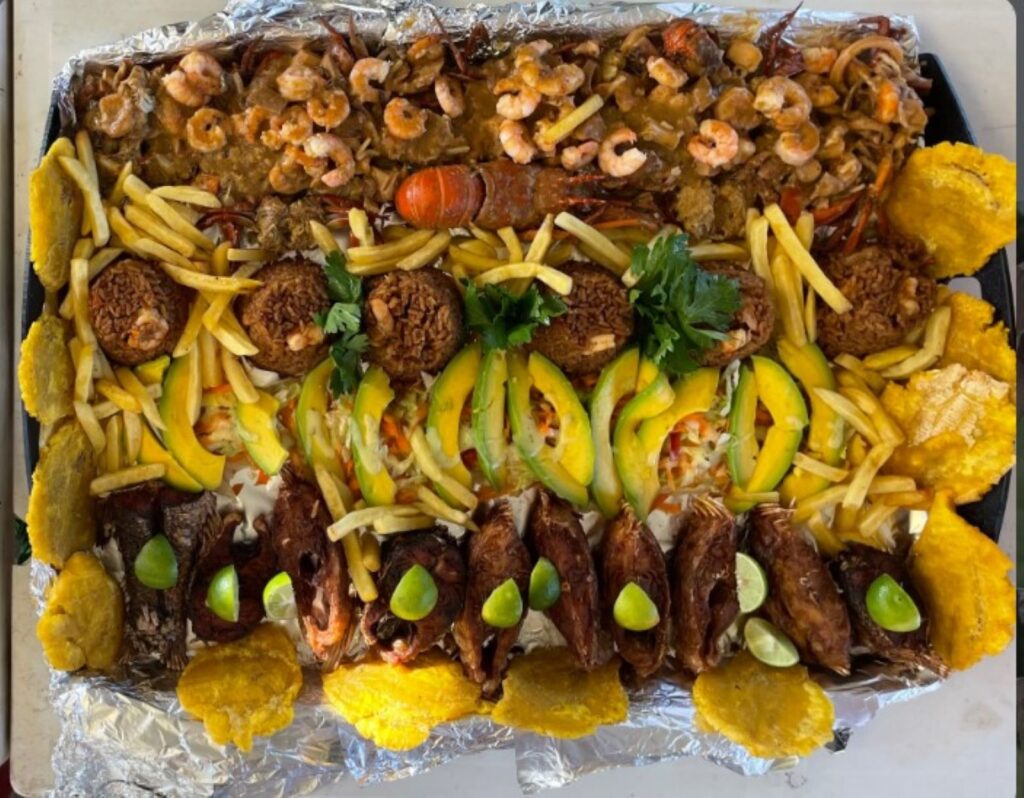
Two Colombian cities were included in National Geographic’s list of “The 15 Best Places in the World for Food Right Now,” highlighting the Caribbean cuisine of Barranquilla and Cartagena. Credit: Caroll Viana / Colombia One
Colombian cuisine continues to gain international recognition. National Geographic included two Colombian cities — Barranquilla and Cartagena — in its list of “The 15 Best Places in the World for Food Right Now,” a ranking that highlights the most attractive and creative culinary destinations on the planet today.
The publication highlighted the gastronomic richness of Colombia’s Caribbean region, the blend of cultural influences, and the work of chefs who have transformed traditional ingredients into contemporary proposals recognized worldwide. The list also featured international destinations such as Crete and Kelowna, further positioning Colombia as one of the countries with the greatest potential in culinary tourism.
National Geographic highlights the rise of Caribbean Colombian cuisine
National Geographic’s recognition reflects the growth Colombian cuisine has experienced in recent years, thanks to the rise of fine dining restaurants, food festivals, and projects focused on preserving ancestral ingredients and traditional cooking techniques. According to the magazine, both Barranquilla and Cartagena represent the cultural and culinary diversity of the Caribbean, a region shaped by Indigenous, African, Spanish, Arab, and Antillean influences.
Beyond tourism, this international visibility strengthens Colombia’s position as a gastronomic destination beyond its beaches and historic landmarks. Culinary tourism has become one of the fastest-growing global travel trends, driven by experiences connected to local flavors, traditional markets, and identity-based cuisine.
Cartagena and the fine dining scene captivating the world
In Cartagena’s case, National Geographic particularly highlighted the evolution of its contemporary culinary scene. The neighborhood of Getsemani was described as one of Latin America’s most innovative culinary hubs thanks to restaurants that reinterpret Caribbean Colombian cuisine using local ingredients and modern techniques.
The magazine praised the work of Celele, internationally recognized for rescuing traditional Caribbean flavors. There, chef Jaime David Rodríguez Camacho reinvents dishes such as sancocho soup using dehydrated plantain cream and native Colombian products.
National Geographic also mentioned El Curato, a project led by chef Álvaro Clavijo, creator of Bogotá’s acclaimed restaurant El Chato. The concept focuses on Indigenous ingredients and Caribbean coastal products, including dishes such as cheesecake made with suero costeño, a traditional fermented dairy cream from Colombia’s Caribbean region.
Another highlighted venue was Alquímico, considered one of the best bars in the world. The establishment combines cocktails made with local ingredients such as lulo fruit and sugarcane-based spirits with a sustainable model that supports rural communities.
Cartagena’s cuisine also remains deeply connected to traditional dishes such as posta negra, arroz con coco, seafood casserole, and shrimp ceviche. Many of these recipes use emblematic regional ingredients, including yams, corozo fruit, fresh fish, coconut, and Creole spices.
Barranquilla and the explosion of Caribbean flavors
While Cartagena was recognized for its fine-dining scene, Barranquilla earned its place on the list thanks to the strength of its popular and multicultural cuisine. According to National Geographic, the city’s dishes reflect the blend of Indigenous, African, Arab, Spanish, and Caribbean traditions that define Colombia’s Atlantic coast.
One of the events highlighted by the magazine was Sabor Barranquilla, considered one of Colombia’s most important food festivals. The event brings together chefs, traditional cooks, and local producers around ingredients such as cassava, corozo fruit, and Caribbean fish.
The publication also praised chef Manuel Mendoza, who has developed contemporary proposals inspired by traditional coastal flavors. His dishes include cured fish seasoned with achiote and techniques that reinterpret classic Caribbean recipes.
Barranquilla also preserves some of Colombia’s most iconic traditional foods. The arepa de huevo remains one of the city’s culinary symbols thanks to its preparation of fried corn dough stuffed with a whole egg. Other highlights include butifarra soledeña, made with beef and Arab-inspired spices, and arroz de lisa, traditionally served with bollo limpio and suero costeño.
Additional emblematic dishes include yuca carimañolas stuffed with meat or cheese. Arab influence also remains visible in recipes such as kibbe costeño, the local adaptation of the traditional Middle Eastern dish.
Dining and Cooking