
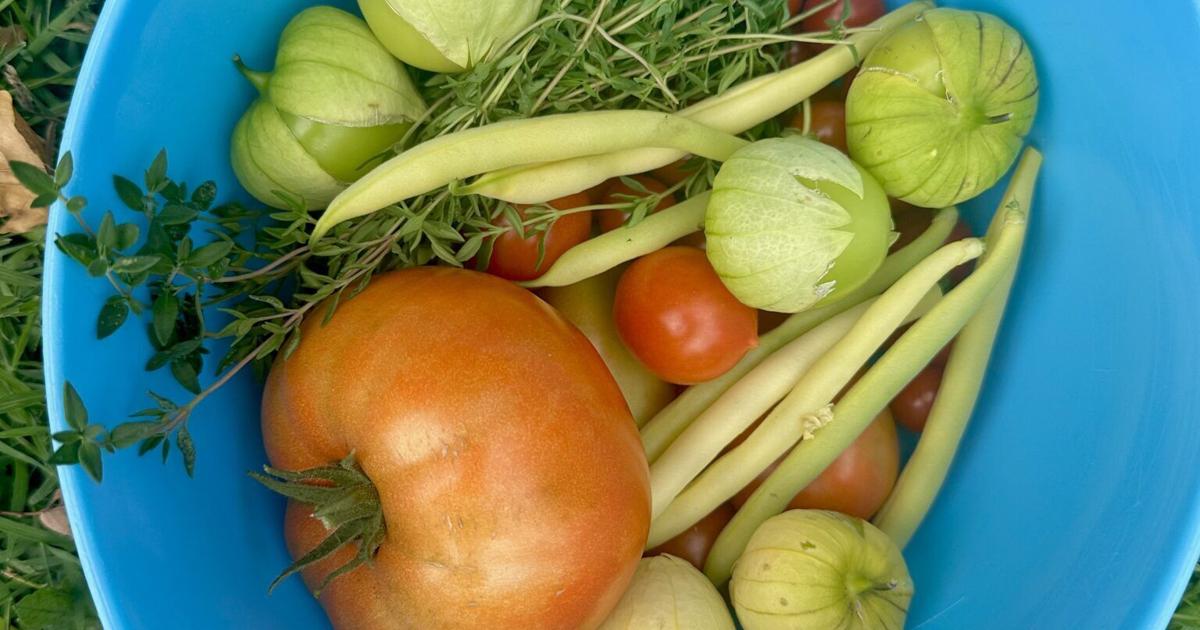

Locally grown produce.
Cami Koons/Iowa Capital Dispatch
There’s a new trend in Iowa politics. Agriculture and rural issues are starting to take center stage, especially in our statewide races for governor and secretary of agriculture. For perhaps the first time in a generation, candidates from both parties appear to recognize that voters are hungry for a larger conversation about the future of Iowa agriculture. These conversations are not just about how much corn and hogs we produce or profit maximization for agribusiness corporations, but what kind of outcomes our food system produces for Iowa farmers, families, communities and future generations.
This is a tremendous opportunity for voters. For years, many of the most important conversations about food, farming, water quality and rural development happened on the sidelines of our political debates. Too often, the conversation focused on how to preserve the current system rather than asking whether that system is delivering the outcomes Iowans want.
As executive director of the Iowa Food System Coalition, I spend my days working with farmers, school nutrition directors, healthcare leaders, food entrepreneurs, conservation advocates, researchers and elected officials from across the political spectrum. What I hear most often is not partisan disagreement, but a growing recognition that many of Iowa’s biggest challenges are deeply connected.
For decades, Iowa has been enormously productive by measures of yield and corporate profits. But productivity alone has not addressed some of the state’s most persistent challenges. One in six children in Iowa is experiencing hunger. We continue to struggle with impaired waterways. Rural communities continue to lose population. Young people interested in farming face significant barriers to entry. Many farmers themselves feel squeezed between rising costs, increasingly concentrated markets and overproduction leading to lower prices. Almost all Iowans are aware of our troubling rise in cancer rates.
At the same time, something remarkably positive is happening. Across Iowa, schools are purchasing more Iowa-grown food. Healthcare providers are exploring food-as-medicine programs. Farmers are rebuilding soil health while protecting water quality. Food hubs are creating new market opportunities. For the first time since 2007, Iowa saw an increase in the number of farms, mostly due to an increase in smaller farms under 100 acres. Entrepreneurs are investing in local processing and value-added agriculture. Communities are finding innovative ways to strengthen local food economies. The encouraging news is that many of the solutions already exist. The future is not something we have to invent from scratch.
The challenge now is to connect those pieces, invest in what works and scale successful models statewide. This is exactly where statewide candidates can provide support for solutions already happening on the ground. Statewide races should be a conversation about how we develop the future of diversified agriculture in Iowa, creating more opportunities for beginning farmers, strengthening rural economies, improving water quality, expanding local markets, improving public health, and ensuring that more of the value generated by agriculture stays in Iowa communities.
The question now is whether candidates will move beyond rhetoric and partner with the organizations already piloting innovative agricultural solutions. The door of the Iowa Food System Coalition is open to help educate candidates on the many solutions happening today to promote a better food and farm system in Iowa. I believe the candidates who are willing to imagine and help build a more innovative, farmer-focused and rural-centered future for Iowa’s food and farm economy will be the ones who earn the strongest support from voters in November.
Tommy Hexter is the executive director of the Iowa Food System Coalition.
Dining and Cooking