

Home » BARBADOS TRAVEL NEWS » Cliff Shares the Crown With Blue, Jade Mountain, Café Boulud, La Cigale, Boutique Boucan, and a Few Others as the Top Caribbean Restaurants in 2026: How Does This Trend Attract Travelers More?
Published on
July 14, 2026

Image generated with Ai
Cliff, Blue, Jade Mountain, Café Boulud, La Cigale, Boutique Boucan and more share the crown for the best Caribbean restaurants of 2026. It is a radical recipe of pure luxury, untamed nature, and absolute island dominance. A brilliant fusion of Michelin-level culinary execution and hyper-local agricultural science is rewriting the rules of flavor. The world’s most feared inspectors are flying straight to the tropics. They are finding unparalleled plates hidden on secret cliffside terraces and deep within ancient jungle plantations. Affluent epicureans are no longer selecting destinations based solely on pristine beachfronts. Instead, they are booking complex, multi-stop itineraries designed entirely around securing these elite tables.
By combining technical, Michelin-level precision with hyper-localized agricultural science, these establishments offer a raw, place-based sensory narrative that traditional European capitals simply cannot replicate. The dramatic geography itself acts as a primary ingredient. Diners are actively chasing the contrast between the sharp, refined seafood artistry found on Grand Cayman and the rustic, cacao-infused jungle gastronomy hidden within St. Lucia’s rainforests. This powerful synergy of environmental theater, strict sustainability, and unparalleled flavor execution has successfully turned the entire Caribbean archipelago into the world’s most dominant and irresistible luxury food frontier.
The Top Caribbean Restaurants in 2026RestaurantLocationCuisine StyleVibe & SettingSignature Dish / FocusPrice Range (USD per person)The CliffSt. James, BarbadosModern European with Caribbean accentsUltra-luxury; torch-lit terraces carved directly into a coral cliffside overlooking the sea.Pan-seared local snapper with passion fruit beurre blanc$180 – $250+Blue by Eric RipertGrand Cayman, Cayman IslandsHaute French SeafoodSophisticated elegance inside The Ritz-Carlton; the region’s premier seafood tasting venue.Multi-course local seafood tasting menu with elite wine pairings$200 – $350+Jade Mountain ClubSoufrière, St. Lucia“Jade Cuisine” (Contemporary Caribbean)Open-air architectural marvel overlooking the iconic twin Piton mountains and an infinity pool.Organic, estate-grown plantain soup and St. Lucian pepper pot$150 – $250Café BouludNassau, The BahamasFrench Fine Dining with Bahamian inflectionsQuiet, glamorous sophistication inside the Rosewood Baha Mar resort.Tournedos Rossini (prime steak paired with local island flavors)$130 – $220La CigaleGrand Case, St. MartinClassic French-CaribbeanEpitome of “Caribbean cool” right on the lagoon edge under swaying palms; Gault & Millau recognized.Pan-seared foie gras and local lobster flamed with island spices$100 – $180Rhodes Restaurant at CalabashLance aux Épines, GrenadaRefined West Indian & British fusionOpen-air dining tucked into a manicured, formal garden estate.Slow-cooked Grenadian chocolate beef short ribs & local catches$90 – $1601919 RestaurantSan Juan, Puerto RicoFarm-to-Table ContemporaryElegant, historic beachfront setting inside the Condado Vanderbilt Hotel.Flavor-forward menus highlighting Puerto Rico’s culinary renaissance$120 – $200Boutique BoucanSoufrière, St. LuciaCacao-infused GastronomyJungle-enclosed eco-chic restaurant located on a working historic cacao plantation.Confit of duck with white chocolate mash$80 – $140
The shocking reason elite food critics are swapping Europe for the Caribbean in 2026 comes down to a complete geopolitical shakeup in haute cuisine. The old continental empires of fine dining are collapsing. Paris is officially losing its grip. Millions of dollars are shifting into tropical kitchens. This is not a temporary vacation trend. This is a permanent, multi-million-dollar culinary takeover. The elite establishment cannot ignore the sheer momentum of these island kitchens anymore. The Caribbean has successfully stolen the global gastronomic crown, leaving traditional European dining rooms completely empty.
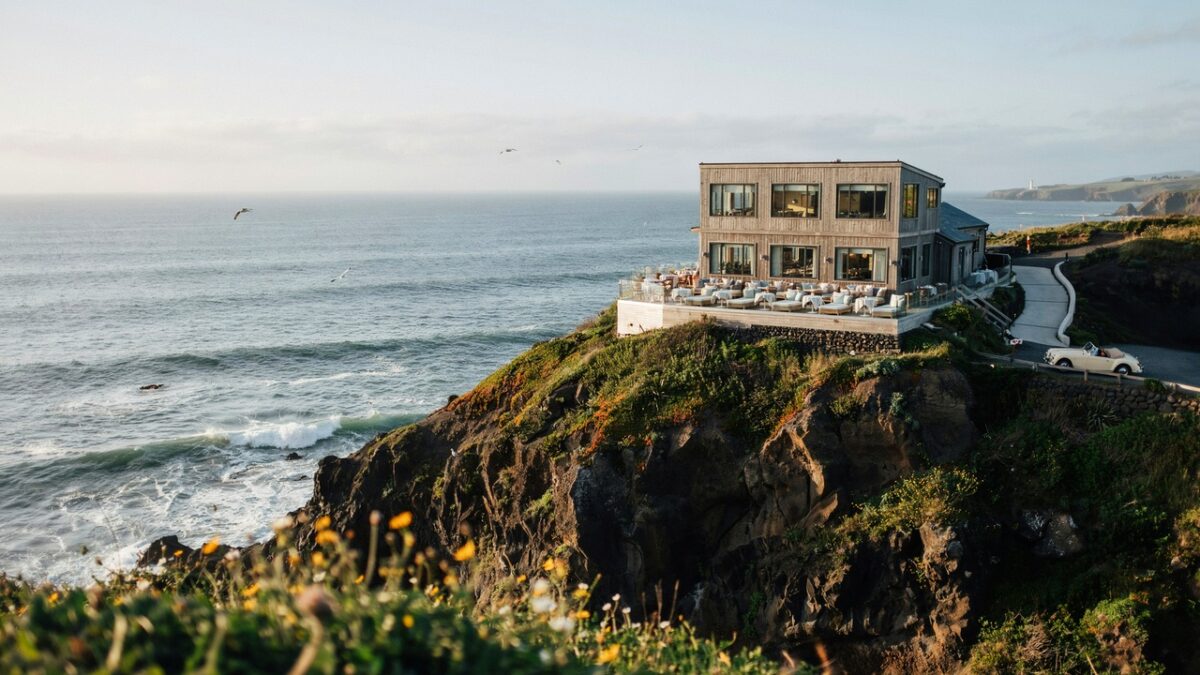
Image generated with Ai
How Does The Cliff in Barbados Maintain Its Status as the Region’s Premier Dining Destination?
Perched dramatically over the torch-lit waters of St. James, The Cliff in Barbados continues to set the benchmark for ultra-luxury dining through flawless execution and an unmatched geographical footprint. The restaurant’s multi-tiered design, carved directly into a rugged coral cliffside, offers an immersive theatrical backdrop where the Atlantic meets the Caribbean Sea. In 2026, the venue has solidified its reputation by refining its menu to blend classic French foundational techniques with vibrant Bajan flavor profiles.
The kitchen, operating under rigorous fine-dining standards, draws heavily from local fisheries to source line-caught red snapper, barracuda, and Caribbean spiny lobster. Its signature pan-seared local snapper, served with a velvety passion fruit beurre blanc, perfectly demonstrates how tropical acidity can cut through classic French richness. With a price point reflecting its elite status, the establishment remains an essential pilgrimage for affluent travelers who demand flawless service, an extensive global wine portfolio, and an atmosphere that defines Caribbean opulence.

Image generated with Ai
What Makes Blue by Eric Ripert the Absolute Pinnacle of Haute Seafood?
Tucked inside the pristine confines of The Ritz-Carlton, Grand Cayman, Blue by Eric Ripert remains the only AAA Five Diamond restaurant in the Caribbean, operating as a strict extension of Ripert’s legendary seafood philosophy. The restaurant acts as a temple to marine gastronomy, utilizing the Cayman Islands’ robust infrastructure to secure the freshest global and regional catches. The atmosphere within the dining room is one of quiet, sophisticated elegance, purposely designed to keep the diner’s focus entirely on the plate.
Advertisement
Advertisement
The hallmark of the establishment is its meticulously curated multi-course tasting menus. Each dish undergoes a rigorous conceptual process where the natural flavor of the fish is elevated rather than masked. Inspectors from the Michelin Guide frequently note that the restaurant’s precision cooking techniques—ranging from delicate micro-poaching to raw crudo preparations—rival the best seafood houses in Paris and New York. Paired with an unrivaled collection of over 700 select wines, it represents the most technically disciplined epicurean experience in the region.

Image generated with Ai
How Does Jade Mountain Club Fuse Architecture with “Jade Cuisine”?
Located high above the Soufrière coastline in St. Lucia, the Jade Mountain Club delivers an open-air dining experience where architectural genius directly influences the flavor on the plate. The restaurant floats on a massive structural terrace, entirely open to the elements, providing unobstructed views of the iconic twin Piton mountains. The culinary philosophy here, dubbed “Jade Cuisine” by its founding minds, is anchored in holistic wellness, vibrant tropical aesthetics, and strict agricultural sustainability.
Advertisement
Advertisement
The menu relies almost entirely on the bounty of the resort’s private organic estate, Emerald Farm. This direct agricultural pipeline allows the kitchen staff to harvest specialized tropical ingredients, such as rare heirloom mangoes, cacao nibs, and wild pepper pot herbs, mere hours before they are served. A standout example is their estate-grown plantain soup, which showcases how traditional West Indian staples can be transformed into silky, multi-layered masterpieces. By binding the physical environment to the origin of the food, the venue creates a powerful sensory connection that defines modern eco-luxury.
Why is Café Boulud in Nassau Reclaiming the Spotlight for Contemporary French-Bahamian Fusion?
Situated within the glamorous Rosewood Baha Mar resort complex in The Bahamas, Café Boulud successfully marries traditional French culinary heritage with the distinct coastal nuances of Nassau. The restaurant radiates a quiet, cosmopolitan sophistication, offering a serene escape from the high-energy gaming floors nearby. The culinary team seamlessly adapts the timeless repertoire of Chef Daniel Boulud to incorporate the indigenous spices, citrus notes, and seafood varieties native to the Bahamian archipelago.
A prime illustration of this cross-cultural culinary synthesis is their reimagined Tournedos Rossini, which pairs prime beef tenderloin with local island glazes and house-made condiments. The kitchen excels at balancing the rich, heavy textures of classical French sauces with the bright, sharp acidity of local key limes and scotch bonnet peppers. This masterful tension ensures that the dining experience feels simultaneously familiar to global gourmands and deeply rooted in its geographic setting, making it a critical anchor for Nassau’s fine dining ecosystem.
How Has La Cigale Maintained Its Position as the Jewel of St. Martin’s Grand Case?
Located directly on the tranquil lagoon edge of St. Martin, La Cigale embodies the relaxed, artistic essence of French-Caribbean beachfront dining. Grand Case has long been recognized as the culinary capital of the French West Indies, and this establishment occupies its emotional heart. Guests dine under swaying palms with their feet steps away from the sand, enjoying an atmosphere that perfectly balances high-end gastronomy with casual, unhurried island life.
Advertisement
Advertisement
The kitchen team holds prestigious recognition from European culinary guides like Gault & Millau, executing a menu that honors classic French bistro fare while embracing Caribbean ingredients. The pan-seared foie gras, flamed with local aged rum and served alongside a spiced mango chutney, shows the kitchen’s playful yet precise approach to fusion. By resisting the temptation of corporate minimalism and retaining its intimate, family-run charm, the restaurant delivers an authentic slice of St. Martin’s unique dual heritage.

Image generated with Ai
Why Does Boutique Boucan in St. Lucia Stand Out as a Unique Culinary Phenomenon?
Enclosed by the dense, emerald canopies of a historic working cacao plantation in Soufrière, Boutique Boucan offers a singular gastronomic experience centered entirely around the versatile cacao bean. The restaurant’s design is eco-chic and minimalist, ensuring that the dramatic views of the jungle and the Pitons take center stage. The culinary team utilizes cacao at every stage of its lifecycle—from the raw, sweet pulp of the freshly harvested pod to the deeply complex, roasted nibs and refined dark chocolates—as a core seasoning agent across the entire menu.
This conceptual focus yields extraordinary results, such as their signature confit of duck served over a smooth, white-chocolate infused potato mash. The kitchen cleverly exploits the natural bitterness, acidity, and rich fats of the cacao plant to enhance savory meats and delicate local seafood alike. Far from being a gimmicky tourist attraction, the restaurant represents a profound exploration of an ancient agricultural commodity, proving that strict thematic constraints can fuel incredible culinary innovation.
Anup Kumar Keshan, Founder, CEO, and Editor-in-Chief of Travel And Tour World (TTW), notes, “The 2026 Caribbean culinary renaissance is proof that fine dining has officially broken free from its traditional Eurocentric anchors. For decades, the region was unfairly pigeonholed as a destination solely for casual beach shacks and all-inclusive buffets. What we are witnessing now, led by heavyweights like The Cliff, Blue, and Jade Mountain, is a masterclass in how to weaponize local terroir.
These kitchens aren’t just copying classical French or British techniques; they are completely rewriting the rules of engagement by forcing those disciplines to bow to hyper-local Caribbean ingredients. When you have elite chefs utilizing estate-grown cacao, indigenous root crops, and line-caught marine species with this level of technical precision, the global food media has no choice but to take notice.
Furthermore, the environmental theater built into these venues—dining on open-air coral cliffs or deep within working rainforest plantations—delivers an immersive sensory narrative that traditional, landlocked metropolitan restaurants simply cannot match. It is brilliant, sustainable, and entirely humanized gastronomy. This shift has fundamentally changed the calculus of luxury travel, turning the entire archipelago into a competitive, bucket-list destination for the world’s most discerning epicureans.“
Advertisement
Advertisement
What Crucial Operational Trends Dictate the Caribbean Fine Dining Scene?
Navigating the peak dining sectors of the Caribbean requires a clear understanding of the unique operational realities that govern the region’s hospitality industry. Dress codes are strictly enforced across all top-tier establishments; the “elegant casual” mandate means that upscale beachwear is rejected in favor of tailored trousers, collared shirts, and sophisticated evening dresses. Furthermore, the extreme seasonality of the region means that securing tables during the high-season bottleneck requires forward planning, with reservations at elite spots needing to be locked in weeks in advance. Travelers who understand these subtle logistical nuances can easily maximize their culinary journeys, avoiding common booking pitfalls while experiencing the absolute best flavors the islands have to offer.
High-end tourism infrastructure, combined with a structural movement among regional chefs to rebrand West Indian flavors, triggered this sudden global migration. The Caribbean has officially become the absolute pinnacle of global fine dining, outpacing traditional European capitals in technical execution and raw innovation. Elite culinary institutions validated this geographic shift because tropical kitchens masterfully fused hyper-local, estate-grown ingredients with flawless French and British foundational techniques. This created an unmatched, eco-luxury sensory experience that old continental dining rooms simply could not replicate.
Advertisement
Advertisement
This content is protected under the Copyright Act. Unauthorized scraping, AI extraction, reproduction, or republication is strictly prohibited. Read our Copyright Policy.
Dining and Cooking