
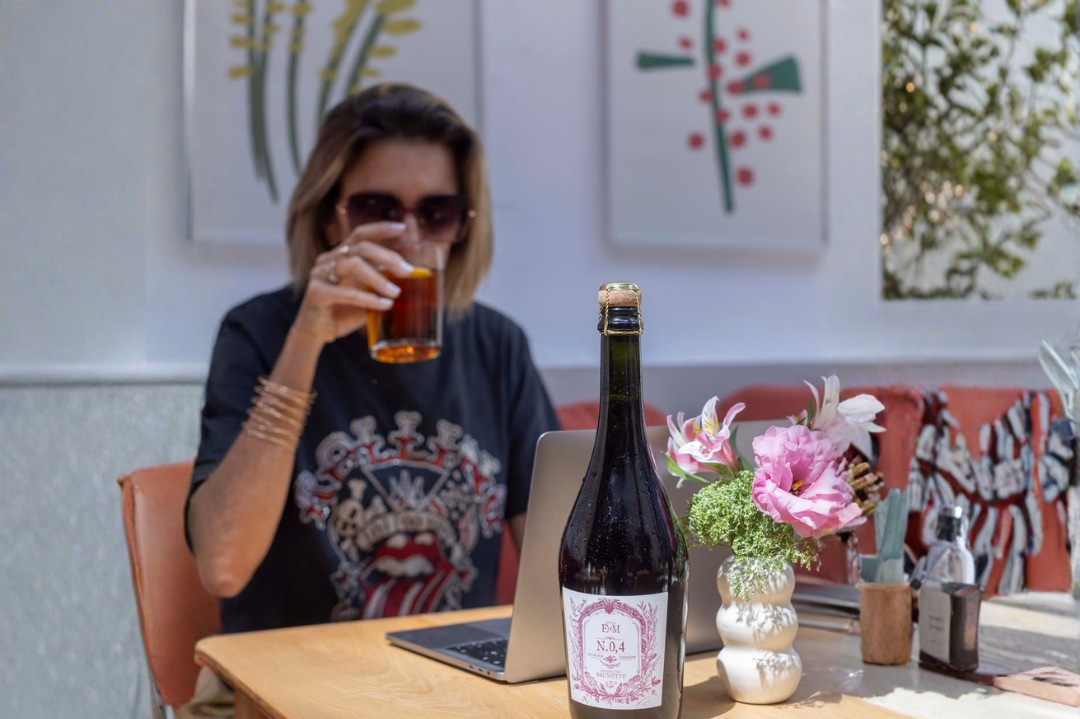
Not so long ago, talking about alcohol-free wine sounded like a contradiction. Today, it’s part of a global conversation spanning gastronomy, culture and new ways of socializing. NoLo wines—no alcohol or low alcohol—have moved beyond novelty to become a growing trend within the wine world, now appearing on restaurant lists, at specialized fairs and on carefully curated shelves. This isn’t about removing wine from the table, but about adding options: drinking less, drinking better, or choosing when to say yes and when to say no—without giving up the ritual of the glass, the toast or the pleasure of sharing. Enjoyment remains central, even if it’s no longer necessarily tied to alcohol.

Domaine Elena
Alcohol-free wine: keeping the ritual without the alcohol
In this new context, alcohol-free wine offers something essential: belonging to the moment. Glasses, toasts, pairings, lingering conversations after the meal—all of it is still there. In markets like Europe and the United States, major traditional wineries are already developing dedicated lines, investing in dealcoholization technology and crafting increasingly refined sensory profiles. The category is still young, but it’s moving fast: better flavor, more identity, and less of a “functional product” feel.
Why more people are choosing alcohol-free and low-alcohol wines
The NoLo boom can be explained by several factors: Generation Z drinks less alcohol than any generation before it; even moderate consumption is being questioned; and a way of enjoying wine that doesn’t sacrifice clarity, energy or next-day performance is gaining ground (yes, hangovers too).

Finca Flichman
That doesn’t mean alcohol-free wine isn’t still controversial—especially among traditionalists. Criticism often focuses on flavor: alcohol provides body, texture and length, and its absence is noticeable. There are also debates around naming, identity and an uncomfortable question that lingers in the air: to what extent is it still wine?
You may also be interested in: Orange wines—10 bottles to discover this trending style
But as with specialty coffee, craft beer or alcohol-free cocktails, time and quality usually help settle the discussion.

Domaine Elena
Is alcohol-free wine here to stay?
Probably a bit of both. Some labels will disappear; others are here for the long haul. But the shift in habits seems to go beyond a passing trend. NoLo wine isn’t here to replace traditional wine—it’s here to coexist with it, to expand the range of moments and offer alternatives without giving up pleasure.
And in a province like Mendoza, where wine is identity, landscape and culture, the question isn’t whether NoLo exists, but how it’s made, with what criteria and with what honesty.
Mendoza and alcohol-free wine: how a traditional region adapts
Alcohol-free wine doesn’t ask permission: it moves forward, disrupts, makes mistakes, improves and tries again—like any cultural transformation. That may be the most interesting part: not debating whether it’s wine or not, but what it says about us, about how we want to toast today, and the place enjoyment holds in our lives.
While in Argentina—especially in Mendoza—the market is still developing, some wineries have already moved ahead and are actively shaping this change. Here’s a selection of eight alcohol-free, low-alcohol and kindred proposals that fully embody the NoLo spirit.
8 Mendoza wines without alcohol (or with low alcohol)
Dining and Cooking