
 4 min read
There’s a reason people (myself included) spend all year waiting for tomato season. As farmers’ markets fill with colorful heirlooms, juicy beefsteaks, and sweet cherry tomatoes, this beloved fruit reaches its peak, bursting with flavor and endless possibilities.
Sure, tomatoes are available year-round, but there’s nothing quite like summer tomatoes. They’re in a league of their own: sweeter, more vibrant, and so delicious that sometimes the best preparation is simply a sprinkle of salt and a drizzle of olive oil.
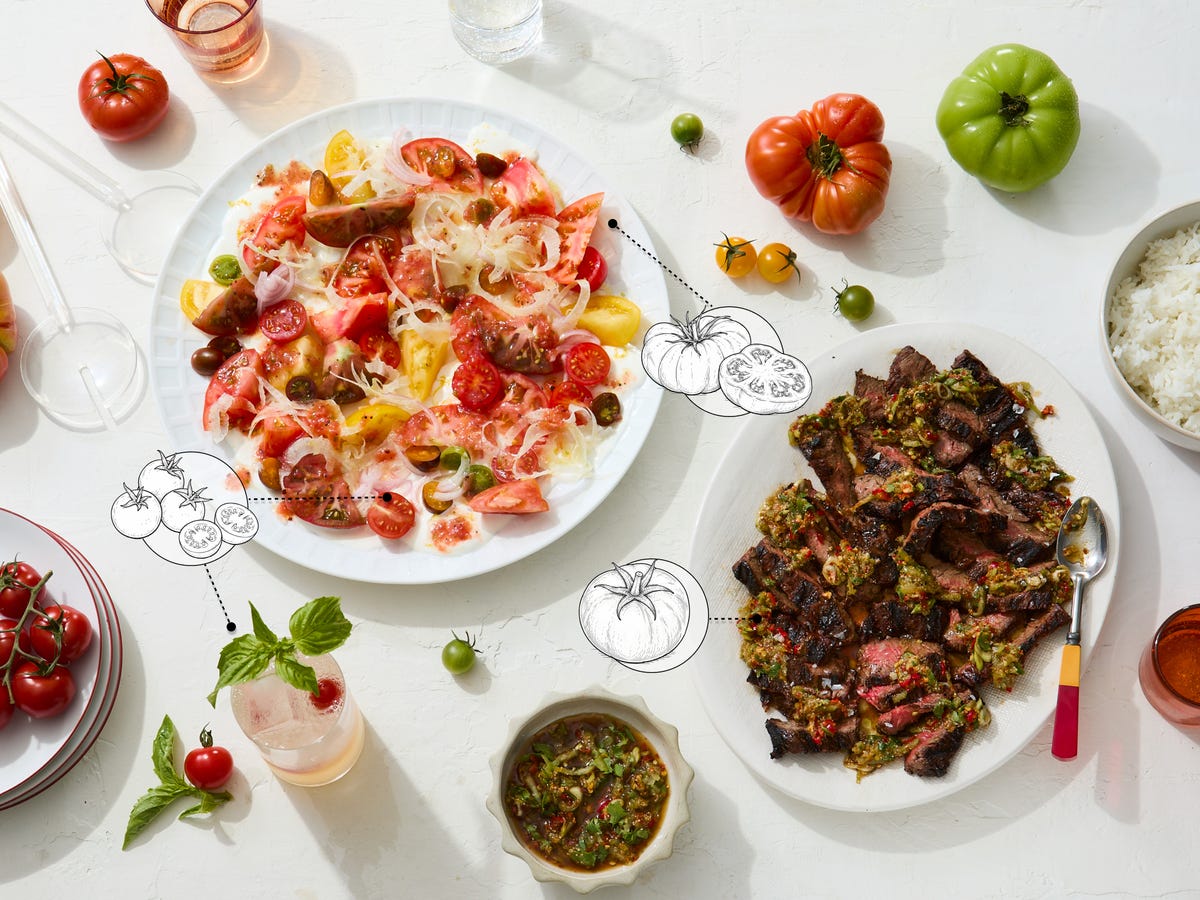
Whether you’re layering tomatoes onto sandwiches, tossing them into salads, simmering them into sauces, muddling them into a cocktail, or enjoying them straight from the garden, now is the time to make the most of tomatoes. To inspire your tomato-rich cooking, we tapped chefs and food pros for their favorite recipes starring this summer staple. Plus, the Good Housekeeping Test Kitchen shares expert tips for choosing, storing, and prepping tomatoes for maximum flavor.

First, a quick guide to the varieties you’ll find at this time of year:
Types of tomatoes
Cherry and grape tomatoes
These are basically interchangeable, but cherry tomatoes—which are roughly the size and shape of their namesake fruit—have slightly thinner skins and higher moisture content than grape tomatoes, which are denser and meatier. If you can find Sun Golds, make sure to scoop up a few pints: With their rich orange hue and intensely sweet bouquet, these gems are a true summer treat.
Some of our favorite ways to eat cherry and grape tomatoes (other than snacking) include: roasted to sweet, jammy perfection; marinated and tossed with pasta or spooned over bruschetta; and baked into savory tarts and focaccia.
Campari
Often sold still attached to the vine, these midsize tomatoes tend to have more flavor and fragrance than typical grocery store varieties (especially in the offseason). Like cherry and grape tomatoes, Campari tomatoes are just as suitable for salads and salsas as they are to snacking on in their raw form.
Plum
Plum tomatoes—a category that includes such cultivars as Roma and San Marzano—contain less water and fewer seeds than many other varieties (hence their alternate name, “paste” tomatoes). Meaty, sweet, and low in acid, they’re excellent for adding to sauces, curries, or any other dish in which you want lots of concentrated flavor but not a ton of liquid.
While they taste lovely raw, we’re partial to using plum tomatoes in a tomato and eggplant shakshuka or a fresh, summery pasta sauce. If you’re the type to do your own canning, these are the tomatoes to look for (many farmers’ market vendors will even give you a deal if you buy in bulk).
Beefsteak
True to their name, beefsteak tomatoes are ideal for slicing into thick, meaty slabs. And while many people associate the name with tomatoes that are uniformly red, there’s no single tomato variety known as a beefsteak tomato; rather, the title refers more generally to tomatoes with a large, round shape that can be easily sliced (heirloom cultivars such as Brandywine and Kellogg’s Breakfast are considered beefsteaks, for example). Regardless of their color, these summer treats are a BLT’s best frien as well as an excellent base for a panzanella or a caprese salad.
Heirloom
Heirloom tomatoes are in a category unto themselves. You’ll find them in a rainbow of hues, from rich purple-black to fiery red-orange, with an equally dazzling array of flavor profiles: Some are smoky and complex, while others are sweet and fruity.
Because of their beauty and delicate aroma—not to mention their hefty price tag—heirlooms are best served raw or lightly marinated, ideally topped with buttery mozzarella di bufala or burrata.
Need help navigating the heirloom options at your local farmers’ market? Here are a few of the most common varieties.
Brandywine: Beefsteak-size with deep pinkish-red skin and a balanced, sweet flavor.
Purple Cherokee: Beefsteak-size with deep brownish-red skin and a complex sweet, smoky flavor.
Green Zebra: Small to medium in size with green- and yellow-streaked skin and a tangy, citrus-like flavor.
Yellow tomatoes: You’ll find yellow-skinned tomatoes in all shapes and sizes, from cherry and grape to giant beefsteak. Yellow tomatoes are often sweet, mild, and less acidic than red ones.
Green tomatoes: In contrast to naturally green heirloom varieties such as Green Zebra, a green tomato is simply any variety of tomato when it has not yet reached peak ripeness. Green tomatoes are quite sour, so we don’t recommend eating them raw—however, since they’re much firmer than ripe tomatoes, they hold up well to breading or battering and deep frying as well as pickling.
 What to look for when buying
Whether you’re at the farmers’ market, a roadside stand, or the grocery store, buying a good tomato comes down to paying attention. A few easy checks can help you find the juicy, flavorful ones and avoid the disappointing ones.
Feel it, don’t squeeze it
No need to give a tomato a squeeze, even if it is a small one (you’ll bruise it). Just pick it up and feel its weight in your hand. A good tomato should feel heavy for its size and should be firm with a little give—not hard as a baseball, and not soft enough for your touch to leave an indentation.
Take a sniff
Smell the tomato near its stem. A ripe tomato should have a fresh, sweet, garden-like aroma. If you have to work to smell anything at all, its flavor probably isn’t going to knock your socks off; it could benefit from some additional ripening time, or it just might not be tasty.
Scan the skin
Look for smooth skin, a vibrant color, and an overall healthy appearance. Avoid tomatoes with large bruises, deep cracks, wrinkled spots, or pale patches near their stems. Heirlooms get a pass for being a little quirky-looking, but they should still look vibrant and healthy.
Try them all
Red tomatoes are just the beginning. Each color comes with different flavor characteristics. The only way to know which ones you like or love is to try a few; after all, tomato season doesn’t last forever.
How our pros cook with fresh tomatoes
We asked some of our favorite chefs and food personalities to share how they make the most of peak-season tomatoes and a few unexpected ways to showcase their flavor.
Hannah Chamberlain
Take tomatoes to the bar: Cocktail influencer and author Hannah Chamberlain loves tomatoes for their versatility and says their sweet side deserves more attention, especially when it comes to drinks.

“As a kid, I’d eat sweet cherry tomatoes by the handful. This cocktail captures that just-picked flavor—bright, delicate, and slightly savory—blended with citrus and bubbles for a crisp, refreshing drink.”
Try this too: Skip the olives and garnish a dirty martini with cherry tomatoes stuffed with goat cheese, balsamic vinegar, cracked black pepper, and flaky salt.
Chuck Cruz
Go green: Recipe developer Chuck Cruz reaches for green tomatoes early in the season, using their tartness and freshness to enliven bold dishes. Their crisp texture and lively acidity make them especially useful in sauces and condiments, where they can cut through rich flavors and add welcome contrast.

“Grated green tomato adds a fresh, vibrant layer to this crying tiger sauce, balancing its punchy, acidic, spicy flavor. It’s a simple twist that makes the dish feel right for early grilling season.”
Try this too: Use fresh tomato juice from peak-season tomatoes to make a tomato shandy, or grate green tomatoes into vinaigrettes and sauces for a bright, tangy kick.
Eitan Bernath
In season, stock up: Celebrity chef, cookbook author, and influencer Eitan Bernath believes that great tomatoes deserve to take center stage. Rather than treating them as just one ingredient in a dish, he layers their flavor in multiple forms, showcasing their versatility.

“I was inspired by a dish I had at Shmoné in New York City that piled tomatoes over gazpacho. I double down on tomatoes here too, using them in the salad and the dressing, then serving it all over creamy labneh.”
Try this too: Turn ripe tomatoes into tomato jam or even tomato sorbet with olive oil. And if you’re serving tomatoes raw, never refrigerate them—cold temperatures can leave them mealy and dull their flavor.
Check out the recipes here
How to prep tomatoesHow to Slice a Tomato
1.
Place the tomato on its side on a cutting board. Holding the stem end, use a serrated knife or another very sharp knife to slice the tomato crosswise to your desired thickness.

2.
When you reach the stem end, use the tip of the knife to cut around the core at an angle, then discard the core.
How to Cut a Tomato Into Wedges
1.
Stand the tomato upright with the stem facing up. Using a serrated knife or another very sharp knife, cut straight through the stem to halve the tomato.

2.
Use the knife to make two diagonal cuts on each side of the core of each half to remove it.
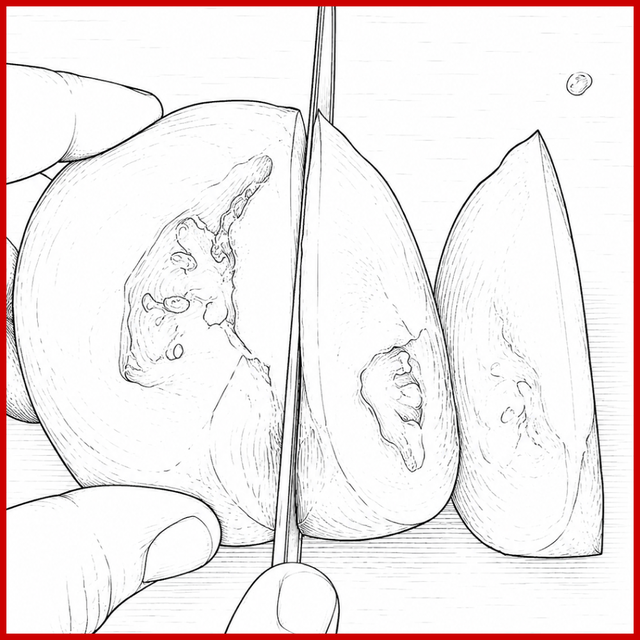
3.
Cut each tomato half lengthwise into wedges of your desired thickness.
How to Cut a Tomato Into Pieces
1.
Stand the tomato upright with the stem facing up. Using a serrated knife or another very sharp knife, cut straight through the stem to halve the tomato.
2.
Use the knife to make two diagonal cuts on each side of the core of each half to remove it.

3.
Cut each tomato half lengthwise into wedges, then cut across the wedges to create bite-size pieces.
Photographs: Mike Garten. Food styling: Tina Martinez. Prop styling: Lis Engelhart. Illustrations: Laura Formisano/AI. Chef headshots: SpiritedLA (Chamberlain); Scott Rossi (Cruz); Eric Vitale (Bernath).
Dining and Cooking