

Cooking goes far beyond preparing meals. For many people, it’s a form of creativity, self-care, and even a way to explore new cultures. And, just as a good recipe can be passed down from generation to generation, gastronomy books preserve stories, techniques, and traditions that help any cook — beginner or experienced — grow in the kitchen.
(Magnific/Divulgação)
There are titles that teach everything from the fundamentals of cooking to the science behind food, as well as works that show how food is deeply connected to culture, memories, and everyday life. If you enjoy trying out recipes, understanding ingredients, or simply find inspiration in the gastronomic universe, it’s worth setting aside space on your bookshelf for these reads.
1. Larousse Gastronomique

Larousse Gastronomique: The World’s Greatest Culinary Encyclopedia. (Clarkson Potter Publishers/Divulgação)
Considered a true encyclopedia of cooking, Larousse Gastronomique is one of the most comprehensive gastronomy books ever published. The work brings together thousands of entries on ingredients, techniques, utensils, chefs, and traditional preparations from different countries. It’s the kind of book to consult whenever a doubt arises or when you want to deepen your knowledge, becoming an indispensable reference for anyone who wants to cook with more confidence and repertoire.
2. Salt, Fat, Acid, Heat, by Samin Nosrat

Sal, gordura, ácido, calor: Os elementos da boa cozinha. (Companhia de Mesa/Divulgação)
More than just teaching recipes, Samin Nosrat explains how four elements — salt, fat, acid, and heat — influence practically any preparation. By understanding these principles, the reader begins to cook in a much more intuitive way, adjusting flavors and textures without relying exclusively on ready-made recipes. The book combines accessible language, didactic illustrations, and practical examples that help build confidence in front of the stove.
3. The Physiology of Taste, by Jean Anthelme Brillat-Savarin

A Fisiologia do Gosto. (Companhia de Mesa/Divulgação)
Originally published in the 19th century, this classic remains relevant for discussing gastronomy from a philosophical and cultural perspective. Brillat-Savarin reflects on pleasure, food, behavior, and society, showing that eating involves much more than simply nourishing the body. It’s an ideal read for those who enjoy understanding the history of cooking and the way it influences different aspects of everyday life.
4. Todas as Sextas, by Paola Carosella

Todas as Sextas. (Melhoramentos/Divulgação)
In this book, Paola Carosella brings together chronicles, memories, and reflections that show how food is present in relationships, in memories, and in the small rituals of everyday life. Instead of focusing only on recipes, Todas as Sextas invites the reader to see gastronomy as a form of affection, sharing, and cultural expression. The reading is light, sensitive, and inspiring, ideal for those who believe that cooking is also a way of telling stories and creating connections at the table.
5. On Food and Cooking, by Harold McGee

On Food and Cooking: The Science and Lore of the Kitchen. (Scribner Book Company/Divulgação)
For those who enjoy understanding food science, this work is practically mandatory. Harold McGee explains how ingredients react to heat, which chemical processes occur during preparation, and why certain techniques work better than others. Although quite detailed, the book helps the reader understand the logic of cooking, making it easier to adapt recipes and solve problems during preparation.
6. Mastering the Art of French Cooking, by Julia Child

Mastering the Art of French Cooking. (Knopf Publishing Group/Divulgação)
Julia Child was responsible for popularizing French cuisine among the general public, and her book remains a reference decades after its release. The author teaches classic techniques with detailed explanations and encourages readers to cook without fear of making mistakes. Even those who don’t intend to prepare French dishes regularly will find in this work an excellent foundation for developing skills that can be applied to a variety of recipes.
7. Jerusalem, by Yotam Ottolenghi and Sami Tamimi
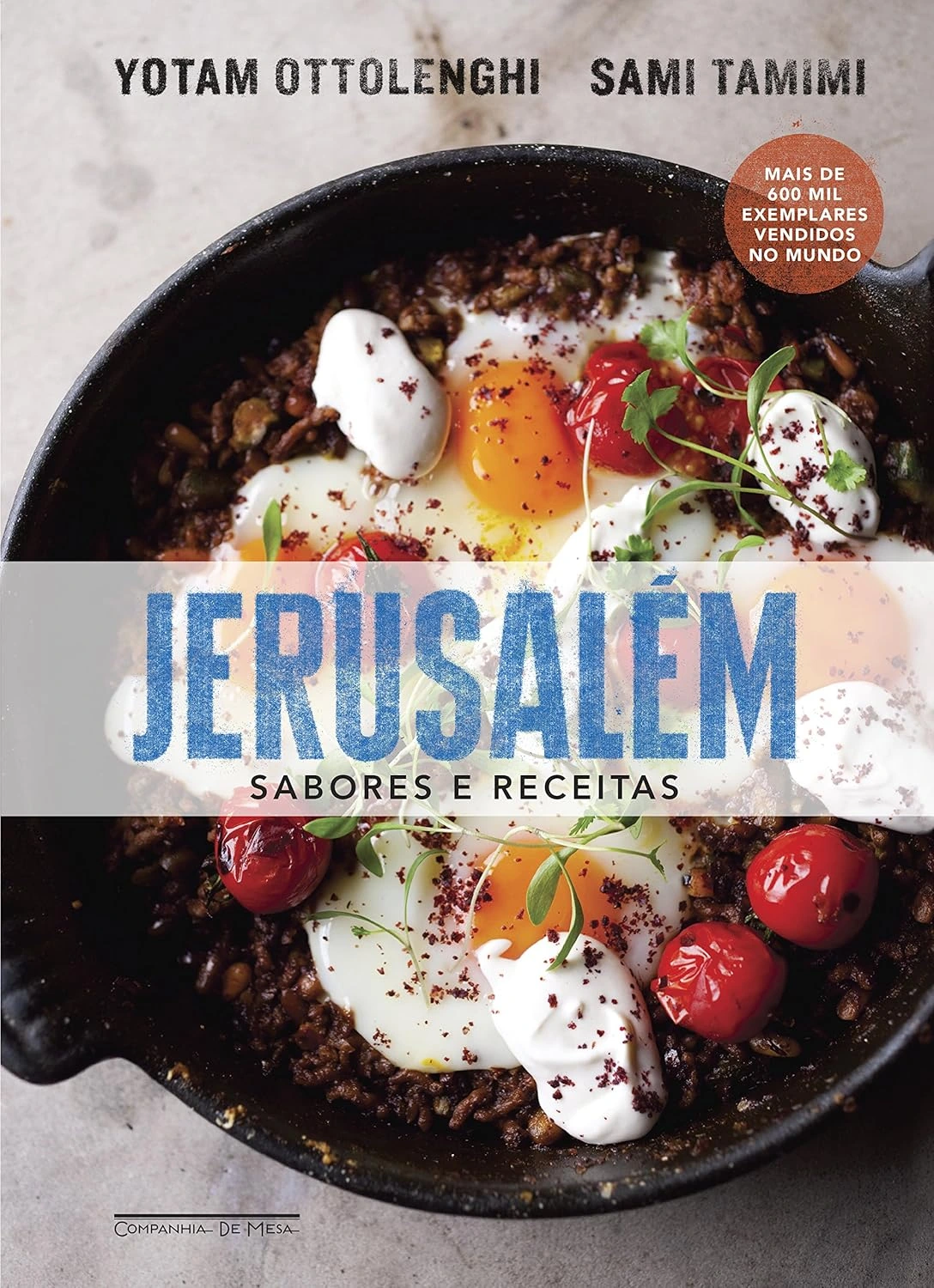
Jerusalém: Sabores e receitas. (Companhia de Mesa/Divulgação)
Much more than a cookbook, Jerusalem presents ingredients, aromas, and traditions that reflect the cultural richness of the city. The recipes highlight vegetables, spices, grains, and typical Middle Eastern preparations, showcasing surprising flavor combinations. It’s a great option for those who want to broaden their culinary repertoire and try different ingredients in everyday cooking.
8. Panelinha: Recipes That Work, by Rita Lobo

Panelinha receitas que funcionam. (SENAC/Panelinha/Divulgação)
Focused on everyday cooking, this book shows that it’s possible to prepare tasty, balanced, and practical meals without complication. Rita Lobo presents tested recipes, organization tips, and guidance that help even those with little kitchen experience. It’s an especially interesting read for those who want to cook more at home and establish a food routine based on preparations made from scratch.
9. Le Cordon Bleu’s Complete Cooking Techniques, by Jeni Wright and Eric Treuille

Todas as técnicas culinárias. (Le Cordon Bleu/Marco Zero/Divulgação)
Produced by the traditional French school Le Cordon Bleu, this book is a true guide for those who want to master the fundamental techniques of cooking. The work presents hundreds of preparations explained step by step, with photographs that facilitate learning, and teaches everything from cuts, sauces, and pastas to cooking methods and pastry making. It’s an excellent reference both for beginner cooks who want to build a solid foundation and for those who already have experience and wish to refine their skills with classic culinary techniques.
CASACOR Publisher is an exclusive content creation agent, developed by the CASACOR Technology team based on the knowledge base of casacor.com.br. This text was edited by Chrys Hadrian.
traduzido por: OPENROUTER
Dining and Cooking