

 4 min read
Key Points
 We asked professional chefs and butchers to share the most flavorful cuts of beef.Some of the top picks were premium cuts like ribeye and New York strip.The experts also mentioned affordable options like bavette, skirt, and flat iron steaks.
It’s no secret that food is expensive right now. The average cost of steak alone has increased by 51 percent over the past decade, outpacing inflation. So, if you’re adding beef to your grocery list, you want to make sure it’s worth the money.
We asked butchers to share their tips for picking the best-tasting beef, from splurge-worthy steakhouse cuts to more affordable options that still deliver major flavor. Here’s what they had to say.
What To Consider When Buying Beef
wulingyun//Getty Images
The quality and taste of a particular steak depend on more than just the cut you choose.
“Breed, genetics, diet, age, finishing practices, aging, and even how the beef is handled after harvest all contribute to the flavor profile,” says Michele Thorne, Executive Director of the Good Meat Project.
Many butchers, including Yoko Koide, Head Butcher at Marlow & Daughters, prefer meat that’s pasture-raised, grass-fed, and grass-finished.
“Beef that grazes outside, moves around, and eats a variety of grasses and plants is going to have more flavor,” she says.
That said, your preferred steak may vary. “Grain-fed beef delivers the rich, buttery, slightly sweet flavor many Americans associate with a classic steak. Grass-fed beef tends to be leaner with a more mineral-forward, earthy taste,” says Chef Antonio Iocchi, Senior Vice President of F&B Innovation at Fogo de Chão. “Neither is necessarily better, it just comes down to personal preference and the quality of the feed.”
You can also buy steak that’s grass-fed and grain-finished, which Iocchi says has a more “balanced” flavor profile. Thorne adds that the corn and soy feed given to grain-finished cows helps the meat develop more marbling, which “might give it that textbook ’beefy’ flavor.”
To make the most informed final decision, your best bet is to rely on the experts.
“Whether you’re buying from a local butcher, farmers market, or grocery store, don’t be afraid to ask questions,” says Thorne. “Knowing who raised your food and how it was produced tells you far more than most marketing claims on the package.”
To get you started, here are the cuts experts recommend for the most flavorful steaks.
Ribeye
Roxiller//Getty Images
The top pick for the best-tasting beef was nearly unanimous.
“If you’re looking for maximum flavor, ribeye is the king,” says Iocchi. “Its generous marbling makes it incredibly forgiving to cook while delivering rich, beefy flavor.”
Ribeye comes from the rib primal cut, which is known for its tenderness and higher fat content. Chef Robert Sisca, Chef Partner of Himmel Hospitality Group, has long considered ribeye his favorite cut of steak overall.
“When it’s high quality, the rich fat melts in your mouth, creating an incredible eating experience,” he says.
Because of its fine muscle grain and streaks of marbled fat, ribeye is also more forgiving to cook than some leaner cuts.
“Ribeye is also incredibly versatile and can be cooked successfully on a grill, in a cast-iron skillet, in the oven or even in an air fryer, depending on the equipment you have available,” says William Eck III, In-House Meat Expert at Verde Farms.

Add Delish as a preferred source in your Google search results.
Use your Google account to add this to your settings.

Add to Google settings
New York Strip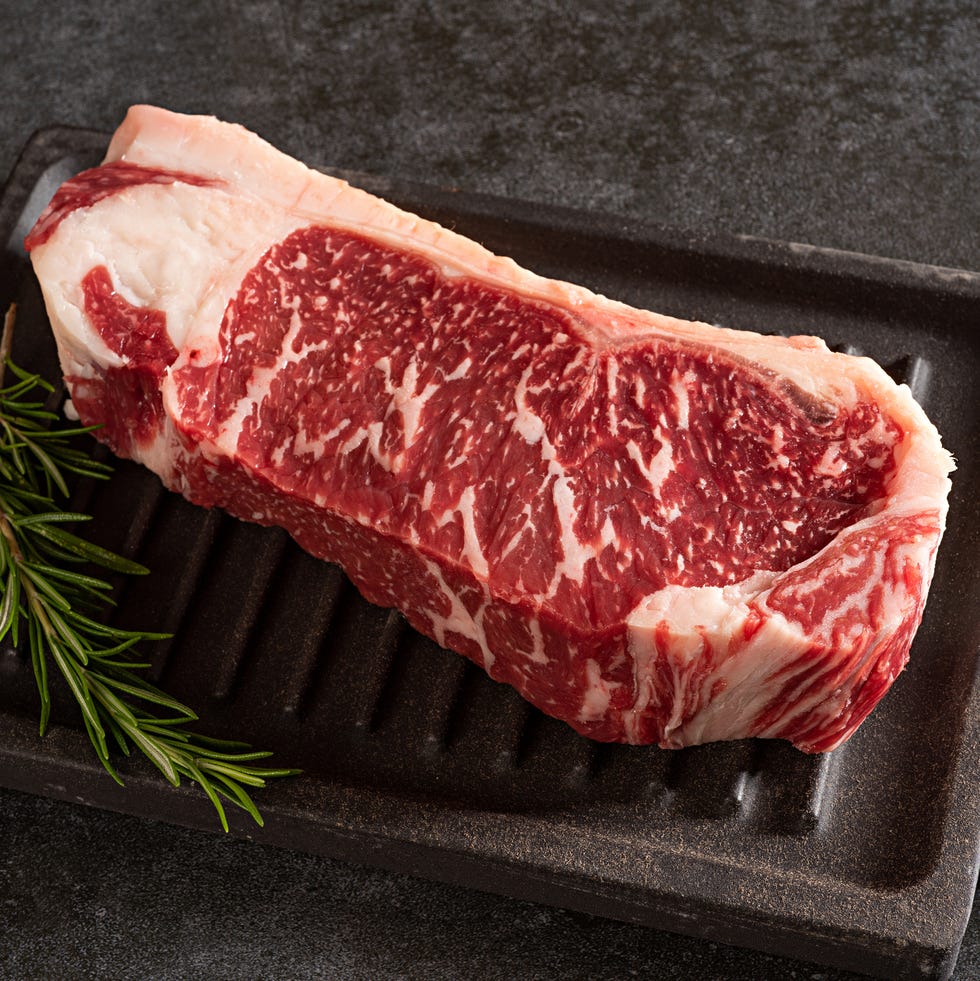
Burcu Atalay Tankut//Getty Images
While Sisca can still appreciate a good ribeye, he’s crowned another cut as his current favorite: the New York strip.
“When you can find a well-marbled Prime NY strip, I think it’s the better cut,” he says. “It offers outstanding flavor while maintaining a firmer, meatier texture that I really enjoy.”
On the cow, a New York strip sits right next to the tenderloin. But compared to tenderloin, a strip steak is less tender and more flavorful, thanks in part to the thick fat cap on top, which also helps protect the meat from overcooking.
Iocchi describes the cut as “well-balanced,” while Eck says it delivers “outstanding flavor.”
Bavette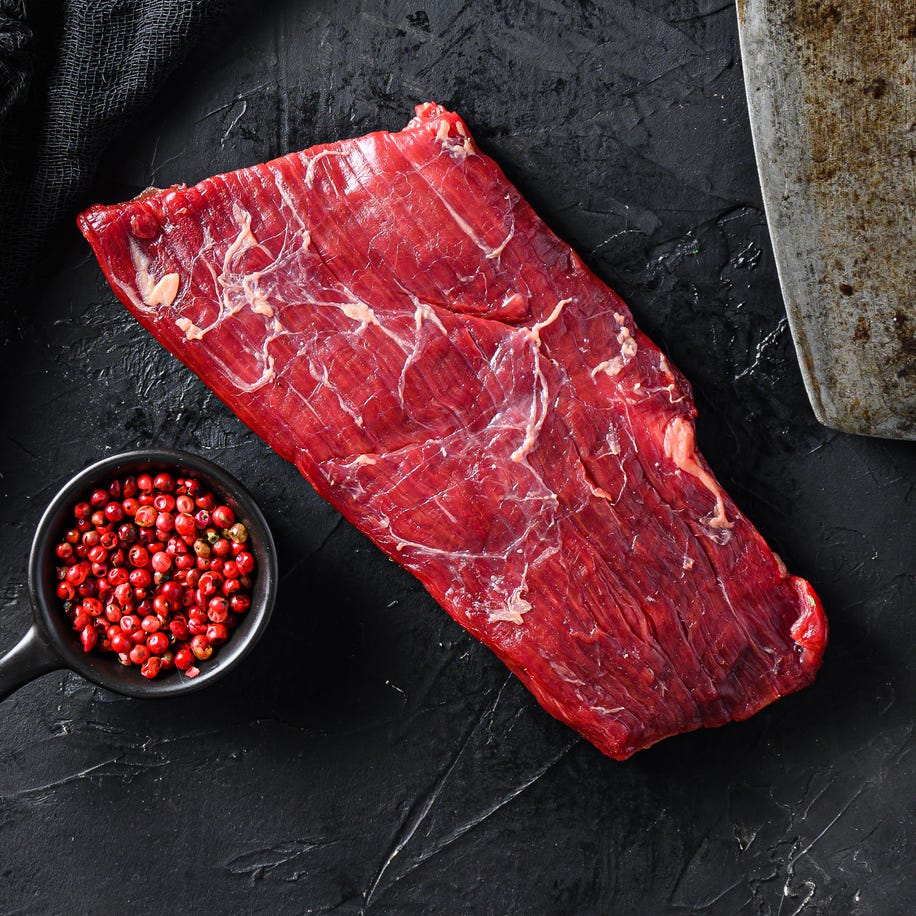
Ilia Nesolenyi//Getty Images
Ribeye and New York strip may be premium picks, but there’s a whole other world of steak that’s both flavorful and more affordable.
“A lot of flavor comes from muscles that do a little more work, but they often deliver a deeper, beefier eating experience,” Koide says.
Bavette, also known as flap steak, is one of those cuts. It’s sourced from the bottom sirloin, the same general area as tri-tips. Bavette steaks are long and thin, with a coarser grain and more noticeable chew than tender premium cuts. But when cooked properly and sliced against the grain, this lean steak packs some major flavor.
In fact, its nickname is “the butcher’s cut,” because meat purveyors have often kept this cut for themselves.
Skirt Steak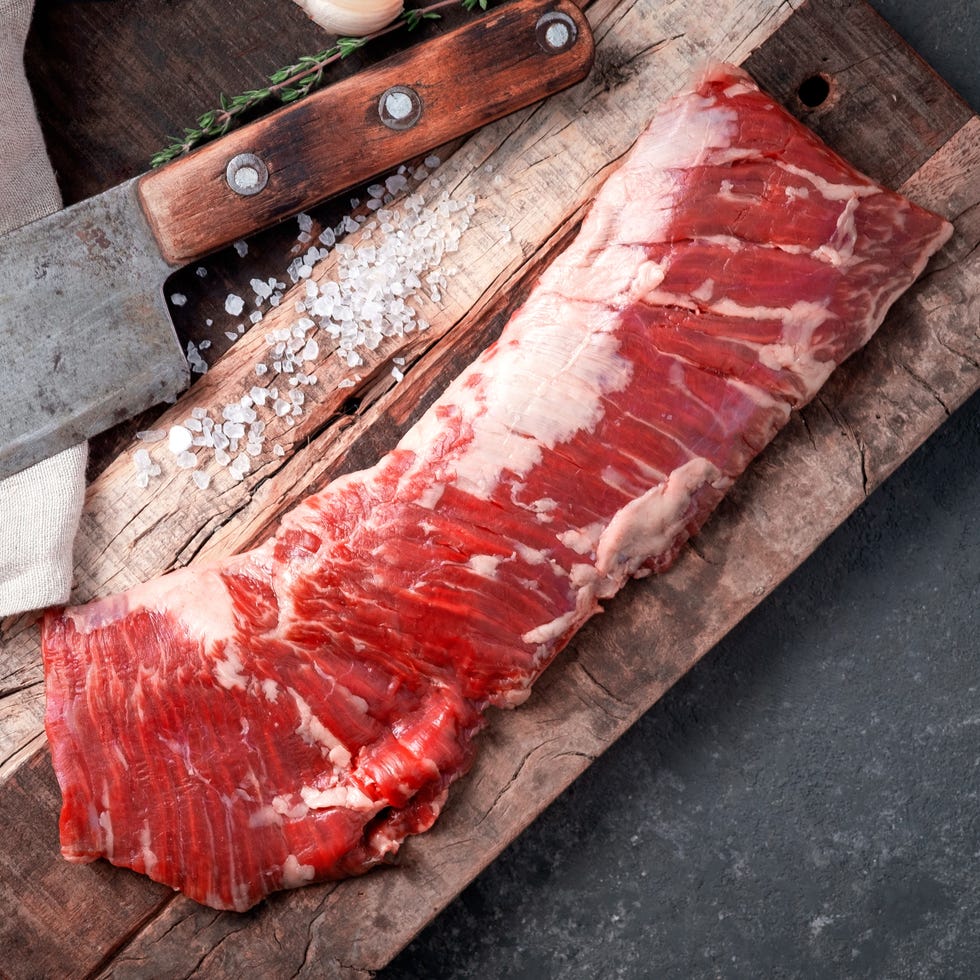
Andrei Iakhniuk//Getty Images
Another affordable cut with an intensely meaty flavor is skirt steak, which comes from the plate region of the cow, the same area where you’ll find short ribs.
Like bavette, skirt steak is a long, flat piece of meat with a buttery, beefy flavor. Its muscle fibers are also fairly pronounced, so proper cooking and slicing are key.
Skirt steak is also notable for how well it absorbs marinades, making it an ideal choice for tacos and fajitas.
Flat Iron
Vladimir Mironov//Getty Images
Flat iron steak offers some of the best flavor and value you can find behind a butcher counter. It’s cut from the chuck, or shoulder area, where many low-and-slow roasts also come from.
Despite coming from a well-exercised muscle, flat iron is well marbled and tender. It’s often considered the second most tender cut on the cow, right behind tenderloin.
But unlike filet mignon, flat iron also has an intense beef flavor, making it a strong choice if you want tenderness without sacrificing that classic steak taste.
Dining and Cooking