

Medically reviewed by Simone Harounian, MS
Strawberries are a rich source of vitamin C, with a cup providing up to 84.7 milligrams (about 94% of the Daily Value).
Foods like acerola cherries, guavas, chili peppers, and mustard spinach offer higher amounts of vitamin C than strawberries.
Experts recommend adults consume about 90 milligrams of vitamin C daily.
Strawberries get a lot of attention for their vitamin C content, but other foods provide even more. Several fruits and vegetables can help you meet your daily vitamin C needs.
Your body can’t make or store this essential nutrient, so getting enough from your diet is important for supporting your overall health.
1. Acerola Cherries
Credit: Premyuda Yospim / Getty Images
Vitamin C content: 1,650 milligrams (mg), 1,833% of the DV
Also known as Barbados cherry, acerola is a pleasant-tasting fruit rich in vitamin C. It is also rich in antioxidants and bioactive compounds like phenolics, flavonoids, carotenoids, and anthocyanins.
Other important nutritional components of this fruit include:
Soluble and insoluble fiber
Minerals like potassium, calcium, and magnesium
Acerola cherries also have polysaccharides, which are a long chain of sugar molecules considered more beneficial than simple sugars because they gradually release glucose, allowing for more sustained energy release. Polysaccharides are also good for gut and metabolic health.
Because of their rich nutritional profile, consuming acerola cherries can benefit your body and health in different ways, including reducing free radicals that damage cells, lowering inflammation, and promoting gut health and immune function.
2. Rose Hips
Credit: Westend61 / Getty Images
Vitamin C content: 541 mg, 601% of the DV
Rose hips are highly nutritious, edible fruits of the rose plant. People commonly consume them by processing and boiling them into a tea. You may also find it as a food ingredient in jams, syrups, and soups.
Besides vitamin C, rose hips are also a good source of:
Rose hips are also touted for their medicinal benefits, including potential use in managing conditions such as diabetes, inflammatory disorders, arthritis, diarrhea, skin disorders, and obesity.
3. Guavas
Credit: HUIZENG HU / Getty Images
Vitamin C content: 376 mg, 418% of the DV
Aside from its vitamin C content, guavas also contain several macro- and micronutrients, including:
Guava also contains bioactive compounds, such as flavonoids and saponins.
Due to its nutritional profile, the guava plant has attracted researchers for its health benefits and potential use in managing conditions such as high blood pressure and diabetes.
4. Chili Peppers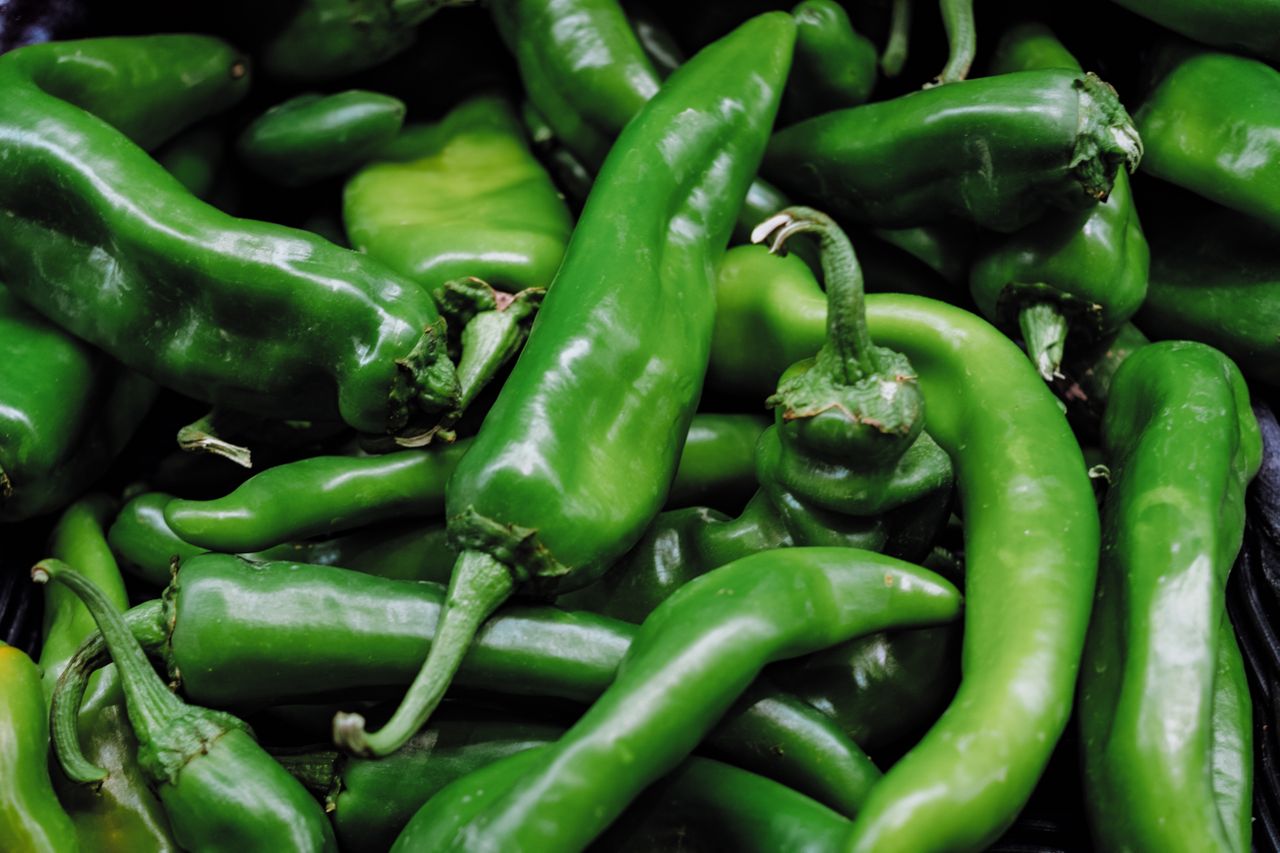
Credit: Grace Cary / Getty Images
Vitamin C content: 364 mg, 404% of the DV
Serving size: 1 cup of green chili peppers, raw, chopped or diced
While green chili peppers have more vitamin C, red chili peppers also contain more of the nutrient than strawberries. A cup of red chili peppers contains about 216 milligrams of vitamin C.
Chili peppers are rich in bioactive compounds, including flavonoids, catechins, carotenoids, and lutein. These bioactive chemicals offer numerous health benefits, including antioxidant properties, and are linked to reduced risk of certain chronic health conditions.
Researchers are studying the potential benefits of capsaicin, a major ingredient contained in chili peppers. Capsaicin is associated with reduced inflammation and a lower risk of cardiovascular diseases.
5. Mustard Spinach
Credit: macbrianmun / Getty Images
Vitamin C content: 195 mg, 217% of the DV
Serving size: 1 cup, chopped
Mustard spinach is a leafy green vegetable that is also a great source of:
6. Oranges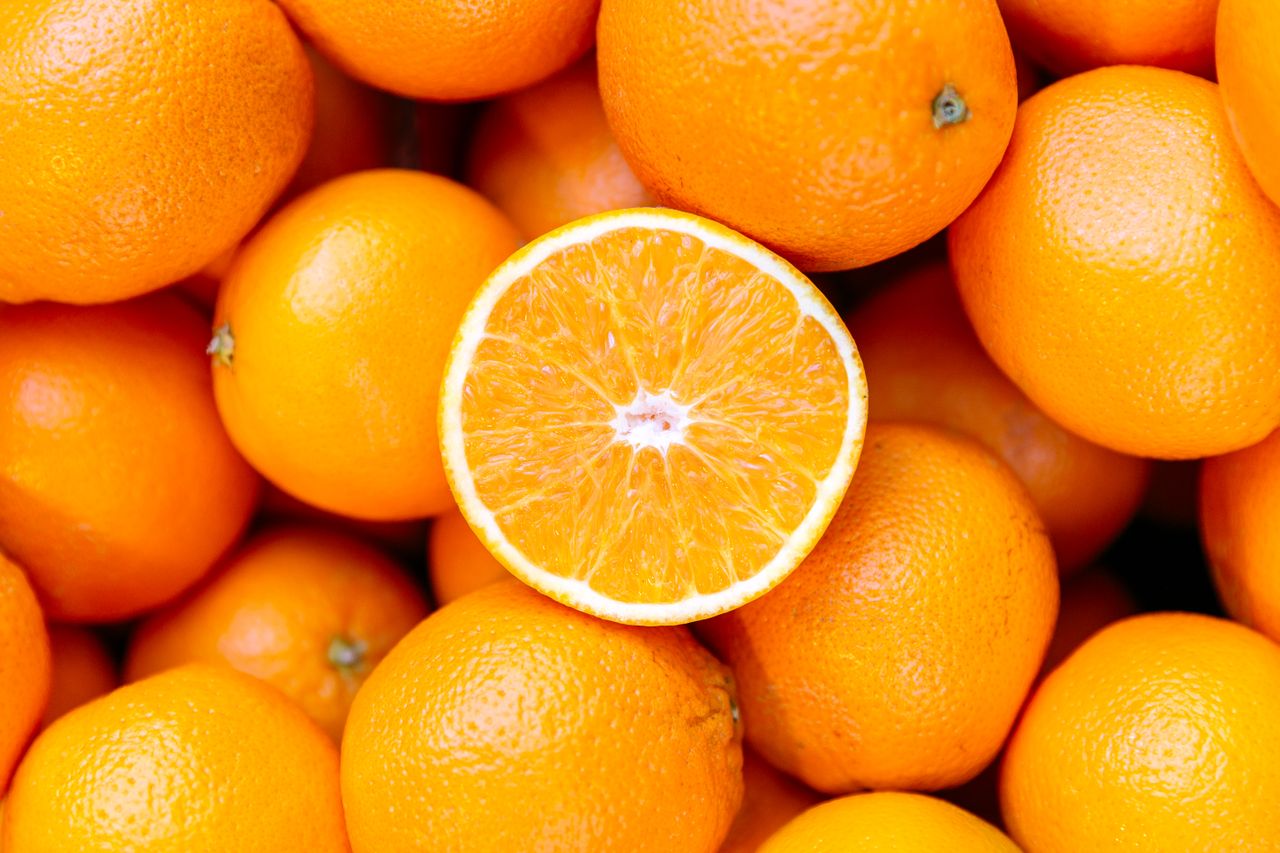
Credit: Alexander Spatari / Getty Images
Vitamin C content: 95.8 mg, 106% of the DV
When it comes to vitamin C intake, citrus fruits like oranges are a solid choice.
Oranges are also a powerhouse of other nutrients, including:
Carbohydrate and dietary fiber
Oranges are versatile fruits you can eat whole, blend into your smoothie, add to your desserts and salads, or take as a juice to boost your nutritional intake.
How Much Vitamin C Do You Need?
The general DV of vitamin C for adults is 90 milligrams.
When considering factors like age and life stage, the average daily level of intake sufficient to meet vitamin C requirements—known as the recommended dietary allowance (RDA)—varies:
Children aged 1-3 years: 15 mg
Children aged 4-8 years: 25 mg
Children aged 9-13 years: 45 mg
Children and teenagers aged 14-18 years: 65 mg (females), 75 mg (males)
Adults aged 19 or older: 75 mg (females), 90 mg (males)
People who are pregnant: 80-85 mg
People who are breastfeeding: 115-120 mg
While you can exceed the RDA, health experts advise against exceeding 2,000 milligrams of vitamin C per day— and even lower limits apply for children. Before giving your child vitamin supplements, consider speaking to their doctor about the age-appropriate dose.
Very high doses of vitamin C can cause unpleasant effects, such as gastrointestinal disturbances.
Read the original article on Health
Dining and Cooking