
 4 min read
 Key Points
 Food pros agree: Chef Dan Barber, content creator Violet Witchel, and The Bear’s culinary producer Courtney Storer all swear by white balsamic vinegar for adding brightness, sweetness, and balance without overpowering a dish.Why it’s different: Unlike traditional balsamic, white balsamic enhances vegetables, beans, chicken, and salads without darkening them or masking their natural flavors.How to use it: This once chef-only ingredient is now easy to find—and works in everything from vinaigrettes and marinades to bean salads, grilled vegetables, and even cocktails like La Petite Maison’s signature Tomatini.
Hot honey had its moment. Chili crisp is practically a food group. And now, after talking to two very different food stars back-to-back, I’m convinced I know what pantry staple is next in line.
When I interviewed Courtney Storer—the culinary producer behind The Bear—about grilled chicken, I asked what ingredient she reaches for most in her own kitchen.
“My go-to recently is white balsamic vinegar,” she told me.
A couple of weeks later, I was chatting with Violet Witchel, better known as the Dense Bean Salad Girl. When I asked about her favorite vinegar, her answer was immediate: “I have been so obsessed with white balsamic.”

jayk7//Getty Images
Coincidence? Maybe. But when two people with different cooking styles independently name the same pantry staple, that’s a trend I can’t ignore.
The more I dug, the more white balsamic kept turning up—from one of the country’s most celebrated vegetable chefs to a signature cocktail served around the world. If you haven’t picked up a bottle yet, here’s why you probably will soon.
It’s basically a vegetable whisperer
To understand why chefs love white balsamic, I went straight to Dan Barber, chef and co-owner of Blue Hill and Blue Hill at Stone Barns and co-founder of Row 7 Seed Company.
Barber chose white balsamic to season Row 7’s tinned Sweet Garleek—a cross between garlic and leeks—for a very specific reason.

Row 7 Seed Company
“Traditional balsamic is dark and caramelized, which is wonderful in the right context. The whole point of the tin is to show what happens when you start with great genetics, put them in the hands of great organic farmers, and preserve the result. White balsamic has a lighter touch. It enhances the vegetable’s natural sweetness instead of covering it up.”
Barber’s favorite comparison perfectly sums up the difference. “Think about tomatoes: with traditional balsamic, you taste tomatoes and balsamic. With white balsamic, you think: ‘These tomatoes are amazing.’”
That’s exactly why white balsamic has become such a favorite for vegetable-forward cooking. Instead of competing for attention, it low-key makes everything else taste more like itself.
It adds brightness without taking over
Part of white balsamic’s appeal is what it doesn’t do. Unlike traditional balsamic, it won’t stain delicate vegetables brown or overpower lighter ingredients. It’s made from grape must like traditional balsamic but cooked and aged differently, giving it a pale golden color and a gentler, fruitier flavor.
That’s exactly what Courtney Storer loves about it. “White balsamic adds such a nice kiss of sweetness and new nuance and acidity,” she says. “It’s so delicate.”
She especially likes it on grilled chicken, noting that traditional balsamic can discolor the meat while harsher vinegars can toughen it.
Violet Witchel reaches for it for another reason. “It has all that depth of regular balsamic without the abrasiveness.”
White balsamic is everywhere
If white balsamic feels like it suddenly appeared out of nowhere, people who’ve spent years in restaurant kitchens would probably disagree.

Add Good Housekeeping as a preferred source in your Google search results.
Use your Google account to add this to your settings.

Add to Google settings
“Chefs have been using white balsamic for a long time,” Barber says, “and like so many things in cooking, it eventually trickles into the home kitchen.”
When he opened Blue Hill in 2000, he says, “you could hardly find white balsamic.”
Today, it’s much easier to buy—and Barber thinks home cooks are discovering the same thing chefs have known for years: “It brings brightness and balance, with gentle sour notes that complement a vegetable’s natural sweetness rather than compete with it. It’s a natural fit as people continue to cook more vegetables.”
Where to buy it: Once reserved for restaurant kitchens, white balsamic is now easy to find at stores like Whole Foods and Wegmans, specialty food retailers like Eataly, and online.
It’s not just for salads Ketel One Vodka
The secret behind La Petite Maison’s cult-favorite Tomatini: white balsamic.
White balsamic is also taking over the bar cart.
La Petite Maison’s Tomatini—a savory tomato martini made with fresh tomatoes, white balsamic, and a touch of salt and pepper—has become the restaurant group’s signature cocktail around the world.
“We chose Fernando Pensato White Balsamic Vinegar because it delivers bright acidity with delicate sweetness while preserving the fresh, vibrant character of the tomato,” says Global Beverage Director Tibor Krascsenics. “Traditional balsamic would dominate the drink and mask its subtle balance.”
Rather than tasting like vinegar, he says, it “quietly ties all the ingredients together.” He adds that white balsamic pairs especially well with spirits like the Ketel One Vodka in the Tomatini, enhancing their freshness instead of masking them—a quality that also makes it equally at home with tomatoes, burrata, seafood, grilled vegetables, peaches, strawberries, and fresh herbs.
Start with these easy swaps mike garten
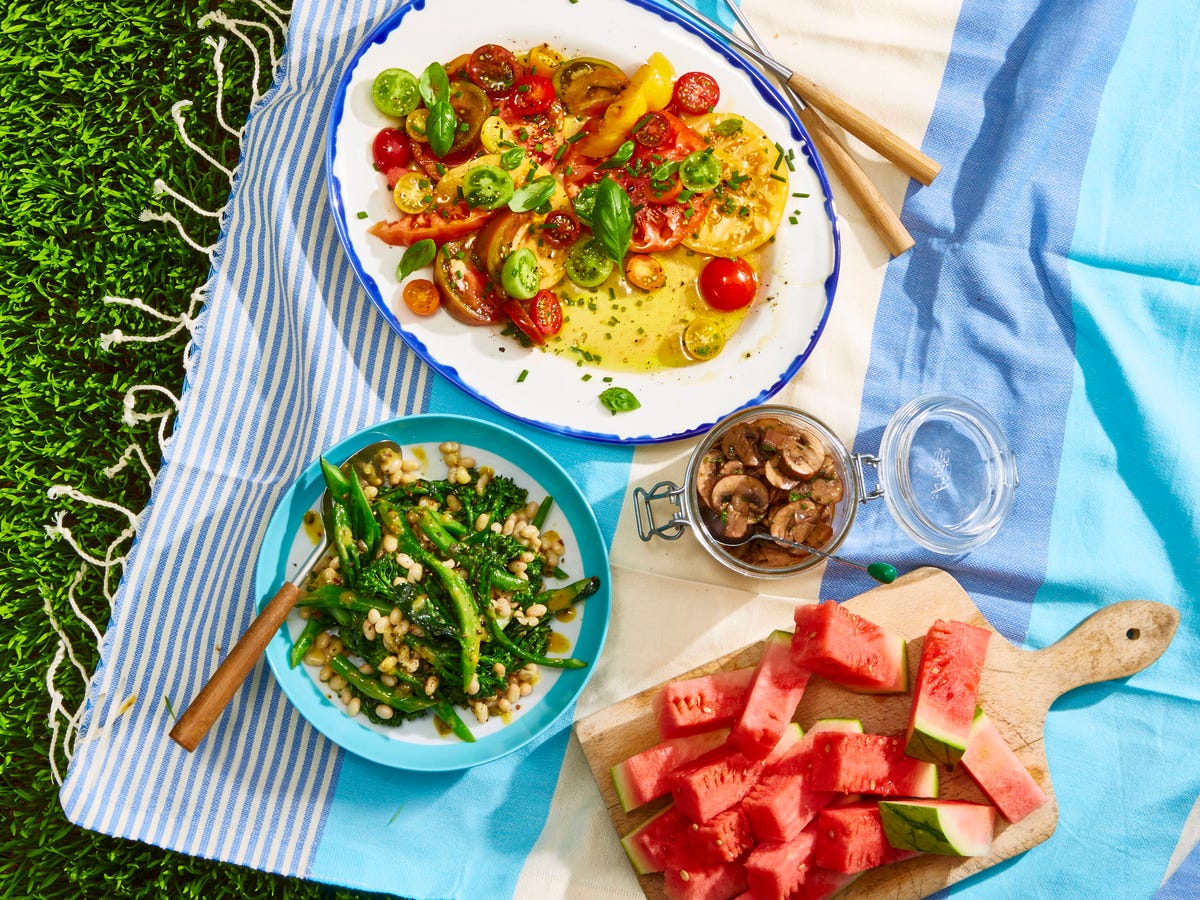
Make a white balsamic vinaigrette for butter bean salad.
Ready to join the white balsamic club? Barber has a few easy places to start:
Dress up raw vegetables: His first recommendation is a simple salad of sliced raw vegetables with olive oil, lemon, and a splash of white balsamic.
Brighten cooked vegetables: Next, stir a little into simmered or braised vegetables right before serving to brighten late-summer produce.
Upgrade bean dishes: And finally, splash it over warm beans with some good olive oil or whisk it into the dressing for a cold and bright bean salad.
Or, as Courtney Storer would tell you, drizzle it over grilled chicken.
Turns out, a celebrated chef, a viral recipe creator, a TV culinary producer, and the team behind one of the world’s most famous tomato martinis all agree on one thing: White balsamic deserves a permanent spot in your pantry.
Dining and Cooking