
Reviewed by Dietitian Jane Leverich, M.S., RDN
Key Points
The Mediterranean diet emphasizes vegetables, healthy fats and whole grains.
Dietitians say that Berry Chia Pudding is the best breakfast for the Mediterranean diet.
Rich in fiber and antioxidants, this breakfast can support a healthy eating pattern.
Unless you’re the kind of person who genuinely enjoys chopping veggies and whisking eggs at 6 a.m., a healthy weekday breakfast should be quick, satisfying and ideally meal-preppable. That’s a tall order for any eating pattern, but it can feel especially tricky when following a Mediterranean diet, which is known for its abundance of vegetables, fruits, healthy fats, whole grains, legumes, herbs and spices.
“The Mediterranean diet is an eating pattern, not a specific diet,” explains Amy Brownstein, M.S., RDN. “A balanced breakfast that includes protein, fiber and essential micronutrients fits into this eating pattern.”
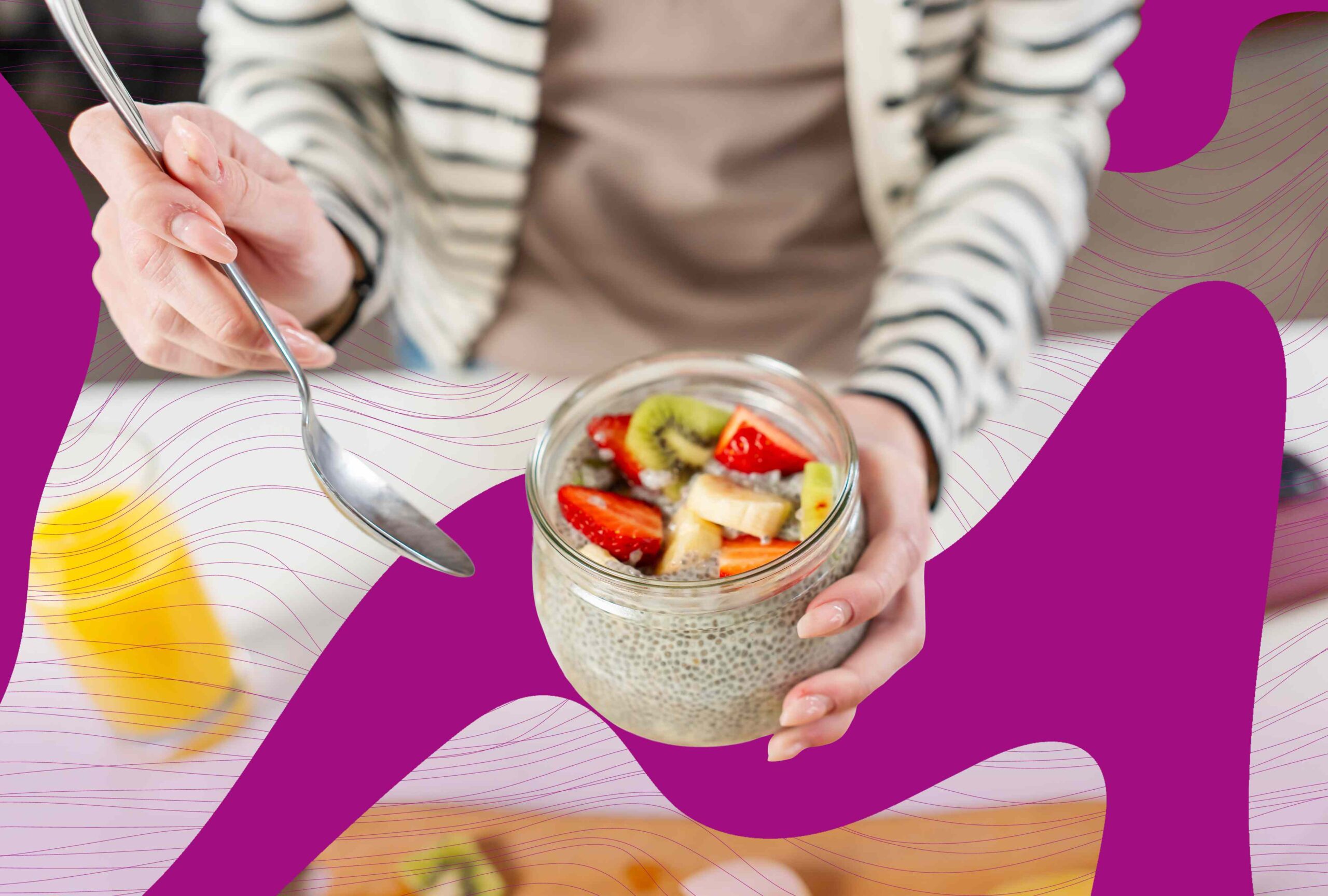
That’s why Berry Chia Pudding is one of the best Mediterranean diet breakfasts. It checks all the right boxes while taking just five minutes to prepare, making it easy to meal-prep several breakfasts at once. With fiber-rich chia seeds, antioxidant-packed berries and protein-rich yogurt, it’s a simple, nourishing way to start your day.
Why Dietitians Say Berry Chia Pudding Is the Best Breakfast for the Mediterranean DietIt’s High in Fiber
One serving of this berry-packed chia pudding provides 15 grams of fiber, more than half of the recommended daily value. If you’re one of the more than 90% of Americans who aren’t meeting the recommended intake for fiber, starting your day with a breakfast like this can go a long way toward closing the gap.
“Fiber supports bowel regularity, helps keep blood sugar and cholesterol in check, regulates blood pressure and may contribute to weight loss by helping you feel full,” says Brownstein.
In terms of fiber-rich fruits, the recipe suggests using raspberries, blackberries and/or mango. If you’re looking to maximize the fiber, opt for blackberries or raspberries. Whether you use fresh or frozen, they’ll add about 7 grams of fiber per cup, compared with just about 2 grams from the same serving of mango.,,
It’s Made with Whole Foods
Berries (and optional mango), yogurt, milk, chia seeds, vanilla extract and a little maple syrup and granola for extra sweetness and crunch come together to create this simple but nutrient-dense breakfast. Just seven ingredients are needed to make this Mediterranean diet–friendly recipe.
“This recipe prioritizes whole, minimally processed ingredients—like pure maple syrup for sweetness—which is a key principle of the Mediterranean diet,” says Samantha Turner, M.P.H., RDN, CHES.
While no foods are technically off-limits on the Mediterranean diet, emphasizing more whole foods naturally leaves less room for highly processed options.Choosing foods in their least processed forms—like plain Greek yogurt instead of a flavored, sweetened yogurt, and unsweetened frozen berries or fresh berries—helps limit added sugars and preservatives while providing essential nutrients like calcium, protein, vitamins, minerals and antioxidants.
It’s Loaded with Antioxidants
The deep red, purple and blue pigments in blackberries and raspberries come from anthocyanins, a class of polyphenols linked to lower inflammation and better heart health. If you decide to add mango to the mix, you’ll get a boost of carotenoids and vitamin C, both antioxidants with immune-supporting benefits.,
Polyphenols are arguably what sets the Mediterranean diet apart from other eating patterns. These plant compounds are found in foods like produce, olive oil and herbs, which are staples of this eating pattern.And relying on frozen berries instead of fresh doesn’t diminish the antioxidant potency of this breakfast. Berries are frozen at peak ripeness, and research shows anthocyanins hold up well in frozen storage—sometimes better than in fresh berries, after sitting for days in the refrigerator.
It’s Low in Added Sugars
“Like most meals on the Mediterranean diet, this berry chia pudding is not overly sweet,” says Kelly Powers, M.A., RDN. “Most of its sweetness and flavor comes from whole fruits, which also provide fiber for satiety and blood sugar regulation.”
Between the vanilla, fruit and just a tablespoon of maple syrup, added sugars stay at 6 grams per serving. For comparison, a single-serving cup of flavored yogurt can contain 13 grams of added sugar or more, even before adding any toppings.,
Because this breakfast gets much of its sweetness from fruit, the natural sugars come alongside fiber, vitamins and minerals. This combination provides more nutrients per gram of sugar and may help slow digestion and absorption compared with added sugars alone. If you find this breakfast sweet enough with just berries, you can skip the maple syrup entirely and enjoy a no-added-sugar chia pudding.
Who Can Enjoy This Breakfast?
Just about anyone can enjoy this recipe, whether you’re intentionally trying to follow the Mediterranean diet or not. “Berry chia pudding is a great option for anyone looking to improve their heart health, improve digestion or stay fuller longer throughout the morning,” says Turner.
It’s also a practical meal for people who struggle to fit breakfast into a busy morning. Since it’s made ahead and eaten cold, it’s a meal you can literally grab and go, eating it during your commute or at your office desk.
While it’s perfect as is for anyone trying to hit their daily fiber goals, a few adaptations can make it work for other nutrient goals as well. As is, you’ll get 14 grams of protein, but if that’s not enough for your needs, you can easily bump that number up by using skim, ultra-filtered milk instead of almond milk for an extra 6 grams of protein. Or use a low-fat or fat-free Greek yogurt if you’re looking to reduce saturated fat or calories.
For a vegan diet, just swap the yogurt for a plant-based option, like soy yogurt. And to make this breakfast gluten-free, just be sure to use a certified gluten-free granola to sprinkle on top.
Risks & Precautions
There’s not too much to worry about with this breakfast, unless your current diet is low in fiber (you may want to increase your fiber intake slowly to avoid digestive discomfort) or you have a food allergy.
Too Much Fiber Too Fast
With chia seeds and high-fiber fruit, including raspberries and blackberries, the amount of fiber you’ll get from one serving is impressive, but could be detrimental if you’re not already eating a fiber-rich diet. “Those unaccustomed to high-fiber diets should increase their intake gradually to avoid gastrointestinal discomfort,” recommends Whitney Stuart, M.S., RDN, CDECS.
If you’re concerned, start enjoying this breakfast using mango, which cuts the fiber by about a third. As you adjust, you can include more berries for a bigger fiber boost. And always, with a high-fiber diet, make sure to drink enough water and stay hydrated to help keep the fiber moving through your digestive tract.
Food Allergies
If you have a food allergy, you may need to adapt this recipe to meet your needs. For a milk allergy or lactose intolerance, you’ll want to use yogurt and milk you can tolerate. And if you have a tree nut, peanut or wheat allergy, be sure to check the label of the milk you choose to use (if it’s not dairy-based) and your granola.
Other Tips for Following the Mediterranean Diet
The Mediterranean diet focuses on eating a variety of foods, including fruits, vegetables, whole grains, legumes, lean proteins and healthy fats. Every small step toward adding more of these foods to your diet can help you move closer to this eating pattern. Here are some simple ways to get started and adopt a Mediterranean diet style of eating:
Eat more nonstarchy vegetables. Adding more antioxidant-rich plant foods to your diet can involve changing what you eat entirely, but it doesn’t have to. Brownstein recommends simply making half of your plate nonstarchy vegetables to easily add more color (and nutrients) to your meals.
Swap your cooking oils. A hallmark of the Mediterranean diet is olive oil, especially extra-virgin olive oil, with its potent polyphenol content. Nicole Nyerick, RDN, recommends adding olive oil into your cooking rotation. Using it as a base for salad dressings, to roast vegetables or as a spray for pans before cooking can add meaningful nutrients to your meals.
Include fatty fish in your weekly meal plan. Whether you prefer canned fish like sardines, mackerel or anchovies, sushi with tuna or a fillet of roasted salmon for dinner, aim to include fatty fish about two to three times per week. “Not only is it a good source of protein, but it’s packed with heart-healthy omega-3 fatty acids,” says Nyerick.
Start small. Try adding one extra nutrient-rich plant food to your diet each week, or every few days. Little tweaks like a handful of nuts in your morning yogurt, adding fruit to a snack, or swapping refined grains for whole grains all add up over time. “Small, consistent changes are much easier to maintain than trying to overhaul your diet overnight,” says Turner.
Our Expert Take
The best Mediterranean diet breakfast is one that’s simple to make and loaded with fiber and antioxidants. Berry Chia Pudding deserves a spot in your rotation, as it delivers whole fruit, fiber-rich seeds, healthy fats and minimal added sugars: all key elements of a Mediterranean diet eating pattern. Because one meal doesn’t make or break your diet, focusing on your patterns over time can help you start and adhere to the Mediterranean diet. Experts recommend starting slow and replacing refined, processed foods with more plants, olive oil and fatty fish.
Read the original article on EatingWell
Dining and Cooking