
There are some signs that the cyclosporiasis outbreak may be slowing in some areas, but it’s apparently rising in others. The overall picture isn’t yet quite clear. Although a couple of recalls may have addressed the parasitic infection somewhat, experts say there could be other sources not yet detected.
Many of my nutrition clients are still telling me that they just can’t bring themselves to chow down on their usual chopped salad or massaged kale. Some are even cutting back on lower-risk produce.
To add insult to injury, Taylor Farms has now announced a recall of important taco components such as fresh salsa and guacamole due to a salmonella outbreak apparently related to jalapeños.
It’s difficult to totally eliminate the risk in a home kitchen, but you can greatly reduce it by taking a few precautions.
It’s important to take those steps, because dietitians like myself really do not want you to just forgo your veggies, especially as the outbreak is stretching longer than in most years. You’d be giving up not just fiber, potassium, antioxidants and a host of other nutritious molecules, but some of the best seasonal produce of the year.
What can you do instead to lower your risk the most? Get cooking!
Don’t worry — your fresh greens and vegetables don’t have to fully boil to be safe, so you’re not doomed to a plate of sad green and stinky sprouts. But, they do have to reach at least 158 F throughout to kill the hardy cyclospora spores, and 165 F for salmonella, so wilted salads with a drizzle of hot dressing on top might not cut it.
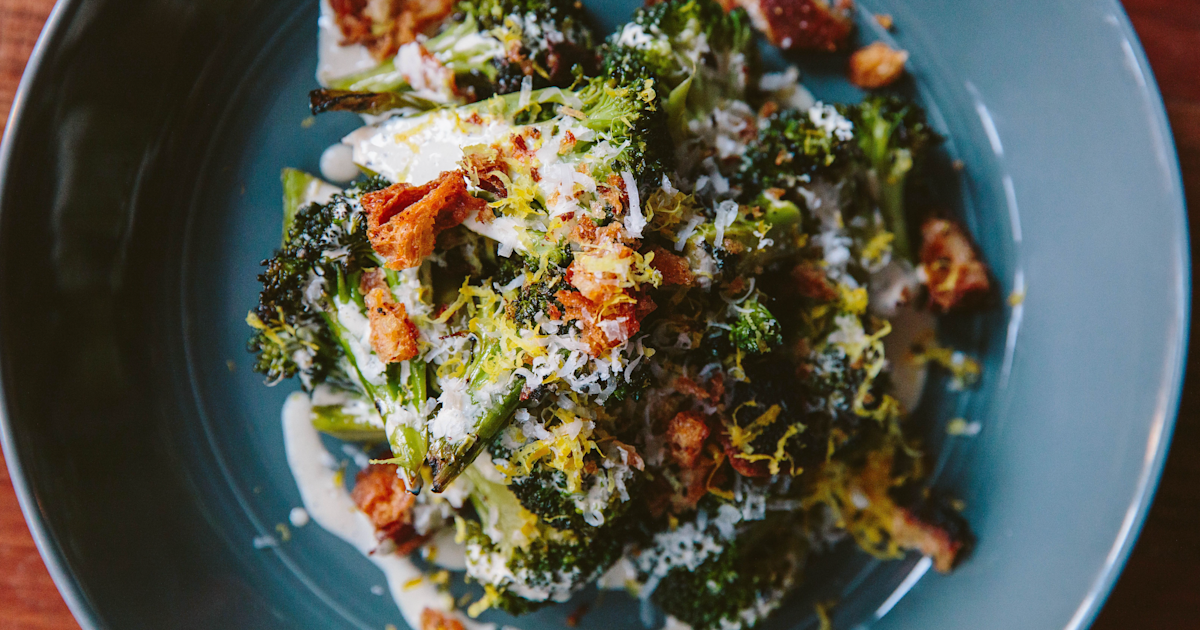
Instead, look for grilled, sautéed or roasted salads to keep your belly on the safe side. If you’re pining for cold dishes in the summer heat, never fear — many cooked salads are just delicious served at room temperature or cold.
We’ve rounded up some delicious, bona fide cyclospora-killing recipes for your vegetable enjoyment, at least with a few modifications. Please note you should skip any fresh garnishes unless otherwise specified.
Something about the honey mustard dressing makes this delectable salad work for summer, and it might be even better served at room temperature. If you can’t bear to turn on the oven, cook the veggies in batches in the air fryer at 375 to 400 F, usually about 8 to 10 minutes for broccoli and 12 to 15 for halved sprouts.
It would be a crime to let summer pass without partaking in one of its most precious gems: stone fruits. If you’re using a grill pan, add the cherries to the peaches for the last two minutes of cooking. You can also use an air fryer instead, or pop a carbon steel skillet on the grill to finish the cherries. It’s perfect with a drizzle of basil-infused olive oil if you have it, or a sprinkle of Tajín if you don’t.
Nothing encapsulates the perfection of a summer day like this spectacular recipe — poblanos, corn and fresh herbs all tossed together in a searing hot skillet, It’s scrumptious with mayo, sour cream or even a little plain Icelandic yogurt, but if you can get authentic crema, it’s a real treat.
Sautéed spinach, shallots and artichoke hearts blended with a creamy base are delicious paired with the brown butter chickpeas accompanying this recipe, but it’s equally delightful with pita chips, dolloped on roasted vegetables or spread all over your favorite sandwich. Nonfat Icelandic or Greek yogurt and Neufchâtel cheese would lighten it up a bit without sacrificing luxuriousness.
We bet you’ve never seen this dish before, borrowing as it does from multiple continents. Since we’re talking salmonella risk, use pasteurized eggs for the dressing, or a pasteurized, ready-made bottle.
Whether indoor or outdoor, this grilled dish puts peppers in a well-deserved spotlight. The basil and mint are important to the flavor, so don’t skip them entirely. Make the dressing first and add a big pinch of each if using dried, or if you have fresh, blanch a couple of sprigs briefly and then chop the leaves before adding.
Late summer is peak eggplant season, and this easy skillet caponata is a dream on flatbread (store-bought is fine!) as suggested in this recipe, or at room temperature or chilled along with crusty bread or pasta. It’s even better the next day, too. Although the arugula suggested in this recipe is usually eaten raw, it’s also delicious sautéed. You could instead add it to the caponata for the last couple of minutes of cooking, or omit.
Samin Nosrat knows exactly how to leverage seasoning to put vegetables in their best light, and this recipe is a prime example of her skill. If you’re making your own beans, add the chopped herbs to the hot beans as soon as they’re done, and let sit for at least a minute before straining. If you’re using canned, reserve the liquid and heat the beans and herbs together in a skillet or microwave until steaming. Either way, let cool a few minutes before adding the vinaigrette.
This easy, almost pantry-based salad may be retro, but it was popular for decades for a reason. You can use frozen green beans for convenience, and just sauté the red onion, celery and parsley in a teaspoon of neutral oil for two to three minutes before adding to the other dressing ingredients.
Blanching makes the greens in this dressing lower risk, and an ice bath keeps them bright green and fresh-tasting. Feel free to replace some of the spinach with your choice of fresh herbs for variety. In this recipe, the dressing adds vegetables to a chicken salad, but it works equally well over cooked veggies.
Replace the fresh orange with a small can of mandarins, juice drained, and sub the fresh juice and zest in the dressing with 1/4 cup of bottled orange juice.
This blanched and chilled Korean side is so flavorful, you’ll never miss your side salad, and since it cooks down so much by volume, it’s easier than ever to get your greens in. The sesame is wonderful alone, but you can also toss your whole scallion in with the spinach to blanch and then chop when cool enough to handle.
No repetitive chopping here; just slice into wedges, smoosh on the dressing and forget about it for 20 minutes. The instructions say to serve immediately, but it’s also great room temperature and equally perfect with steak or rotisserie chicken. You can also pair it with rice or noodles for a lighter vegetarian dish.
This recipe uses a fresh basil vinaigrette, but it’s a marinade for grilling. Just baste the veggies a couple of extra times during cooking and skip adding it at the end.
This salad is hearty and balanced enough to serve as a meal in itself, and it works well for meal prep. Just stir the arugula into the vegetables for the last two minutes of roasting, or until wilted. It works just as well with quinoa or whole wheat orzo, too.
This is a great back-pocket salad that you can easily switch up to use what’s in season or on-hand — corn, tomatoes and green beans are all fair game. Pecans, pumpkin seeds and sunflower seeds all work, too. Be sure to rinse that quinoa and add the remaining shallot, scallion and parsley to the squash for the last two minutes of cooking. A little feta wouldn’t go amiss, either.
Got a pile of leftover roasted vegetables from one of the recipes above? Add it to a speedy pasta salad along with any bottled Italian or vinaigrette dressing, or blanch the basil before using in the accompanying dressing recipe.
Dining and Cooking