
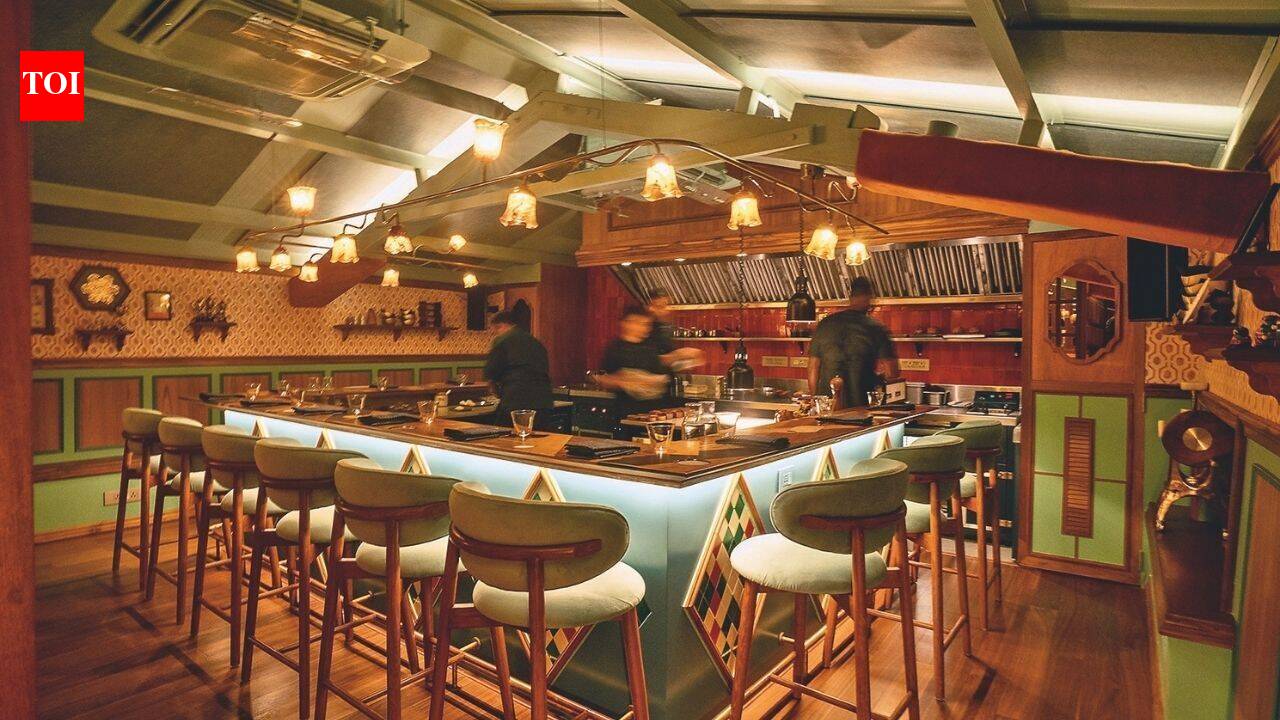
 Restaurateur Sameer Seth says the real challenge of a 12-seat restaurant is not reducing costs, but making the economics work with limited covers Chef Prateek Sadhu didn’t set out to make life easy for himself. Naar, his 16-seater restaurant in the forest belt beyond Kasauli, sits 45 minutes past a hill town that is itself two hours away from Chandigarh. “Everybody was like, ‘you’re stupid, you idiot, and you don’t know how India works,’” he recalls. Today, his restaurant serves 16 to 20 covers a day across lunch and dinner, at `12,000 to `15,000 per head, earning around `4 lakh a day. “It is a sale which is way above average,” Sadhu shares, adding, “a restaurant like Naar, which is in the middle of nowhere… is a profitable restaurant, and that’s a big statement to make in today’s Indian F&B context.”Naar belongs to a small, but growing, list of Indian restaurants that have deliberately shrunk the room. In Bengaluru, Kavan Kuttappa opened Naru Noodle Bar with eight seats, following a template borrowed from Japan. “Most of the ramen shops there are all eight seats, 10 seats,” he says, adding, “I recreated a similar vibe.”In Delhi, Jeet Rana and Chirag Pal built Cavity, a nine-course cocktail bar with nine seats, above its larger and more commercially viable sibling bar. Cavity, they say, was designed to feel like “our living room in the mountains.” At Benne in Bandra, Akhil Iyer started even smaller, with a 250-square-foot space, because, as he puts it, “It was our first venture in the hospitality space, so we didn’t want to start by taking a very large risk.”None describe size as a marketing decision. All say the same thing: being small has not made the business easier.
In Bengaluru, Kavan Kuttappa opened Naru Noodle Bar with eight seats, a template borrowed from Japan.
The myth that small means cheapThe assumption goes: fewer chairs, lower overheads, smarter business maths. Sameer Seth, who runs Papa’s under Hunger Inc, disagrees. A 12-seat room, he points out, still needs exceptional ingredients, a skilled team, and a level of craft that doesn’t get cheaper simply because there are fewer people in the room to absorb the cost. “The cost per guest is often significantly higher than it would be in a larger-format restaurant,” he says. “Small-format restaurants don’t operate on lower costs; they operate on a different cost structure.”
A smaller space means lower expenses but also means lesser earning potential
Akhil Iyer
Sadhu agrees: “It is a myth that if the restaurant is small, the running cost is small.” His own staff, by his account, are paid 50% above the local going rate, with their housing and transport covered on top.Akhil Iyer agrees that smaller spaces do reduce rent and operating expenses, but they also cap revenue. “A smaller space means lower expenses but also means lesser earning potential than a larger space. They go hand in hand,” he says. Cheaper to run, then, is not the same as easier to profit from. It is, if anything, a narrower tightrope.‘Every seat has to work harder’For decades, restaurant economics relied on one equation: more seats plus faster table turnaround equals higher output. That equation is changing, says Seth. “Earlier, the assumption was that viability came from volume. Today there is also room for restaurants that create value through a highly differentiated experience.” The shift changes what every seat is expected to do. “Every seat has to work harder,” he adds, “which means every aspect of the experience, from the food and hospitality to the pacing and storytelling, has to justify its place.”
The four-seat cocktail bar The Hidden Club in Delhi.
At The Hidden Club (THC) in Delhi, AD Singh built the economics backwards. The four-seat cocktail bar started as an R&D space for Olive’s beverage team, not a business plan. “THC wasn’t built around volume,” he says. “Sometimes investing in creativity is just as important as investing in covers.”Unlike independent micro-restaurants, THC functions as a creative laboratory, developing drinks that later find their way onto menus across the wider group. Its four seats generate as much brand value as revenue.
Why do people mind (paying to book a table) in restaurants? Har kursi ke paise hain. Even if two people don’t show up, it leads to wastage
Manish Mehrotra
‘The larger venue quietly funds the smaller one’Several of these XS restaurants don’t survive on the dining room alone. Jeet Rana shares, “We are able to keep Cavity running because it sits on top of another bar, which makes money. From nine people, you will never make money.”Papa’s follows a similar model. Sharing infrastructure and back-end support with Veronica’s and the wider Hunger Inc. group allows the team to invest more heavily in “the food, the team and the guest experience,” says executive chef Hussain Shahzad.
For Hussain Shahzad, the best small-format restaurants are designed around the guest experience, not just lower costs
Minakshi Singh, co-founder of Sidecar, has seen the model play out across Delhi, pointing to Hoots, the tiny bar tucked above the larger Perch. “In terms of the business, your business is still Perch,” she says.Once a small restaurant builds a reputation, chef Manish Mehrotra says, it becomes almost incidental to how it earns. “With that name, you get a lot of opportunities to earn money,” think pop-ups, private dinners charged at a premium, collaboration with a car company, a finance company or a credit card. Sometimes the restaurant itself becomes the showcase, rather than the primary source of income.Reservations are revenue insurance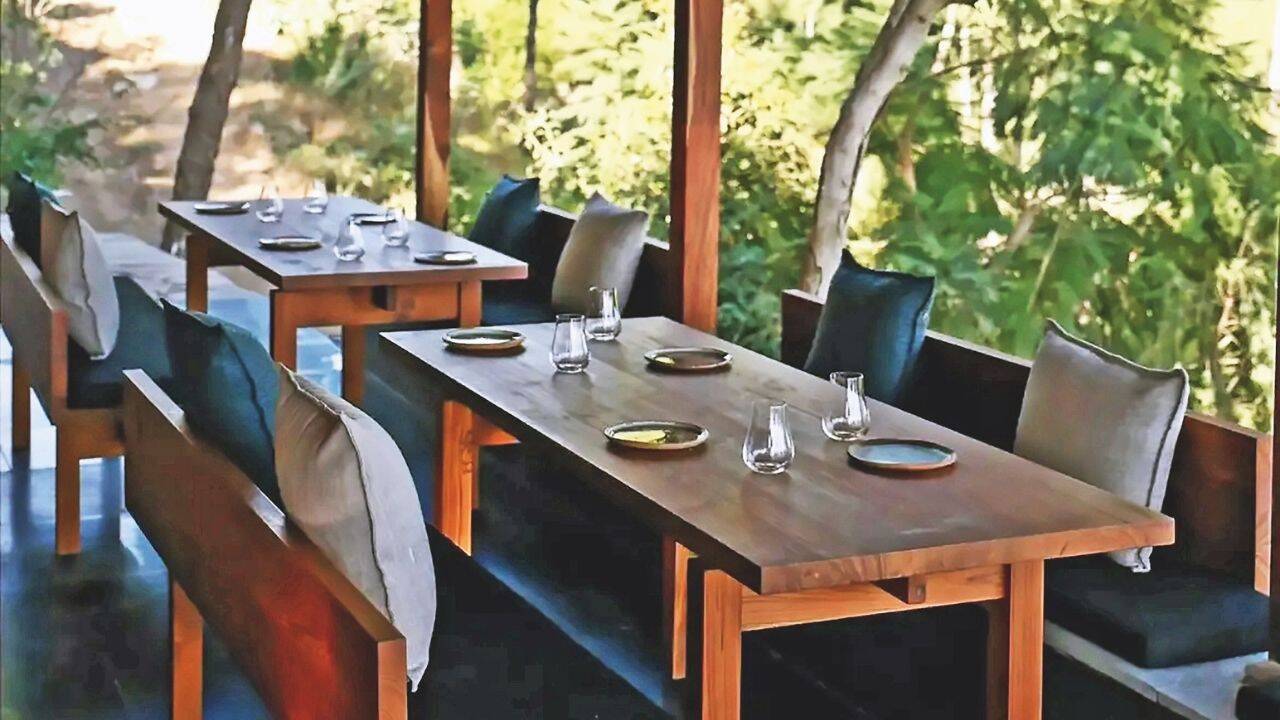
Prateek Sadhu intends to keep his 16-seater restaurant intimate and exclusive, with no plans to expand beyond its 16 seats
To get a table at a coveted restaurant is a mark of status. For the restaurants themselves, cover charge is insurance against empty seats. Ask chef Manish Mehrotra why a 12-seat restaurant should charge guests before they’ve even sat down, and he says “You go to see the doctor, you take an appointment. You want to watch a movie, you take a ticket… You book a concert ticket. You don’t just walk in. Then why do people mind it only in restaurants? Har kursi ke paise hain,” he says.At Naar, guests pay in full while booking. “We can’t afford to have people book and cancel,” says Sadhu. For a 16-seat restaurant with no walk-in footfall to fall back on, there’s no room for a softer policy. “It doesn’t work for a small business.” For Mehrotra, the concern isn’t only cash flow but wastage. “If Papa’s is serving 12 people, it will cook for 12 people, and even if two people don’t show up, it leads to wastage,” he says. It’s a real cost in restaurants built around fixed tasting menus and carefully sourced seasonal ingredients. AD Singh frames the policy differently. “It’s less about exclusivity and more about commitment.”Scarcity sells. But can it last?Harish Bijoor, marketing expert, believes India’s smallest restaurants are benefiting from one of marketing’s oldest principles. “Scarcity marketing has always existed,” he says. “Word of mouth, amplified by Instagram, has replaced advertising for many.” For niche restaurants that cannot afford large campaigns, he says, buzz remains the most effective marketing tool.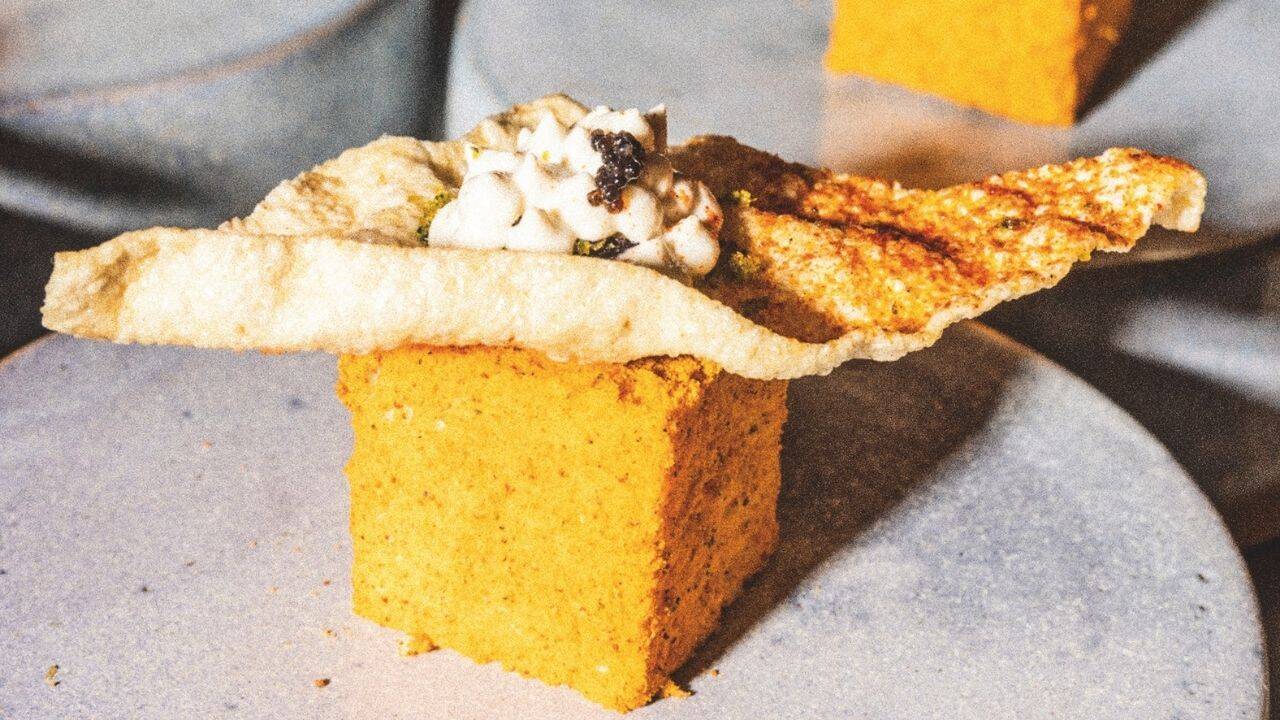
In an XS restaurant, even a couple of no-shows can translate into significant food wastage
Food consultant and avid diner Shikha Ranka says novelty may bring diners in the first time, but it cannot sustain interest. What keeps people returning, she adds, are seasonal menus and constantly evolving experiences.Minakshi has watched diners scramble for reservations at these XS restaurants. “They set alarms,” she says. “But that is just the initial hype. It’s a clickbait thing.” Bijoor warns, “Either you can be niche, or you can be mass. The moment you become both, you become a fast food joint.”
Dining and Cooking