
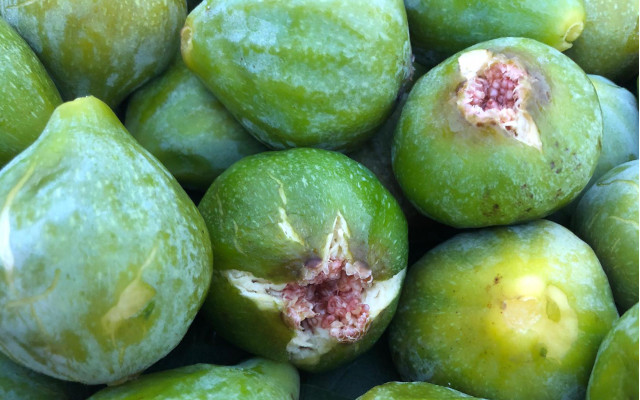
Il common fig (ficus carica L.) is among the oldest fruit species in the Mediterranean basin and has been present in Italy for millennia, with particular roots in Southern Italy (Mazzeo et al., 2024; Petruccelli et al., 2025; Rodolfi et al., 2018).
Its value is twofold: economic in some suitable areas and, above all, cultural, varietal and landscape, thanks to a genetic heritage that includes approximately 240–300 cultivars or accessions surveyed and not yet fully defined (Giordano et al., 2025; Rodolfi et al., 2018).
The national supply chain unites fresh consumption, transformation and production of dried figs of quality, especially in Campania, Calabria and Puglia (Giordano et al., 2025; Monaco et al., 2024; Ciarmiello et al., 2015).
An ancient fruit in 240 forms
The fig belongs to the fig family moraceae and it is both a cultivated and spontaneous species, widespread throughout the Mediterranean (Nuzzo et al., 2022; Russo et al., 2017). The Italian heritage is among the most heterogeneous in Europe from a morphological and genetic point of view: leaves, fruits, growth habit and ripening calendars vary enormously from cultivar to cultivar (Rodolfi et al., 2018; Giordano et al., 2025; Nuzzo et al., 2022). Precisely this biodiversity Today it represents the strategic resource of the sector, more than the production scale.
History: from the Phoenicians to the Medici Pomona
The fig is linked to the very origins of horticulture in the Near East and the Mediterranean and is considered among the first species fruit trees domesticate by humans (Mazzeo et al., 2024; Giordano et al., 2025; Salehi et al., 2020). Its diffusion in southern Italy was probably first favored by Phoenicians and then come on Greek; in Roman times it already had an important role in nutrition and social life (Mazzeo et al., 2024).
Cultural sedimentation also emerges from regional agrarian sources. Toscana scientific literature documents cultivars such as Verdino and Brogiotto already in Quattrocento; between the eighteenth and nineteenth centuries, the Medici’s passion for collecting further enriched the varietal heritage (Giordano et al., 2025). In the provinces of Salerno and Cosenza, dried figs became an economic resource over the centuries, documented by agronomic reports and official statistics since the modern age.
Botany and seasonality: large, well-stocked and twice-bearing cultivars
Many cultivars Italians are biferous: that is, they produce two harvests a year, the flower buds, which develop on the previous year’s wood, and the main crop, consisting of the fruit buds, which mature on the new year’s shoots. Others, however, concentrate production exclusively on the summer harvest (Mazzeo et al., 2024; Mafrica et al., 2025).
In the group Doctorate, the main crop in Puglia ripens from the end of July to September, while the regional calendar can open with the big ones between the end of May and June and close in September-October with the late varieties (Mazzeo et al., 2024). short seasonality and the delicacy of the fruit remain the main commercial constraint of the fresh product.
Figs in Italy and around the world: numbers and markets
The Italy is al second place in the European Union for the production of figs (around 11.000 tonnes in 2024), far behind Spain (42.000 tonnes), according to the latest Eurostat data (2025). These values are negligible compared to the global production of 1,3 million tons annual. The Turkey It is the world’s leading producer and exporter and alone covers up to 60% of the global dried fig market. (CBI, 2026). They are followed by Egypt, Morocco, Algeria and Iran (FAO, 2025).
On the front of the dry, Spain, Italy and Greece together produced around 17.100 tonnes in the 2024/2025 campaign (CBI, 2026). Europe remains structurally importerFrance (8.268 t) and Germany (7.239 t) were the main EU buyers in 2024, with average import prices around $4.339/t and export prices at $4.695/t, in a context of declining supply and demand supported by the growing attention to the Mediterranean diet (CBI, 2026).
For Italian quality sector, in particular the one with the DOP brand, this combination of growing demand and limited offering represents the most concrete space for valorization (Monaco et al., 2024).
Cilento and Cosenza: the two DOPs of the Dottato
The Italy boasts the recognition of two protected designations of origin (PDO), of the fig, both based on the cultivar Doctorate (or Optato) and on the product dried:
Il Cilento PDO White Fig, registered in 2006, valorises an ecotype selected in the Cilento Salerno area. The pedoclimatic peculiarities and the genetic biotype are indicated among the factors of the variability of the volatile compounds, while thedrying in the sun — possibly followed by oven treatment, according to the specifications — significantly modifies the aromatic profile (Russo et al., 2017; Russo et al., 2014);
i Cosenza DOP Figs, recognized in 2011, exclusively designate the dried fruits of the ‘Dottato Bianco di Cosenza’ grown between 0 and 800 meters above sea level in the Crati Valley and adjacent areas (Mazzeo et al., 2024; Mafrica et al., 2025; Monaco et al., 2024). The harvest, manual, is concentrated between August and October; the specification establishes a maximum humidity of 24 % (28% if conditioned) and a content of sugar on dry matter between 48–57% (sun drying) and 50–75% (in greenhouse).
Traditional agroecosystems and resilience to heat stress
The 80 % of fig production in Italy is concentrated in south (Campania, Puglia, Calabria and Sicily). In Puglia approximately 90% of the product is marketed fresh, while Calabria and Campania are oriented towards dryIn Tuscany and Liguria, high-value niche productions emerge (Giordano et al., 2025; Mazzeo et al., 2024; Monaco et al., 2024).
In Southern Italy the fig is often grown in mixed vegetable gardens, gardens and orchards, together with olive, almond, pear, pomegranate and vine (Nuzzo et al., 2022; Giordano et al., 2025). It is a relevant model for the conservation of biodiversity and for the resilience of agroecosystems (Nuzzo et al., 2022; Petruccelli et al., 2025).
From an agronomic point of view, the fig is appreciated for itsadaptability torrid climates and low water availability (Petruccelli et al., 2025; Giordano et al., 2025), an increasingly valuable trait in the thermal stress scenario that is reducing historical yields. The most widespread and sustainable propagation on a large scale remains multiplication by cutting (Mafrica et al., 2025).
Nutritional values of fresh figs
The fresh fig is a fruit moderate energy density, rich in water, with entirely soluble sugars. The reference values are those of the Food Composition Tables of the CREA, reported here per 100 g of edible portion and per 150 g portion.
Parameter
Per 100 g
Per serving (150 g)
Energy
63 kcal / 262 kJ
94 kcal / 394 kJ
Water
81,9 gr
122,9 gr
Protein
0,9 gr
1,4 gr
Lipids
0,2 gr
0,3 gr
Carbohydrates
14,2 gr
21,3 gr
of which sugars
14,2 gr
21,3 gr
Dietary fiber
2 gr
3,0 gr
Table 2. Energy and macronutrients of fresh figs. Source: CREA (2019), code 007050.
The contents of micronutrients indicated by CREA for 100 g of fresh figs do not allow the use nutrition claim in commercial information, since they are lower than the minimum levels for this purpose established by Regulation (EC) No. 1924/06, equal to 15% of Reference Nutritional Values (NRV) as per Annex XIII of Regulation (EU) No. 1169/2011. In fact, 100 g of fresh figs provide the following amounts of vitamins and minerals:
Potassium: 270 mg, equal to 13,5% of the NRV (2.000 mg);
Vitamin C: 7 mg, equal to 8,8% of the VNR (80 mg);
Calcium: 43 mg, equal to 5,4% of the NRV (800 mg);
Phosphorus: 25 mg, equal to 3,6% of the NRV (700 mg);
Iron: 0,5 mg, equal to 3,6% of the VNR (14 mg).
The nutritional profile changes with thedrying, which concentrates sugars, minerals and fibreIn the samples studied, many phenolic compounds are more concentrated in the peel that in the pulp, and the flowers were found to be richer in phenols than the main crop in the Cilento Dottato (Russo et al., 2014).
Bioactive compounds in the literature evidence
The available evidence indicates with appreciable consistency that the fig contains phenols, flavonoids, anthocyanins, triterpenes and phytosterols associated with activities antioxidants e inflammatory; however, much of the literature remains preclinical or review-based (Alzahrani et al., 2024; Hajam & Saleem, 2022; Fazel et al., 2024).
Reviews report potential antidiabetic, lipid-lowering, antimicrobial, and neuroprotective activities, stressing the need for further clinical and safety confirmation (Petruccelli et al., 2025; Fazel et al., 2024; Salehi et al., 2020).
On the experimental level, compounds prenylated isolated from the fruits have shown in vitro a marked inhibition of nitric oxide production and antiproliferative activity on different tumor cell lines (Liu et al., 2019).
Food applications and industrial potential
In Italy the fig has various uses: fresh consumption, drying, jams e ice creams (Mazzeo et al., 2024; Mafrica et al., 2025; Monaco et al., 2024).
The literature also recalls uses functional broader: parts of the fruit can contribute to natural colorants or preservatives, as well as being of interest in cosmetics and pharmaceuticals (Alzahrani et al., 2024).
Selection criteria for consumers and professional buyers
For the consumer the most useful criteria are origin, cultivar, degree of ripeness, drying method and fruit integrity. In DOP dried figs, the link between territory, Dottato cultivar, and process defines much of the qualitative and aromatic profile (Russo et al., 2017; Russo et al., 2014).
For the professional buyer they count standardization, traceability and supply channels, in a market where the certified Italian product can be proposed as a qualitative alternative in the EU context (Monaco et al., 2024).
Products made with agriculture Biological They express the value of respecting the highest standards — codified in Regulation (EU) 848/2018, as well as subject to specific additional controls — to guarantee environmental sustainability and biodiversity.
In short (Italian only)
The fig supply chain in Italy expresses a model of territorial biodiversity which is found in the DOPs of Cosenza and Cilento – where Ancel Keys studied the Mediterranean diet (Strinati, 2019) — the maximum commercial valorization. Scientific evidence confirms the interest in the bioactive compounds of the fruit, while the European regulatory framework clearly defines the scope of consumer information. To consolidate the economic positioning of the sector, the protection of resilient cropping systems and the conversion to the system remain central. organically grown products which added and distinctive value of the Italian figs.
Dario Dongo
Credit cover Dario Dongo
References
Scientific literature
Alzahrani, M. Y., Alshaikhi, A. I., Hazzazi, J. S., Kurdi, J. R., & Ramadan, M. F. (2024). Recent insight on nutritional value, active phytochemicals, and health-enhancing characteristics of fig (ficus carica). Food Safety and Health. https://doi.org/10.1002/fsh3.12034
Ciarmiello, L., Piccirillo, P., Carillo, P., Luca, A., & Woodrow, P. (2015). Determination of the genetic relatedness of fig (ficus carica L.) accessions using RAPD fingerprint and their agro-morphological characterization. South African Journal of Botany, 9740-47. https://doi.org/10.1016/j.sajb.2014.11.012
Fazel, M.F., Abu, I.F., Mohamad, M.H.N., Daud, N.A.M., Hasan, A., Bakkar, Z.A., Khir, MANM, Juliana, N., Das, S., Razali, M.R.M., Baharin, N.H.Z., & Ismail, A. (2024). Physicochemistry, nutritional, and therapeutic potential of ficus carica – A promising nutraceutical. Drug Design, Development and Therapy, 181947-1968. https://doi.org/10.2147/dddt.s436446
Giordano, C., Arcidiaco, L., Rodolfi, M., Ganino, T., Beghè, D., & Petruccelli, R. (2025). Description of ficus carica L. Italian cultivars—I: Machine learning based analysis of leaf morphological traits. Plants, 14(3), 333. https://doi.org/10.3390/plants14030333
Hajam, T. A., & Saleem, H. (2022). Phytochemistry, biological activities, industrial and traditional uses of fig (ficus carica): A review. Chemico-Biological Interactions, 368, 110237. https://doi.org/10.1016/j.cbi.2022.110237
Liu, Y.-P., Guo, J.-M., Yan, G., Zhang, M.-M., Zhang, W.-H., Qiang, L., & Fu, Y.-H. (2019). Anti-inflammatory and antiproliferative prenylated isoflavone derivatives from the fruits of ficus carica. Journal of Agricultural and Food Chemistry, 67(17), 4817-4823. https://doi.org/10.1021/acs.jafc.9b00865
Mafrica, R., Bruno, M., Fiozzo, V., Caridi, R., & Sorgonà, A. (2025). Rooting, growth, and root morphology of the cuttings of ficus carica L. (cv. ‘Dottato’): Cutting types and length and growth medium effects. Plants, 14(2), 160. https://doi.org/10.3390/plants14020160
Mazzeo, A., Magarelli, A., & Ferrara, G. (2024). The fig (ficus carica L.): Varietal evolution from Asia to Puglia region, southeastern Italy. CABI Agriculture and Bioscience, 5. https://doi.org/10.1186/s43170-024-00262-x
Monaco, F., De Marinis, P., & Sali, G. (2024). Consumers’ attitudes towards whole dried figs attributes: A preliminary study in Italy. Agriculture, 14(12), 2163. https://doi.org/10.3390/agriculture14122163
Nuzzo, V., Gatto, A., & Montanaro, G. (2022). Morphological characterization of some local varieties of fig (ficus carica L.) cultivated in southern Italy. Sustainability, 14(23), 15970. https://doi.org/10.3390/su142315970
Petruccelli, R., Giordano, C., Beghè, D., Arcidiaco, L., Bonetti, A., Ieri, F., Rodolfi, M., & Ganino, T. (2025). Description of ficus carica L. Italian cultivars II: Genetic and chemical analysis. Plants, 14(8), 1238. https://doi.org/10.3390/plants14081238
Rodolfi, M., Ganino, T., Chiancone, B., & Petruccelli, R. (2018). Identification and characterization of Italian common figs (ficus carica) using nuclear microsatellite markers. Genetic Resources and Crop Evolution, 651337-1348. https://doi.org/10.1007/s10722-018-0617-6
Russo, F., Caporaso, N., Paduano, A., & Sacchi, R. (2014). Phenolic compounds in fresh and dried figs from Cilento (Italy), by considering breba crop and full crop, in comparison to Turkish and Greek dried figs. Journal of Food Science, 79(7), C1278–C1284. https://doi.org/10.1111/1750-3841.12505
Russo, F., Caporaso, N., Paduano, A., & Sacchi, R. (2017). Characterization of volatile compounds in Cilento (Italy) figs (ficus carica L.) cv. Dottato as affected by the drying process. International Journal of Food Properties, 201366-1376. https://doi.org/10.1080/10942912.2017.1344991
Salehi, B., Mishra, AP, Nigam, M., Karazhan, N., Shukla, I., Kiełtyka-Dadasiewicz, A., Sawicka, B., Głowacka, A., Abu-Darwish, MS, Tarawneh, AH, Gadetskaya, AV, Cabral, C., Salgueiro, L., Victoriano, M., Martorell, M., Docea, A. O., Abdolshahi, A., Calina, D., & Sharifi-Rad, J. (2020). Rubber plant plants: State of the art from a phytochemical, pharmacological, and toxicological perspective. Phytotherapy Research, 351187-1217. https://doi.org/10.1002/ptr.6884
Institutional sources, statistics, databases and grey literature
CBI – Centre for the Promotion of Imports from Developing Countries (Ministry of Foreign Affairs of the Netherlands). (2026). The European market potential for dried figs (data International Nut and Dried Fruit Council, Eurostat, ITC). https://www.cbi.eu/market-information/processed-fruit-vegetables-edible-nuts/dried-figs/market-potential
CREA – Food and Nutrition Research Center. (2019). Food Composition Tables: Figs, Fresh (code 007050). https://www.alimentinutrizione.it/tabelle-nutrizionali/007050
Eurostat. (2025). Agricultural production – crops (apro_cpsh1 database). Statistical Office of the European Union. https://ec.europa.eu/eurostat/statistics-explained/index.php?title=Agricultural_production_-_crops
FAO – Food and Agriculture Organization of the United Nations. (2025). FAOSTAT: Crops and livestock products. https://www.fao.org/faostat/
Strinati, M. (2019, November 19). Mediterranean Diet: The Digital Museum Is Online. FT (Food Times). https://www.foodtimes.eu/it/pianeta/dieta-mediterranea-e-online-il-museo-digitale/
Regulatory sources
Commission Regulation (EC) No 417/2006 of 10 March 2006 supplementing the Annex to Regulation (EC) No 2400/96 as regards the entry of certain names in the Register of protected designations of origin and protected geographical indications (Pimiento Asado del Bierzo — (PGI), Fico bianco del Cilento — (PDO), Melannurca Campana — (PGI), Montes de Granada — (PDO), Huile d’olive de Nice — (PDO), Aceite de la Rioja — (PDO), Antequera — (PDO)). http://data.europa.eu/eli/reg/2006/417/oj
Commission Implementing Regulation (EU) No 596/2011 of 7 June 2011 entering a name in the register of protected designations of origin and protected geographical indications [Fichi di Cosenza (PDO)]. http://data.europa.eu/eli/reg_impl/2011/596/oj
Regulation (EU) No 1169/2011 of the European Parliament and of the Council of 25 October 2011 on the provision of food information to consumers. Consolidated text: 04/01/2025. http://data.europa.eu/eli/reg/2011/1169/2025-04-01
Regulation (EU) 2018/848 of the European Parliament and of the Council of 30 May 2018 on organic production and labeling of organic products and repealing Council Regulation (EC) No 834/2007. Consolidated text: 03/25/2025. http://data.europa.eu/eli/reg/2018/848/2025-03-25

Dario Dongo, lawyer and journalist, PhD in international food law, founder of WIISE (FARE – GIFT – Food Times) and Égalité.
Dining and Cooking