

15 September 2026
Champagne lovers could be raising a glass to a stronger version of the famous French sparkling wine this year after record-breaking heat forced authorities to allow some bottles to reach higher alcohol levels.
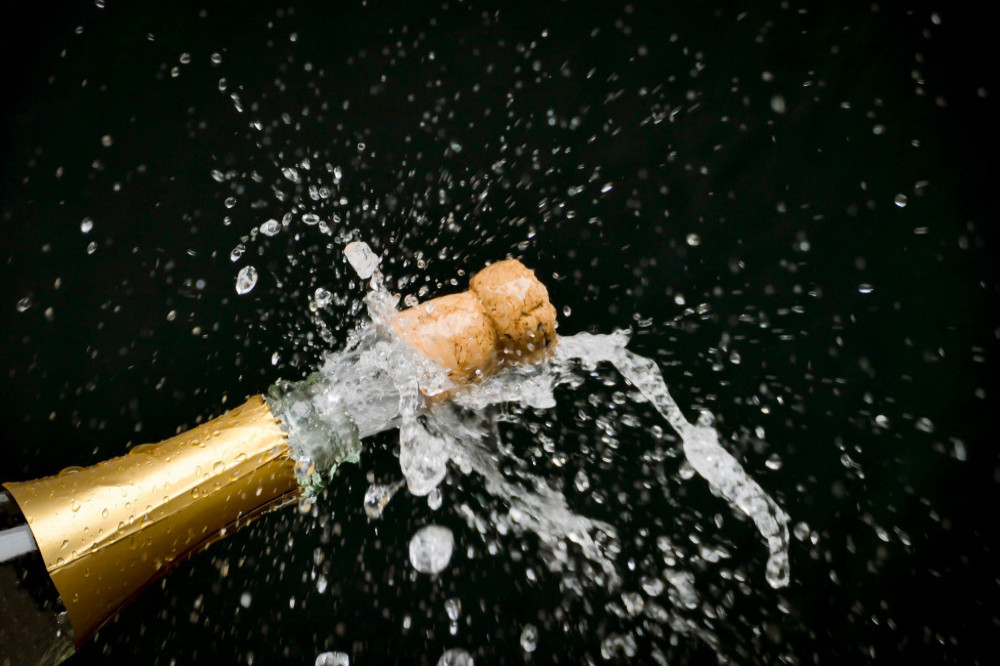
Champagne gets stronger
French regulators have granted a temporary exemption allowing some champagne to reach up to 15% alcohol by volume, above the usual limit of 13%.
The decision comes after extreme heat and drought conditions caused grapes in the Champagne region to develop unusually high sugar levels. During fermentation, yeast converts sugar into alcohol, meaning the warmer conditions have resulted in stronger wines.
The country’s National Origin and Quality Institute approved the one-off measure after concerns that some wines from the latest harvest could exceed the existing limit.
The Comite Champagne industry association said the change is only expected to affect a small number of wines.
A spokeswoman for the organisation told the BBC: “During the second fermentation process, which gives champagne its bubbles, a very small number of wines from this harvest could have slightly exceeded the regulatory limit of 13%, reaching around 13.1% or 13.2%.
“Therefore a decision was made to exceptionally and temporarily increase the regulatory limit to 15% – only for this year.”
France recorded its hottest summer on record in 2026, with scientists linking rising temperatures to more frequent and intense extreme weather events.
However, the possibility of stronger champagne has not been welcomed by all producers, with some concerned that higher alcohol levels could affect consumer demand at a time when interest in lower-alcohol wines is growing.
Didier Gimonnet, a champagne producer in Cuis, told The Times: “It undermines the image of champagne. The idea of champagne at 14 or 15 per cent will put a lot of people off.
Despite the temporary exemption, most champagne producers are expected to use traditional blending methods to maintain the balance and style associated with the drink.
Didier added: “The vast majority of champagne makers will solve the problem by blending grapes from different years to bring it down. Champagne is always an assemblage – a blend – and an intelligent, balanced combination will sort this out.”
Dining and Cooking