

Some vintages are lauded for their outstanding quality, while others represent a pivotal moment; the last two vintages ending in ‘6’ fit firmly into the latter category, marking the opposite ends of a decade of profound transformation for Italian wine.
The 2006 vintage fell within a transitional phase. Established appellations were beginning to drift from the heady, modernist trends of the 1990s and early 2000s towards a quest for greater transparency.
Meanwhile, then-unsung regions, such as Etna and Colli Tortonesi, were laying the groundwork for their own subsequent rise.
By contrast, 2016 embodies the fruits of that decade-long refinement – a period that involved a systemic rethinking of viticultural methodology and greater commitment to sustainability.
Looking back 20 and 10 years on, respectively, both vintages offer outstanding wines that highlight this stylistic evolution while sharing a similarly compelling combination of depth and energy.
2006: A pivotal year
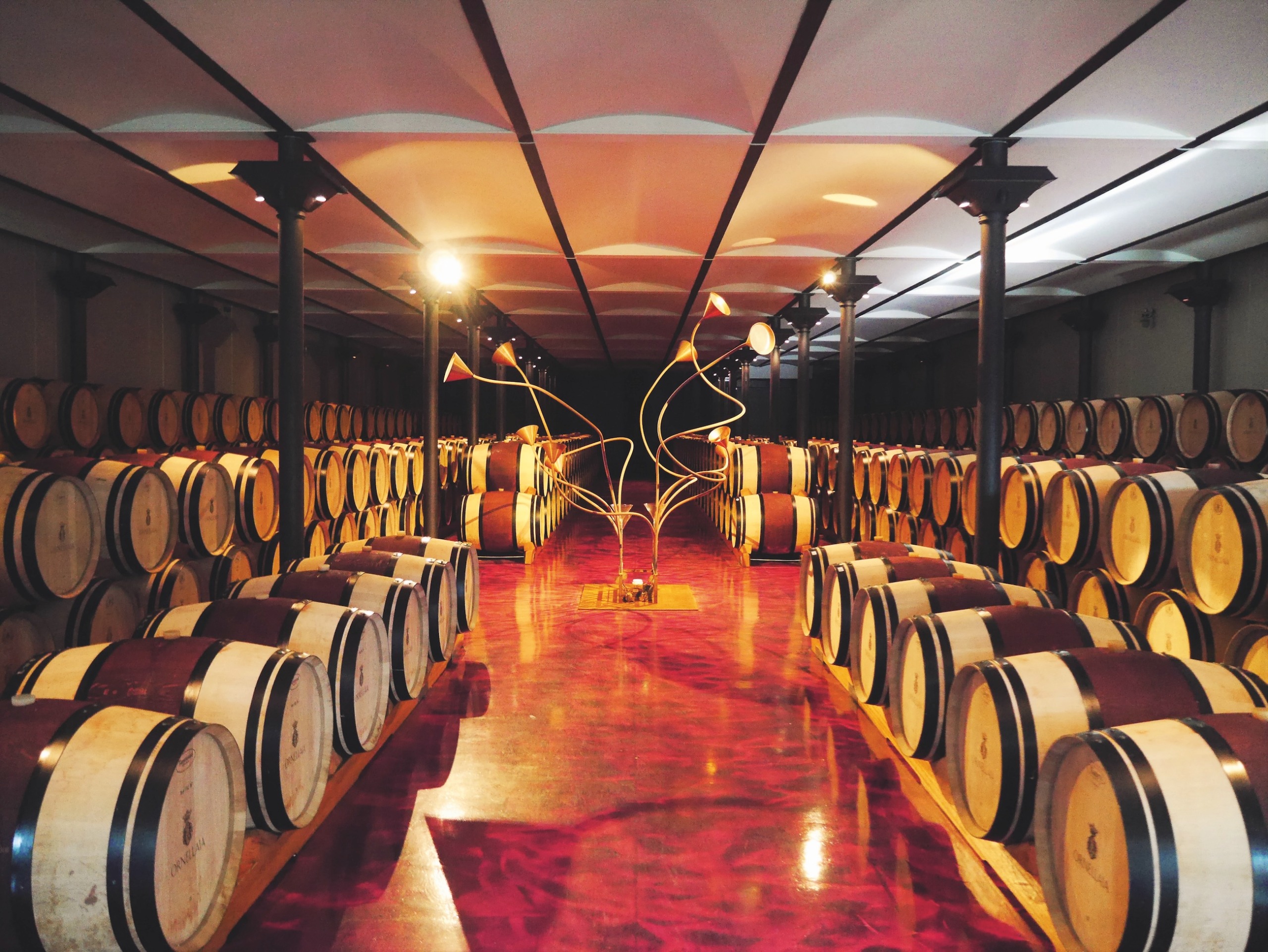
The cellars at the Ornellaia winery in Bolgheri, with the sculpture L’Energia by Rebecca Horn
(Image credit: Ornellaia)
Although less celebrated upon release than 2001 or 2004, 2006 still sparked considerable enthusiasm, with several leading critics of the day defining it as a benchmark vintage.
Still, it fell short of a ‘classic’ season. A cold winter delayed bud break, then a warmer than average spring accelerated vegetative growth.
Get our daily fine wine reviews, latest wine ratings, news and travel guides delivered straight to your inbox.
A hot, dry midsummer raised concerns over hydric stress, while an erratic August brought frequent showers – particularly in northern Italy – and a temperature drop that temporarily slowed ripening.
A mixed September followed, with some areas of Italy experiencing a prolonged ‘Indian summer’. These weather patterns anticipated the climatic challenges that would become increasingly common in the decade to follow.
Success in 2006 relied on proactive choices. The lessons learned during the scorching 2003 vintage proved valuable, as wineries applied a stricter grape selection than they would have done in the past.
‘That was essential to avoid both greenness and overripeness in 2006 – which stemmed less from peak temperatures than from elevated nighttime lows,’ explains Carlo Paoli, technical director at Tenuta San Guido in Tuscany.
Sassicaia in particular is an outlier in this vintage, characterised by vibrancy while other notable Bordeaux blends – including Frescobaldi-owned Ornellaia – sport a fleshier profile, though often with surprising balance.
As for Sangiovese-based wines, Montalcino wineries returned to a more classical style following the infamous so-called ‘Brunellopoli’ scandal that came to light in 2008, in which several wineries were found to have illicitly blended international varieties into their Brunello di Montalcino (required by regulation to be 100% Sangiovese).
Contemporary reports noted that the wines would require time to shed some of their tannic grip, but today those tannins have softened while the fruit and acidity remain intact.
2006 Brunello from the northern sector – cooler and less celebrated then than it is now – particularly shines. In the rest of central Italy, bold, inky wines still enjoyed considerable momentum.
Montefalco Sagrantino benefited from optimal late-season weather, yielding impressive, ageworthy expressions such as Arnaldo Caprai’s 25 Anni.
In the south, Aglianico fared particularly well, as evidenced by benchmark producers such as Perillo, who released a special 2006 Riserva Taurasi.
A mixed message up north

(Image credit: Marchesi di Barolo)
Further north, in Piedmont, the 2006s are a little more uneven – and also quite elusive.
‘Not only due to the growing season but also because many producers declassified part of the production to cope with the 2008 [economic] crisis’, explains Andrea Marchetti, co-owner of Marcarini.
Opinions of the 2006 vintage and its wines varied considerably: Roberto Conterno deemed it outstanding, releasing a highly coveted Barolo Monfortino Riserva, while Bruno Giacosa skipped it entirely, unconvinced by the results.
As in Montalcino, cooler or clay-rich sites generally performed better, giving fully integrated expressions of Nebbiolo that are still far from full maturity even now.
The same holds true for Alto Piemonte: ‘It was a rather warm vintage in Gattinara and a milder one with copious rainfall in Ghemme,’ says Mattia Donna (pictured, opposite), head winemaker at Torraccia del Piantavigna.
‘While everyone preferred the wines from Gattinara early on, Ghemme performed better in the long run.’
In Valpolicella, in the Veneto region, mild temperatures and moderate rainfall through November and December favoured flawless appassimento – the process of partially drying grapes after harvest over a period of months, in order to concentrate the flavours.
At a time when many wineries were still pushing ripeness to the extreme, the best examples resist that temptation, such as Tedeschi’s gently mature entry-level Amarone, and a surprising La Fabriseria Valpolicella Classico Superiore, which demonstrates that appassimento isn’t obligatory to achieve longevity.
Even the remaining bottles of white wine from this era surprise today. La Colombera’s stunning Timorasso is testament to the variety’s potential even before its recent surge in popularity.
2016: Reaching the pinnacle
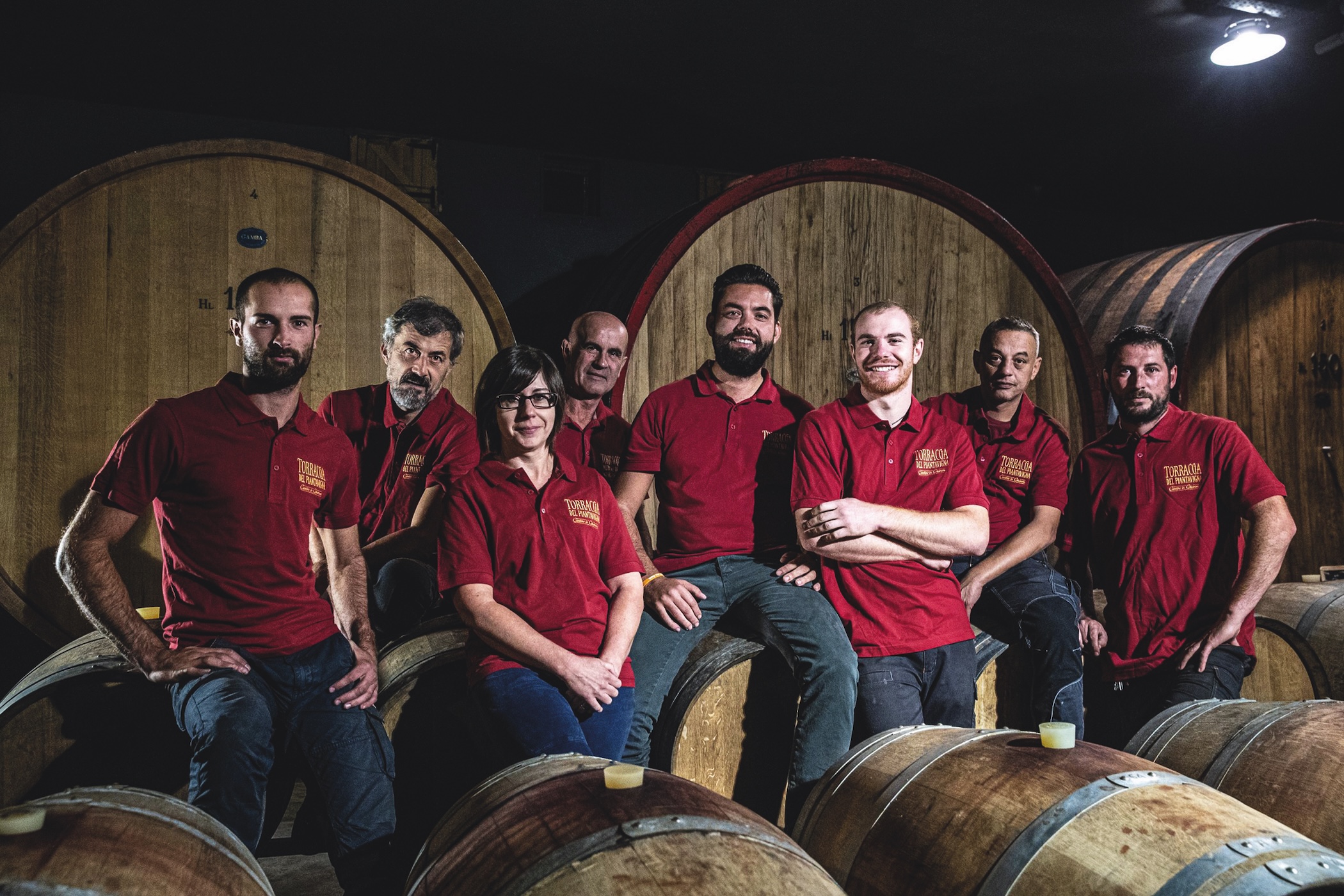
Mattia Donna (fourth from right) with the winemaking team at Torraccia del Piantavigna in Alto Piemonte
(Image credit: Torraccia del Piantavigna)
The 2016 vintage possesses a superior pedigree to 2006. It stands as the pinnacle of its decade, outshining the warmer and much-loved 2015 and rivalling the legendary 2010.
Crucially, where 2010 relied on individual achievement, 2016 impresses for its remarkable overall consistency.
A textbook season began with a relatively cold winter, followed in most areas by a mild spring with significant but not excessive rain showers.
Summer brought above-average temperatures and dry conditions, but without extreme heat spikes as seen in more recent years. Most importantly, noteworthy day-night temperature swings in September favoured an extended ripening period yielding perfectly balanced fruit.
Ultimately, 2016 turned out to be one of the last classic seasons before a full decade defined by climatic extremes.
Tuscany’s 2016 reds are highly coveted. In Bolgheri, Sassicaia stood out in a homogenous lineup, earning unanimous critical acclaim.
Now starting to open up after a silent phase it still demands time, while Ornellaia from the same vintage proves more accessible.
For Sangiovese, 2016 emphasised the grape’s inherent vibrancy, with less austerity than in past top vintages.
Chianti Classico and Brunello di Montalcino from the latter appellation’s northern sector remain more backward than wines from warmer areas; excellent tannin integration is the common thread across Tuscan Sangiovese in this vintage.
Most wines are approachable now, yet lifted acidity ensures a long trajectory ahead. In Piedmont, low pH levels resulted in protracted fermentations [higher acidity levels can inhibit yeast activity and lead to ‘stuck fermentation’], risking high levels of volatile acidity but also yielding uncanny complexity where well managed.
The wines jump out of the glass but vary significantly in texture: Barolo and Barbaresco from sandier and warmer, earlier-ripening sites are already seamless, while examples from areas with higher proportions of clay – most notably Serralunga d’Alba – require additional time in the bottle to soften.
Personal favourites in this vintage include GB Burlotto’s Barolo Monvigliero and Giovanni Rosso’s Vigna Rionda Barolo Ester Canale Rosso, yet 2016 also offers several lower-key options, including a gorgeous La Serra by Marcarini, blending immediacy and long-running tension.
Set for the challenge
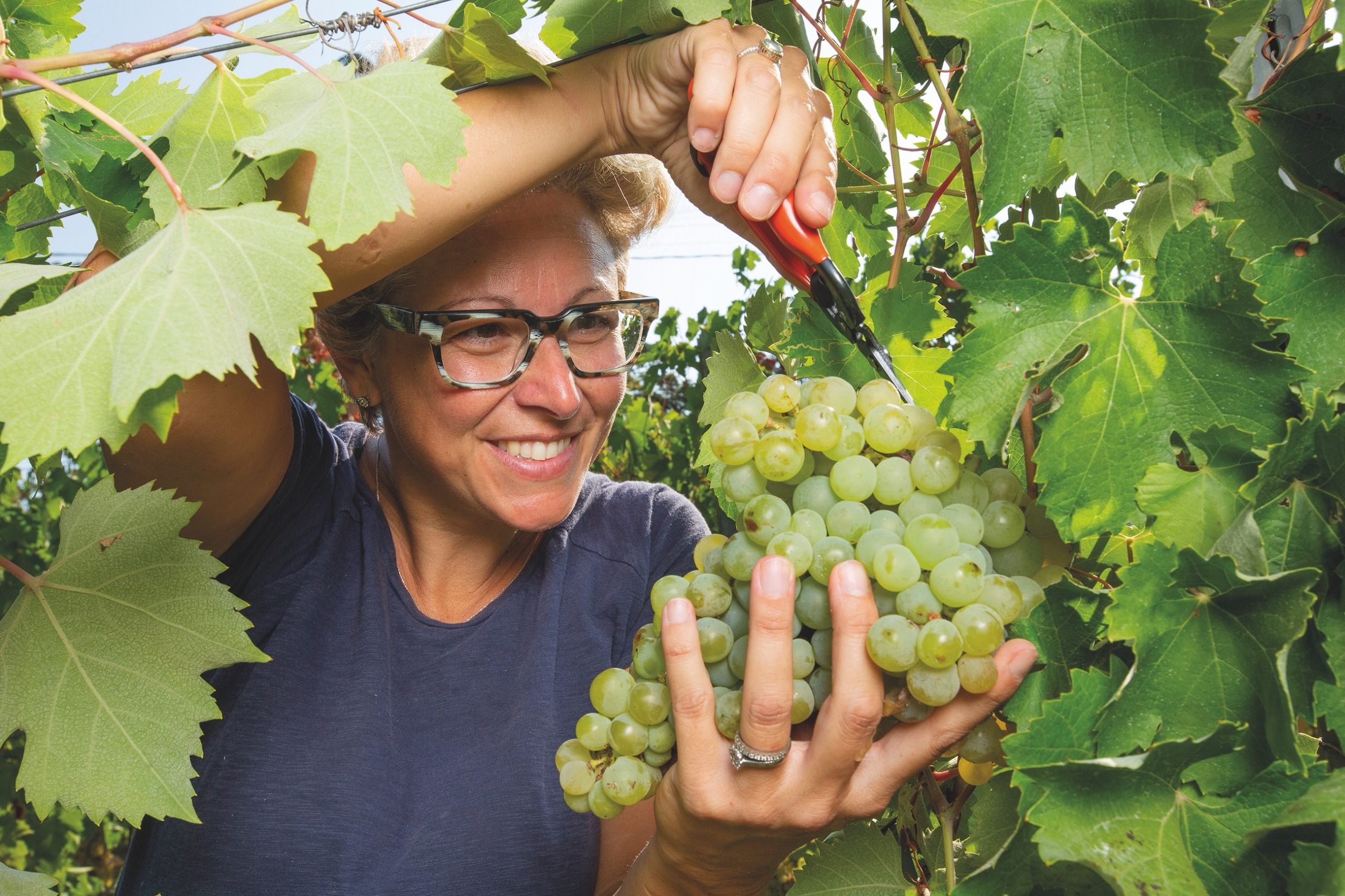
Elisa Semino, co-owner and winemaker at La Colombera in eastern Piedmont, harvesting ripe Timorasso grapes
(Image credit: La Colombera)
When tasting beyond the most coveted appellations, the evolutionary shift from 2006 to 2016 becomes even more evident.
‘What really improved over the last 10 years is producers’ capability of managing macerations to achieve more polished tannins,’ suggests Donna, while pouring a pure, silky Vigna Pellizzane Ghemme 2016.
This greater finesse is also demonstrated in Arnaldo Caprai’s 25 Anni Montefalco Sagrantino 2016 – assisted from 2015 by the late winemaking consultant Michel Rolland.
And what about southern Italian reds? For those appreciating classically structured wines, 2016 Aglianico and Primitivo prove solid, but they were outperformed by Etna Rosso, which had gained the edge in terms of prestige by this point.
Etna 2016s were highly praised upon release, although the wines are currently in an awkward phase, the fruit slightly dulled while the acidity and tannins remain mighty. Only more time will tell if they’ll return to balance.
There are also many compelling white wines in 2016 that reflect these remarkable qualitative improvements, shining for their mineral complexity and even a touch of kerosene in their development: Cortese, Nascetta, Verdicchio, Vernaccia di San Gimignano, Fiano and Carricante all show these hallmark features.
Some of the biggest surprises in 2016 come from cooler, off-the-radar sites. For instance, Valle Reale’s Popoli vineyard, at about 350m among the mountains of Abruzzo, yielded a stunning Montepulciano showing a modest 12.5% alcohol but with enough complexity for long-term performance.
Looking ahead, it is precisely these cooler microclimates in Italy – along with a restrained approach to winemaking – that will be required to defy heat-related challenges.
2006 and 2016 compared, north to south
Wines are listed 2006 first, then 2016
Related articles
Dining and Cooking