
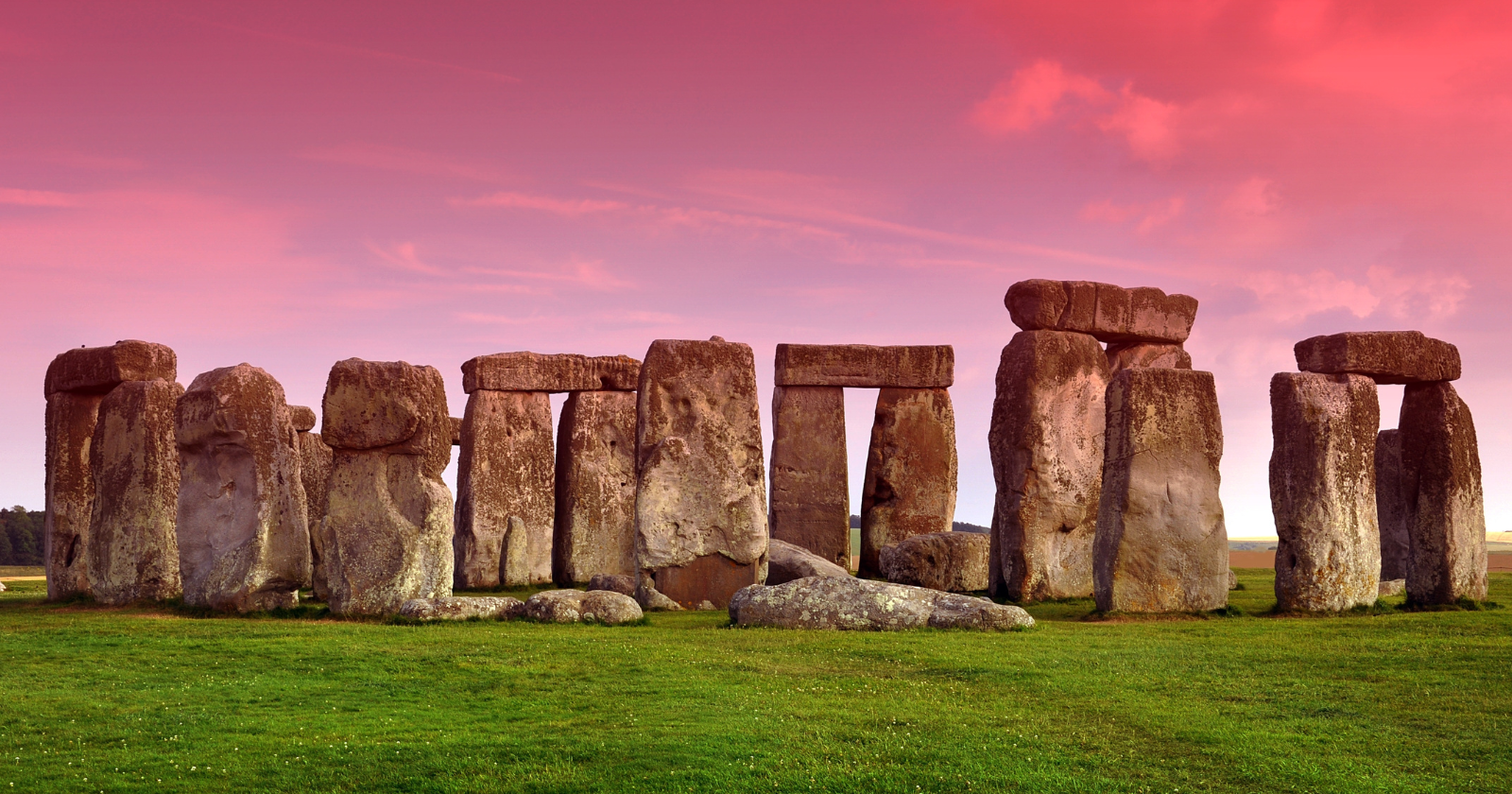
In 1915, a barrister named Cecil Chubb went to an auction in Salisbury and came home as the owner of Stonehenge. The story goes that his wife had sent him to buy some dining chairs.
Three years later, he gave the stones away to the nation. Ever since, a story has been told that he made one generous condition: local people should never have to pay to visit. Today, thousands of residents do get in free. But the real reason is a little different from the legend.
The impulse buy
Stonehenge had been privately owned for centuries. In 1915, after the heir to the Antrobus family estate was killed early in the First World War, the family put their land up for auction, with Stonehenge listed as Lot 15.
Cecil Chubb, a barrister born in the nearby village of Shrewton, placed the winning bid of £6,600, roughly half a million pounds today. He later said he felt a local man ought to buy it.
The gift to the nation
On October 26, 1918, just over two weeks before the end of the war, Chubb and his wife Mary signed a deed of gift handing Stonehenge to the nation. In return, he was made a baronet the following year, and locals nicknamed him “Viscount Stonehenge.”
The deed came with conditions. The most important was that the public should have access to the stones on paying no more than one shilling per visit. It also set out how the monument and its surroundings should be protected.
The shilling limit
A shilling was a modest sum in 1918, worth roughly £3 to £4 in today’s money. The cap was meant to keep Stonehenge affordable for ordinary people.
That condition didn’t survive the decades. Entry fees stayed low for many years but eventually rose, and an adult ticket now costs more than £20 when booked in advance. Some campaigners, including local druid groups, argue that this goes against the spirit of Chubb’s gift.
Where free entry for locals really came from
What about the famous promise of free access for locals? According to historians who have studied the deed, it isn’t in it.
Instead, it came from a later deal. In 1921, the government wanted to move public rights of way that ran close to the stones. In return, it agreed that people living in the local area, around Amesbury and the parish of Netheravon, would be granted free admission. Over time, that agreement and Chubb’s gift became merged in popular memory.
Free entry today
The 1921 agreement still shapes things today. English Heritage, which looks after Stonehenge, offers a Local Residents Pass that gives free entry to people living in eligible nearby areas. Roughly 30,000 people are entitled to it.
Some locals feel the definition of “local” has narrowed over time, and the pass now comes with rules and booking requirements. But the principle that nearby residents can visit for free has lasted more than a century.
Visiting Stonehenge
Stonehenge is about 10 miles north of Salisbury in Wiltshire. Tickets should be booked in advance, especially in summer. If you live in one of the eligible local areas, you can apply for the free pass through English Heritage.
For the summer and winter solstices, English Heritage usually opens the stones for free “managed open access,” when visitors can walk among them at sunrise.
Dining and Cooking