

Billy F Blume Jr/Shutterstock
For many Gen Xers, early drinking memories likely feature one brightly colored, intensely sweet drink type in particular: wine coolers. These bottled beverages — which typically contained inexpensive wine mixed with fruit juice or fizz and carried flavor names like “Strawberry Daiquiri” and “Purple Passion” — had their heyday in the late 1980s. But by the time millennials and older Gen Zers had their first dalliances with booze a couple of decades later, drinks like Angry Orchard, Twisted Tea, and Smirnoff Ice had completely replaced wine coolers as the over-the-top libations of choice. A few years ago, wine coolers began reappearing prominently on store shelves, alongside popular alcoholic options of the day, like White Claw and High Noon hard seltzers. How did this comeback happen? And why did wine coolers go so quiet between then and now?
The wine cooler resurgence is documented: According to a 2025 report by global drinking data provider IWSR, wine spritzers and coolers accounted for 7% of new ready-to-drink product launches across the category’s 10 largest markets in 2024, up from 4% in 2021. Today’s best-selling wine-based beverages include design-forward brands like Ramona, Wilbur Wines, and La Lata, as well as more get-you-drunk products like BeatBox and BuzzBallz. But to understand how these beverages reemerged, we first need to look back 40-or-so years at the first wine cooler boom, as well as its untimely demise.
From West Coast beaches to a U.S. tax hike: the early rise and fall of wine coolers

Melissa Blair/Shutterstock
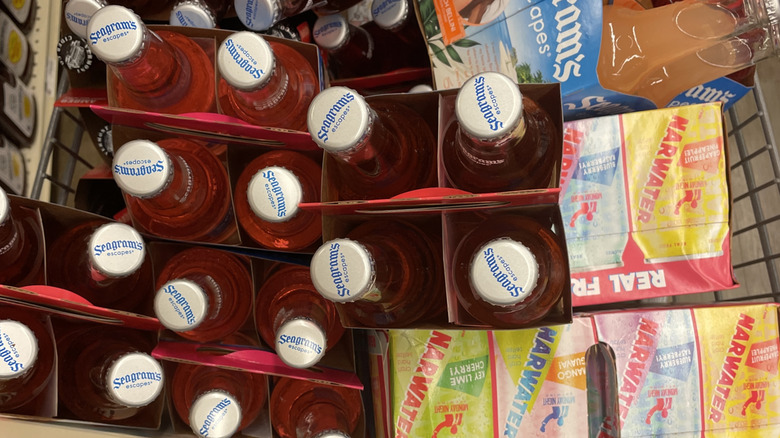
The onset of the wine cooler era is credited to Michael Crete and Stuart Bewley, who would mix white wine with fruit and soda water on beach days in Santa Cruz. They began bottling the concoction in 1981 under the name California Cooler, marketed as an affordable beer alternative for laid-back sun-lovers. Consumers loved it. By the mid-1980s, Crete and Bewley were churning out over 12 million cases annually. Other producers jumped in, and names like Bartles & Jaymes and Seagram’s were soon in refrigerators across the country. U.S. wine cooler shipments grew fifteenfold in three years, from 8 million gallons in 1983 to 120 million in 1986.
Then, in 1991, the U.S. increased the tax on wine from 17 cents to $1.07 per gallon. This tax spelled the end for wine coolers, long marketed as an affordable drink (though an affordability that relied on cheap ingredients). Many producers soon put wine on the back burner and prioritized malt-based coolers instead, which were cheaper to make (enter: Coors’ once-iconic Zima). This paved the way for other bottled and canned drinks like Smirnoff Ice and Mike’s Hard Lemonade.
Although wine coolers weren’t high on the menu for millennials and early Gen Zers, that doesn’t mean these generations weren’t familiar with them. Marketing for wine coolers was so effective in the ’80s that they became all but synonymous with easy drinking of the MTV era, a reputation that echoed, albeit often ironically, through the ensuing decades. This nostalgia helped set the scene for a renaissance.
Today, a new economic and cultural moment for wine coolers

Colleen Michaels/Shutterstock
In 2016, sommelier Jordan Salcito drew on the ’80s to launch Ramona, a line of organic canned wine spritzes with the tagline “It’s wine, but cooler.” Three years later, Bartles & Jaymes wine coolers returned to shelves, now in cans. A California team, Wilbur Wines, sells blackberry and citrus coolers, a project they call “the reboot nobody asked for.”
Except it appears today’s market does ask for ready-made cocktails: In 2025, NielsenIQ reported that sales of ready-to-serve alcoholic beverages made up 12.5% of its tracked sales, with sales of wine-based beverages specifically up 14%. This might be partially explained by Americans’ growing fatigue with booze prices — 31% of U.S. drinkers cited cost as a reason for drinking less. While extra tax on wine once made sales of easy-drinking coolers untenable, today’s economy has drinkers nostalgic for anything reminiscent of affordability. As one Reddit user wrote, “We are all used to paying $14 now for a four-pack of beers, so really inflation saved the wine cooler.”
But while new wine coolers capitalize on throwback marketing, they bear little resemblance to the electrically sweet beverages of the ’80s. Packaged in artisanal cans that look particularly nice in a manicured hand, these products appear designed with Instagrammable aesthetics in mind. A can of Pampelonne’s “Blood Orange Spritz” looks more at home at a farmers market than at a wild beach party. Nonetheless, it’s a trend seemingly summoned by a culture tired of $20 Negronis and ready for a front-porch afternoon buzz. And for that, it’s a welcome revival.
Dining and Cooking